

From Design to Deployment: The Comprehensive Journey of Project Solar Street Lights
Release time:
Oct 20,2026
From Design to Deployment: The Comprehensive Journey of Project Solar Street Lights Table of Contents Introduction to Solar Street Lights The Benefits of Solar Street Lights The Design Phase: Crafting an Effective Solution Key Components of Solar Street Lights The Installation Process: From Planning to Execution Ongoing Maintenance and Support Case Studies: Successful
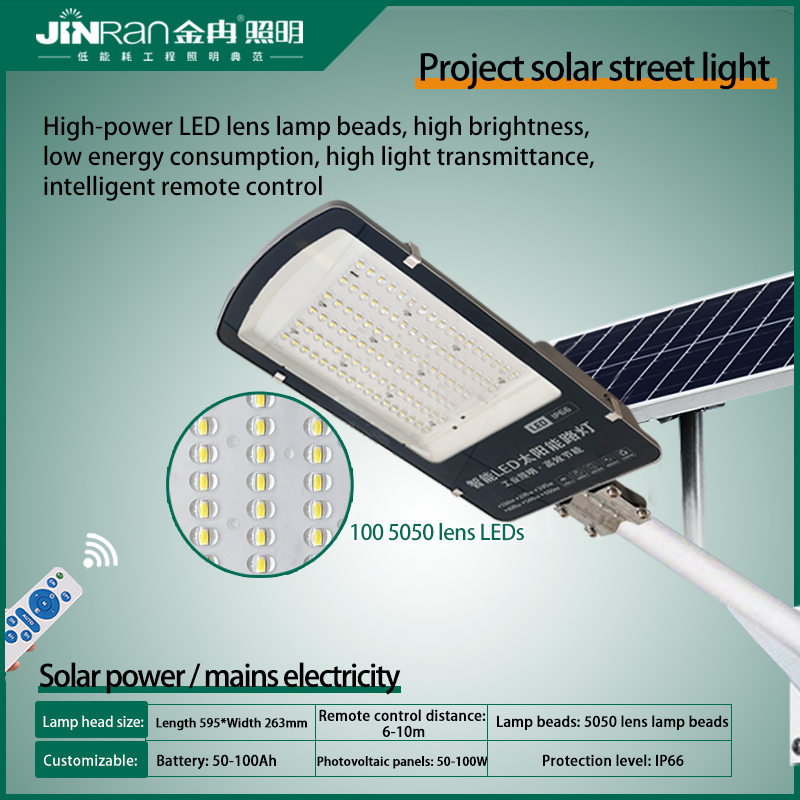
From Design to Deployment: The Comprehensive Journey of Project Solar Street Lights
Table of Contents
- Introduction to Solar Street Lights
- The Benefits of Solar Street Lights
- The Design Phase: Crafting an Effective Solution
- Key Components of Solar Street Lights
- The Installation Process: From Planning to Execution
- Ongoing Maintenance and Support
- Case Studies: Successful Solar Street Light Projects
- The Future of Solar Street Lighting Technology
- Frequently Asked Questions
- Conclusion
Introduction to Solar Street Lights
Solar street lights are a transformative solution for urban and rural illumination challenges, harnessing the power of the sun to light our streets and pathways. This innovative technology eliminates the need for traditional grid connections, reducing energy costs and environmental impact. As cities strive for sustainability, solar street lights emerge as an essential component of smart city initiatives, enhancing safety and visibility while promoting renewable energy sources.
The Benefits of Solar Street Lights
Solar street lights offer numerous advantages over conventional lighting systems:
1. Energy Efficiency and Cost Savings
Solar street lights operate on solar panels, converting sunlight into electricity. This energy independence significantly lowers electricity bills and maintenance costs, as they often require minimal upkeep.
2. Environmental Impact
By utilizing renewable energy, solar street lights contribute to reducing carbon footprints. They help mitigate the effects of climate change, providing an eco-friendly alternative to fossil-fuel-powered lighting solutions.
3. Enhanced Safety and Security
Well-lit streets deter criminal activities and enhance pedestrian safety. Solar street lights can be strategically placed in high-traffic areas to improve visibility and ensure safe navigation during nighttime hours.
4. Quick Installation
The installation of solar street lights is often less complex than traditional systems since they do not require trenching or extensive electrical infrastructure. This feature allows for quicker deployment in various settings.
5. Design Flexibility
Solar street lights come in various designs and sizes, allowing for customization based on specific project needs. They can be integrated with smart technology, such as motion sensors and dimming capabilities, to optimize energy use.
The Design Phase: Crafting an Effective Solution
The design phase of a solar street light project is critical in ensuring efficacy, efficiency, and aesthetic appeal.
1. Assessing Project Requirements
Understanding the specific needs of the area is the first step in the design phase. Stakeholders should consider factors such as:
- Geographic location and solar availability
- Urban density and lighting requirements
- Local regulations and aesthetic preferences
2. Selecting the Right Technology
Choosing appropriate technology is essential. This includes selecting solar panels, batteries, and lighting fixtures that meet the demand of the application while ensuring longevity and durability.
3. Energy Calculations
Accurate energy calculations are vital to determine the number of solar panels and batteries required for optimal performance. Factors such as average sunlight hours, wattage of lights, and battery storage capacity should be meticulously evaluated.
Key Components of Solar Street Lights
Understanding the key components of solar street lights is crucial for successful project execution.
1. Solar Panels
Solar panels capture sunlight and convert it into electrical energy. The efficiency of the panels influences the total energy output and should be chosen based on local sunlight conditions.
2. Batteries
Batteries store energy for nighttime use. Lithium-ion batteries are often preferred due to their efficiency and longevity compared to traditional lead-acid batteries.
3. LED Fixtures
LED lights are favored for their energy efficiency and long lifespan. Innovations in LED technology continue to improve brightness while reducing energy consumption.
4. Control Systems
Smart control systems manage the operation of solar street lights, incorporating features like motion sensors, dimming, and remote monitoring capabilities.
The Installation Process: From Planning to Execution
The installation process for solar street lights involves several critical steps:
1. Site Survey
Conducting a comprehensive site survey is essential to identify optimal locations for solar street lights. Factors such as existing infrastructure, potential obstructions, and accessibility for maintenance should be evaluated.
2. Preparing the Site
Preparing the site may involve minimal excavation for pole installation. Ensuring the site is clean and accessible is crucial for a seamless installation process.
3. Installation of Components
Once the site is prepared, installers will set up the poles, solar panels, batteries, and lighting fixtures. Ensuring all components are securely attached and properly positioned is essential for optimal performance.
4. Testing and Commissioning
After installation, thorough testing ensures that all systems are functioning correctly. This includes checking the solar panels' alignment, battery performance, and LED brightness.
Ongoing Maintenance and Support
Maintaining solar street lights is straightforward, yet essential for long-term performance.
1. Regular Inspections
Regular inspections should be conducted to ensure all components are functioning correctly. This includes checking for debris on solar panels and ensuring the cleanliness of LED fixtures.
2. Battery Maintenance
Monitoring battery health is vital for ensuring energy storage capabilities. Any signs of battery failure should be addressed immediately to prevent system downtime.
3. Upgrading Technology
Technological advancements in solar and lighting technology suggest that periodic upgrades can enhance performance and efficiency.
Case Studies: Successful Solar Street Light Projects
Several cities around the globe have successfully implemented solar street light projects, showcasing the benefits and impact of this technology.
1. Los Angeles, California
Los Angeles has deployed solar street lights in various neighborhoods, significantly reducing energy costs and enhancing safety. The initiative has improved nighttime visibility and decreased crime rates in targeted areas.
2. Nairobi, Kenya
Nairobi's solar street light project has illuminated numerous streets in underserved areas, promoting safety and community engagement. This initiative has attracted further investments in renewable energy solutions.
3. Dubai, UAE
Dubai's commitment to sustainability includes a vast solar street lighting program that enhances roadway safety while reducing energy consumption.
The Future of Solar Street Lighting Technology
The future of solar street lighting is promising, with advancements in technology paving the way for smarter, more efficient solutions.
1. Integration with Smart City Technologies
As cities transition to smart technology, integrating solar street lights with IoT devices will enhance functionality, allowing for real-time monitoring and data analysis.
2. Enhanced Energy Storage Solutions
Innovative developments in battery technology will lead to improved energy storage systems, enabling solar street lights to operate effectively even in low sunlight conditions.
3. Eco-Friendly Manufacturing
The future of solar street lights will also see an emphasis on sustainable manufacturing practices, further reducing their environmental impact.
Frequently Asked Questions
1. How long do solar street lights last?
Typically, solar street lights can last 5 to 10 years, depending on their components and maintenance practices.
2. What happens to solar street lights during cloudy weather?
Solar street lights are designed to store energy in batteries, allowing them to operate during cloudy days and at night.
3. Are solar street lights bright enough for urban areas?
Yes, modern solar street lights use high-efficiency LED technology, providing adequate brightness for urban environments.
4. Can solar street lights be installed in remote areas?
Absolutely, solar street lights are ideal for remote areas where traditional electricity is not feasible.
5. What maintenance do solar street lights require?
Maintenance primarily involves regular inspections, cleaning of solar panels, and battery checks to ensure optimal performance.
Conclusion
The journey from design to deployment of solar street lights is marked by innovation and sustainability. By embracing solar technology, cities can significantly enhance public safety, reduce energy costs, and contribute to a greener future. As technology evolves, the potential for solar street lights will only grow, paving the way for smarter, more efficient urban environments. Investing in solar street light projects is not just a step towards modernizing our infrastructure but also a commitment to our planet's well-being.
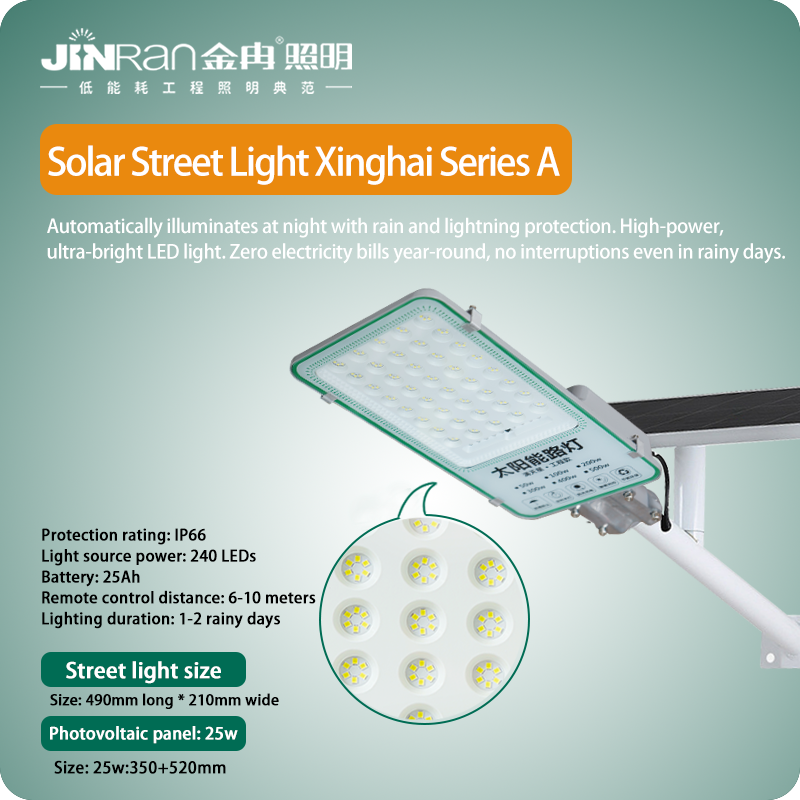


Contact Jinran
Phone:+86-13793941613
E-Mail:jinranzhaoming@gmail.com
Address:Linyi Hardware City, Jiuqu Street, Hedong District, Linyi City, Shandong Province
Get a Quote