

Project Solar Street Lights: A Comprehensive Guide to Selecting the Ideal Model for Your Location
Release time:
Oct 08,2026
Project Solar Street Lights: A Comprehensive Guide to Selecting the Ideal Model for Your Location Table of Contents 1. Introduction to Solar Street Lighting 2. Benefits of Solar Street Lights 3. Key Factors to Consider When Choosing Solar Street Lights 3.1. Analyzing Your Location 3.2. Understanding Your Lighting Requirements 3.3. Solar Ene
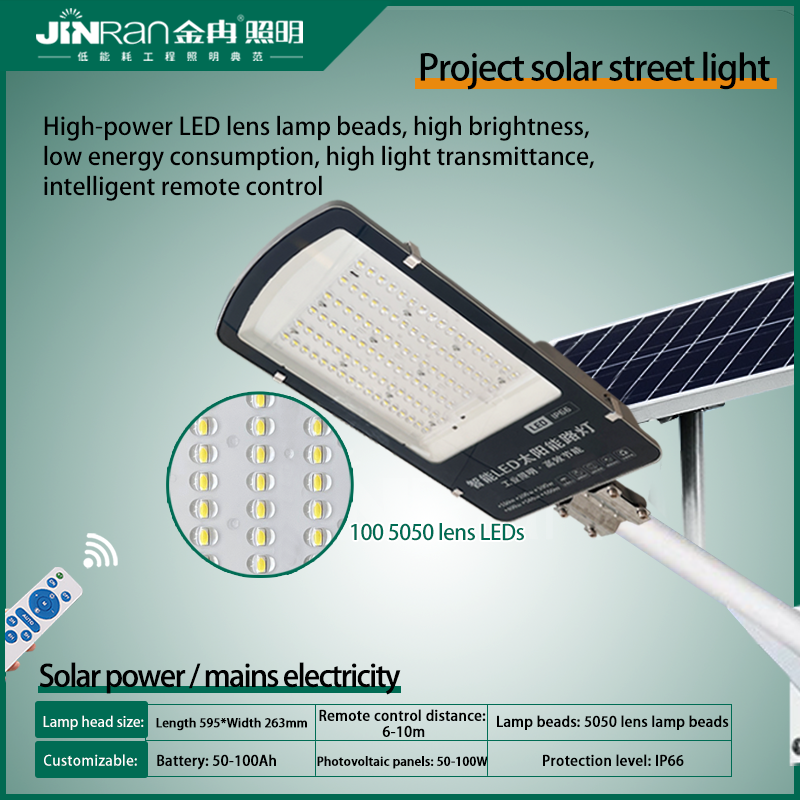
Project Solar Street Lights: A Comprehensive Guide to Selecting the Ideal Model for Your Location
Table of Contents
- 1. Introduction to Solar Street Lighting
- 2. Benefits of Solar Street Lights
- 3. Key Factors to Consider When Choosing Solar Street Lights
- 3.1. Analyzing Your Location
- 3.2. Understanding Your Lighting Requirements
- 3.3. Solar Energy Considerations
- 4. Types of Solar Street Lights
- 5. Key Features to Look For
- 6. Installation Considerations for Solar Street Lights
- 7. Cost Analysis: Initial and Long-Term Investments
- 8. Frequently Asked Questions (FAQs)
- 9. Conclusion
1. Introduction to Solar Street Lighting
As urban areas continue to expand, the demand for efficient and sustainable lighting solutions becomes increasingly pressing. **Solar street lights** have emerged as a practical and eco-friendly alternative to traditional street lighting systems. This guide aims to provide a comprehensive understanding of **project solar street lights**, helping you make informed decisions based on your unique needs and circumstances.
2. Benefits of Solar Street Lights
Solar street lights offer numerous advantages that make them an attractive choice for municipalities, businesses, and homeowners alike:
2.1. Environmental Impact
By utilizing renewable solar energy, solar street lights significantly reduce carbon footprints. They help combat climate change while promoting sustainability in urban planning.
2.2. Energy Efficiency
Solar street lights operate independently of the electrical grid, which means they do not contribute to energy consumption from fossil fuels. This leads to lower operational costs in the long run.
2.3. Low Maintenance Requirements
Once installed, solar street lights require minimal maintenance. Their components are designed to withstand harsh environmental conditions, reducing the frequency and cost of upkeep.
2.4. Flexible Installation
Solar street lights can be installed in remote areas where the electrical grid is unavailable, making them versatile for various locations and applications.
3. Key Factors to Consider When Choosing Solar Street Lights
Selecting the right solar street light model involves several crucial considerations tailored to your specific location and needs.
3.1. Analyzing Your Location
The geographical and climatic conditions of your area significantly influence the effectiveness of solar street lights. Factors to evaluate include:
- **Sunlight Hours**: Assess the average daily sunlight hours. Areas with consistent sunlight will achieve better performance.
- **Weather Patterns**: Consider seasonal variations, including rain and snow, which may impact solar energy generation.
3.2. Understanding Your Lighting Requirements
Determine the level of lighting needed based on the purpose of the installation. Different applications may require varying brightness levels, ranging from residential streets to commercial parking lots.
- **Lumens**: Evaluate the lumen output needed for adequate illumination. Generally, residential areas require around 300-800 lumens, while commercial spaces may need upwards of 1,500 lumens.
3.3. Solar Energy Considerations
Understanding solar energy components is vital for maximizing the efficiency of your solar street lights:
- **Solar Panels**: Look for high-efficiency panels that can generate sufficient power even in less-than-ideal sunlight conditions.
- **Battery Capacity**: A larger battery capacity will ensure that the lights operate effectively even during periods of low sunlight.
4. Types of Solar Street Lights
When selecting solar street lights, it's essential to understand the two primary types available: integrated and separate models.
4.1. Integrated Solar Street Lights
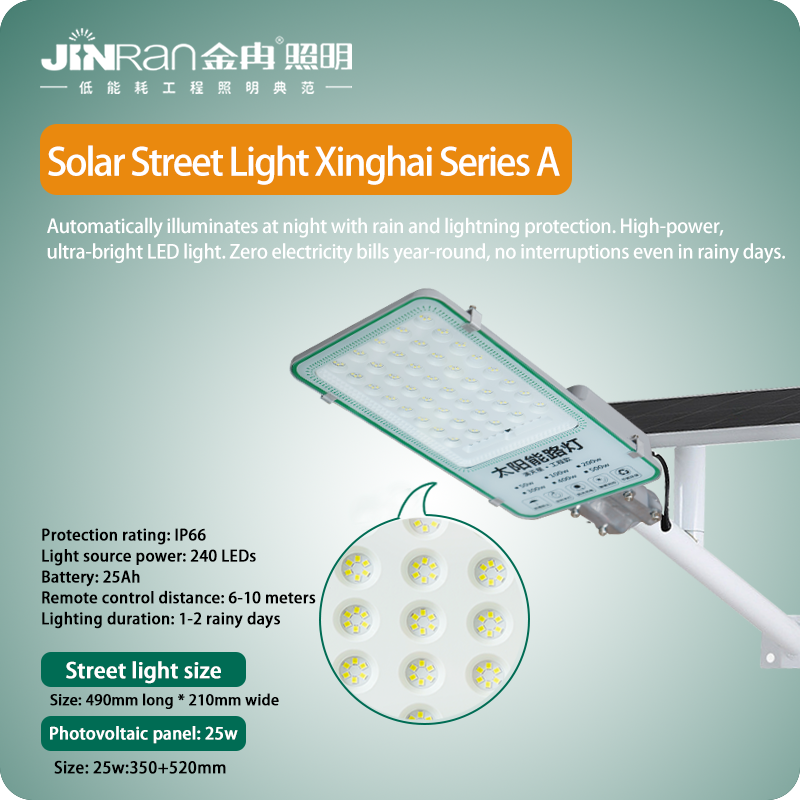
Integrated solar street lights combine all essential components—solar panel, battery, and LED light—into one compact unit. These models are easy to install and often come with advanced features like motion sensors and programmable lighting schedules.
4.2. Separate Solar Street Lights
Separate solar street lights have distinct components, allowing for greater flexibility in installation. The solar panel can be placed for optimal sunlight exposure, while the light fixture can be positioned for maximum illumination coverage.
5. Key Features to Look For
When selecting the ideal solar street light model, consider the following features that enhance functionality:
- **Motion Sensors**: These sensors can conserve energy by dimming lights when no movement is detected, significantly extending battery life.
- **Adjustable Brightness**: Look for models that offer adjustable brightness settings to accommodate different needs throughout the night.
- **Remote Control**: Some solar street lights come with remote control options, allowing users to adjust settings as needed.
6. Installation Considerations for Solar Street Lights
Proper installation is crucial for maximizing the performance of solar street lights. Consider the following guidelines:
- **Optimal Height**: Install lights at the recommended height—typically between 10 to 15 feet—to achieve the best illumination coverage.
- **Avoiding Obstructions**: Ensure that solar panels are free from shading by trees, buildings, or other structures to maximize energy absorption.
- **Local Regulations**: Research and comply with local zoning laws and regulations governing street lighting installations.
7. Cost Analysis: Initial and Long-Term Investments
While the initial investment for solar street lights may seem higher than traditional lighting systems, it’s essential to consider long-term savings:
- **Initial Costs**: Evaluate the upfront costs, including purchase, installation, and any additional components (like poles and mounts).
- **Operating Costs**: Factor in savings on electricity bills and reduced maintenance over the lifespan of the system, which can exceed 25 years.
8. Frequently Asked Questions (FAQs)
What are the average costs of solar street lights?
The average costs can range from a few hundred to several thousand dollars, depending on the model’s features and specifications.
How long do solar street lights last?
High-quality solar street lights can last between 15 to 25 years, with proper maintenance.
Do solar street lights work in cloudy weather?
Yes, solar street lights can operate efficiently even in cloudy weather, though their performance may be reduced compared to sunny days.
Can solar street lights be installed in remote locations?
Absolutely! One of the significant advantages of solar street lights is their ability to be installed in areas without access to the electrical grid.
Are solar street lights environmentally friendly?
Yes, solar street lights utilize renewable energy and contribute to reducing greenhouse gas emissions, making them a sustainable lighting solution.
9. Conclusion
In conclusion, selecting the right **solar street light model** for your area involves careful consideration of various factors, including location, lighting requirements, and energy efficiency. By understanding the benefits and features of different models, you can make informed decisions that enhance safety and sustainability in your community. Investing in solar street lights not only promotes environmental responsibility but also provides long-term financial savings and improved public safety.


Contact Jinran
Phone:+86-13793941613
E-Mail:jinranzhaoming@gmail.com
Address:Linyi Hardware City, Jiuqu Street, Hedong District, Linyi City, Shandong Province
Get a Quote