

Nano Street Lights: The Key to Sustainable Urban Growth
Release time:
Sep 18,2026
Nano Street Lights: The Key to Sustainable Urban Growth In our continuous quest to create smarter and more sustainable cities, the introduction of innovative lighting solutions has emerged as a beacon of hope. Among these, **Nano Street Lights** stand out as a revolutionary technology that not only illuminates urban landscapes but also champions sustainability. This article delves deep into the mu
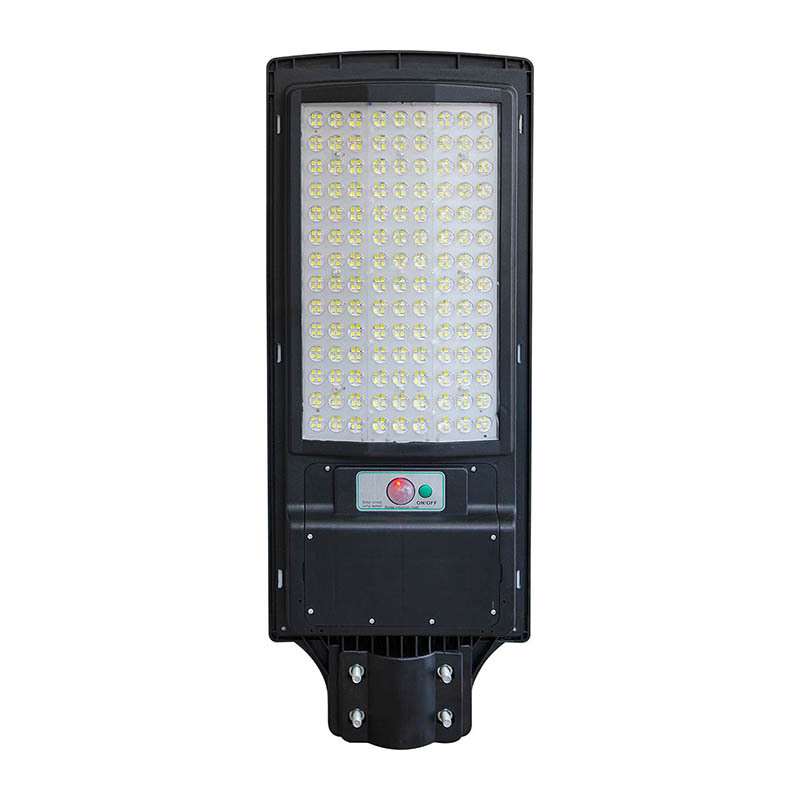
Nano Street Lights: The Key to Sustainable Urban Growth
In our continuous quest to create smarter and more sustainable cities, the introduction of innovative lighting solutions has emerged as a beacon of hope. Among these, **Nano Street Lights** stand out as a revolutionary technology that not only illuminates urban landscapes but also champions sustainability. This article delves deep into the multifaceted advantages of Nano Street Lights, their role in urban growth, and how they contribute to creating eco-friendly communities.
Table of Contents
- 1. Introduction to Nano Street Lights
- 2. What Are Nano Street Lights?
- 3. Benefits of Nano Street Lights
- 4. Applications in Urban Development
- 5. Technological Advancements in Nano Lighting
- 6. Case Studies: Cities Implementing Nano Street Lights
- 7. Challenges and Considerations
- 8. The Future of Nano Street Lights
- 9. Conclusion
1. Introduction to Nano Street Lights
The urban landscape is constantly evolving, demanding innovative solutions to meet the needs of a growing population. **Nano Street Lights** represent a cutting-edge advancement in street lighting, combining compact design with high efficiency. As cities expand, the need for effective lighting solutions that are both economical and environmentally friendly becomes paramount. This article provides an extensive overview of Nano Street Lights and their potential to drive sustainable urban growth.
2. What Are Nano Street Lights?
**Nano Street Lights** are miniature, smart lighting devices developed to optimize urban illumination. Utilizing advanced technologies such as LED and IoT (Internet of Things), these lights are not only smaller in size but also more efficient than traditional street lights. Nano Street Lights can be integrated with sensors and smart systems, allowing for real-time monitoring and adaptive lighting based on environmental conditions.
2.1 Key Features
Some of the hallmark features of Nano Street Lights include:
- Compact Design: Their smaller size allows for greater versatility in installation.
- Energy Efficiency: They consume significantly less power than conventional lighting systems.
- Smart Technology Integration: Equipped with sensors to adjust brightness and detect movement, enhancing safety and lowering energy usage.
- Durability: Often built with robust materials, they withstand harsh weather conditions and require minimal maintenance.
3. Benefits of Nano Street Lights
Nano Street Lights offer numerous advantages that contribute to sustainable urban growth. Here, we explore some of the most significant benefits.
3.1 Energy Efficiency
One of the primary advantages of Nano Street Lights is their energy efficiency. Utilizing **LED technology**, these lights consume up to 80% less energy than traditional incandescent bulbs. This not only translates to lower energy costs for municipalities but also reduces the overall carbon footprint associated with urban lighting.
3.2 Positive Environmental Impact
The environmental benefits of adopting Nano Street Lights extend beyond energy savings. Since they use less energy, they contribute to lower greenhouse gas emissions. Furthermore, many models are designed to utilize renewable energy sources, such as solar power, further minimizing their ecological impact.
3.3 Enhanced Urban Safety
Improved lighting conditions are directly linked to **increased safety** in urban environments. Nano Street Lights can be equipped with motion sensors that activate lighting when movement is detected, enhancing visibility for pedestrians and reducing crime. Smart lighting systems also allow for better illumination in high-traffic areas, making cities safer and more welcoming.
4. Applications in Urban Development
The versatility of Nano Street Lights allows for a wide range of applications in urban settings. From residential neighborhoods to commercial districts, these lights can be strategically implemented to enhance both functionality and aesthetics.
4.1 Residential Areas
In residential neighborhoods, Nano Street Lights can provide improved visibility and security, fostering a sense of community and safety among residents. Their compact design means they can be installed in various locations, including parks and sidewalks, where traditional lighting solutions might be impractical.
4.2 Commercial Districts
For commercial areas, effective lighting is essential to attract customers and enhance the shopping experience. Nano Street Lights can be tailored to create a vibrant ambiance, improving the overall aesthetic while promoting safety during nighttime hours.
4.3 Public Spaces
In public spaces such as parks and plazas, Nano Street Lights can transform the environment, encouraging evening use and community engagement. Their ability to adjust brightness based on foot traffic ensures efficient energy usage while maintaining a welcoming atmosphere.
5. Technological Advancements in Nano Lighting
The continuous evolution of technology is paving the way for even more advanced Nano Street Lights. By integrating **smart technology**, these lights can communicate with city infrastructure to optimize energy consumption and improve urban living standards.
5.1 IoT Integration
Nano Street Lights can be connected to a centralized smart city network, enabling real-time monitoring and control. This integration allows city planners to analyze lighting patterns, identify maintenance needs, and adjust settings to enhance efficiency.
5.2 Remote Management
Remote management capabilities allow city officials to control lighting systems from anywhere, enabling quick responses to changes in lighting needs or outage reporting. This feature enhances operational efficiency and reduces response times in emergencies.
6. Case Studies: Cities Implementing Nano Street Lights
Numerous cities worldwide have already begun implementing Nano Street Lights, showcasing their benefits and effectiveness in urban settings. Let’s explore a few noteworthy examples.
6.1 San Diego, California
San Diego has embraced smart lighting solutions, deploying Nano Street Lights across the city. The initiative has resulted in a significant reduction in energy costs and improved safety in public spaces, demonstrating the potential of these lights in enhancing urban living.
6.2 Amsterdam, Netherlands
In Amsterdam, the integration of Nano Street Lights with solar technology has turned the city into a leader in sustainable urban lighting. The project not only reduces energy consumption but also highlights the city’s commitment to environmental stewardship.
7. Challenges and Considerations
Despite the numerous advantages of Nano Street Lights, some challenges remain. Addressing these hurdles is essential for the successful implementation of this technology in urban settings.
7.1 Initial Investment
The upfront costs associated with installing Nano Street Lights can be significant. However, the long-term savings on energy and maintenance can offset these initial expenses, making them a worthwhile investment.
7.2 Technological Limitations
As with any emerging technology, there are limitations to the current capabilities of Nano Street Lights. Continued advancements in technology will be necessary to further enhance their efficiency and integration with existing urban infrastructure.
8. The Future of Nano Street Lights
The future of Nano Street Lights looks promising as urban areas continue to prioritize sustainability. As technology evolves, we can expect even more innovative features, including enhanced connectivity, improved energy sources, and further integration with smart city systems. These advancements will not only bolster the effectiveness of these lighting solutions but also contribute significantly to the overall growth of sustainable urban environments.
9. Conclusion
In conclusion, **Nano Street Lights** represent a vital step forward in the evolution of urban infrastructure. Their energy efficiency, environmental benefits, and adaptability make them key players in the quest for sustainable urban growth. As cities around the world begin to recognize their potential, we anticipate a future marked by brighter, safer, and more sustainable urban landscapes. Embracing this technology is not just a solution for today, but a commitment to a better tomorrow for urban communities everywhere.
Frequently Asked Questions (FAQs)
What are Nano Street Lights made of?
Nano Street Lights are typically constructed using durable materials that can withstand various weather conditions, including high-quality LEDs for efficient lighting.
How do Nano Street Lights contribute to energy savings?
They consume significantly less energy than traditional street lights and can be integrated with smart technologies to reduce energy usage further.
Are Nano Street Lights suitable for all urban environments?
Yes, their compact design and efficient lighting capabilities make them adaptable to various urban settings, including residential, commercial, and public spaces.
What is the lifespan of Nano Street Lights?
Nano Street Lights typically have a lifespan of 15 to 20 years, significantly reducing the need for frequent replacements compared to traditional lighting solutions.
How do I advocate for Nano Street Lights in my city?
You can advocate for Nano Street Lights by engaging with local government representatives, presenting case studies of successful implementations, and highlighting the potential benefits for your community.


Contact Jinran
Phone:+86-13793941613
E-Mail:jinranzhaoming@gmail.com
Address:Linyi Hardware City, Jiuqu Street, Hedong District, Linyi City, Shandong Province
Get a Quote