

Exploring the Future of Urban Illumination: The Nano Street Light
Release time:
Aug 24,2026
In recent years, the concept of Nano street lights has emerged as a pivotal advancement in urban lighting technology. Nano street lights leverage cutting-edge nanotechnology to provide efficient, sustainable, and aesthetically pleasing illumination solutions for urban environments. But what exactly sets them apart from traditional street lighting? First and foremost, Nano street lights are designe
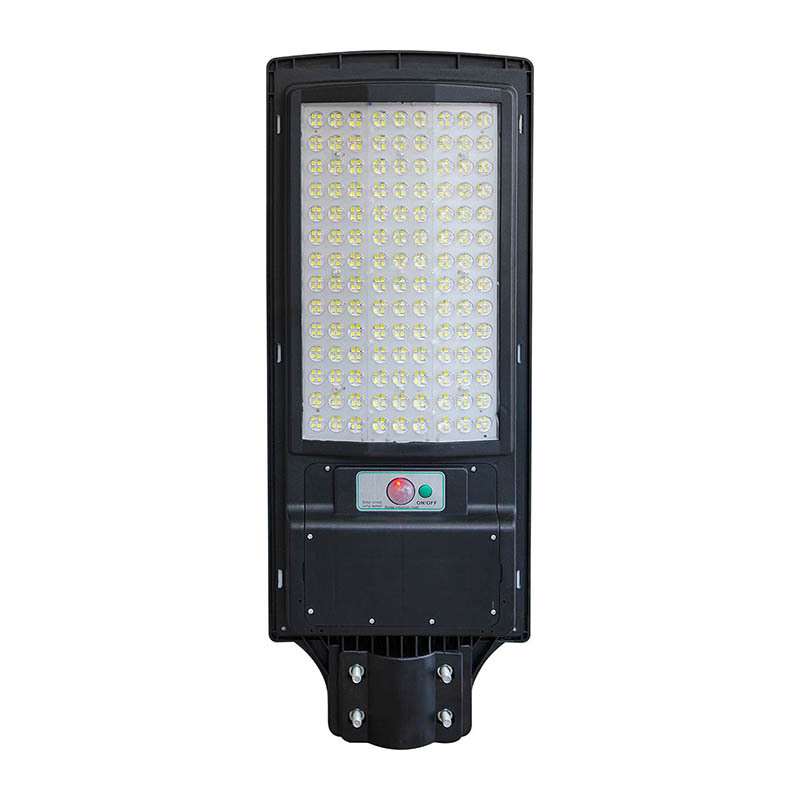
In recent years, the concept of Nano street lights has emerged as a pivotal advancement in urban lighting technology. Nano street lights leverage cutting-edge nanotechnology to provide efficient, sustainable, and aesthetically pleasing illumination solutions for urban environments. But what exactly sets them apart from traditional street lighting?
First and foremost, Nano street lights are designed to be highly energy-efficient. They employ advanced LED technology, which not only consumes less electricity but also has a significantly longer lifespan compared to conventional light bulbs. This energy efficiency translates to lower operational costs for municipalities and a reduced carbon footprint, aligning with global sustainability goals. Additionally, the compact design of Nano street lights allows for more precise light distribution, minimizing light pollution and enhancing nighttime visibility.
Another crucial aspect of Nano street lights is their adaptability. Many models come equipped with smart technology, allowing them to adjust brightness levels based on ambient light conditions or pedestrian activity. This feature not only conserves energy but also enhances safety for pedestrians and cyclists. For example, during late-night hours when traffic is minimal, the lights can dim to conserve power but still provide enough illumination for safety.
Moreover, Nano street lights often incorporate additional functionalities such as real-time monitoring and data collection. This capability enables city planners to gather valuable insights into foot traffic patterns, which can inform urban design and public safety measures. The integration of smart technology paves the way for smarter, more responsive city infrastructure.
From an aesthetic standpoint, Nano street lights offer a sleek and modern design that can complement various urban landscapes. Their versatility enables cities to integrate these lights into historical districts, parks, and modern developments alike, enhancing the overall visual appeal of the environment.
As cities continue to grow and evolve, the demand for innovative solutions in public infrastructure will only increase. Nano street lights represent a forward-thinking approach to urban illumination that addresses the challenges of energy consumption, environmental impact, and urban safety. By embracing this technology, municipalities can not only improve their lighting systems but also enhance the quality of life for residents and visitors alike.
In conclusion, the adoption of Nano street lights marks a significant step toward smarter and more sustainable urban living. As technology continues to advance, we can expect to see even more creative applications of nanotechnology in lighting and beyond, paving the way for a brighter, greener future in urban environments.
First and foremost, Nano street lights are designed to be highly energy-efficient. They employ advanced LED technology, which not only consumes less electricity but also has a significantly longer lifespan compared to conventional light bulbs. This energy efficiency translates to lower operational costs for municipalities and a reduced carbon footprint, aligning with global sustainability goals. Additionally, the compact design of Nano street lights allows for more precise light distribution, minimizing light pollution and enhancing nighttime visibility.
Another crucial aspect of Nano street lights is their adaptability. Many models come equipped with smart technology, allowing them to adjust brightness levels based on ambient light conditions or pedestrian activity. This feature not only conserves energy but also enhances safety for pedestrians and cyclists. For example, during late-night hours when traffic is minimal, the lights can dim to conserve power but still provide enough illumination for safety.
Moreover, Nano street lights often incorporate additional functionalities such as real-time monitoring and data collection. This capability enables city planners to gather valuable insights into foot traffic patterns, which can inform urban design and public safety measures. The integration of smart technology paves the way for smarter, more responsive city infrastructure.
From an aesthetic standpoint, Nano street lights offer a sleek and modern design that can complement various urban landscapes. Their versatility enables cities to integrate these lights into historical districts, parks, and modern developments alike, enhancing the overall visual appeal of the environment.
As cities continue to grow and evolve, the demand for innovative solutions in public infrastructure will only increase. Nano street lights represent a forward-thinking approach to urban illumination that addresses the challenges of energy consumption, environmental impact, and urban safety. By embracing this technology, municipalities can not only improve their lighting systems but also enhance the quality of life for residents and visitors alike.
In conclusion, the adoption of Nano street lights marks a significant step toward smarter and more sustainable urban living. As technology continues to advance, we can expect to see even more creative applications of nanotechnology in lighting and beyond, paving the way for a brighter, greener future in urban environments.


Contact Jinran
Phone:+86-13793941613
E-Mail:jinranzhaoming@gmail.com
Address:Linyi Hardware City, Jiuqu Street, Hedong District, Linyi City, Shandong Province
Get a Quote