

The Impact of Project Solar Street Lights on Local Wildlife: A Comprehensive Analysis
Release time:
Aug 19,2026
The Impact of Project Solar Street Lights on Local Wildlife: A Comprehensive Analysis In recent years, the deployment of solar street lights has become a prominent topic in urban planning discussions. As cities strive to improve energy efficiency and reduce carbon footprints, solar lighting systems have emerged as a viable solution. However, while these innovations provide numerous benefits, they
The Impact of Project Solar Street Lights on Local Wildlife: A Comprehensive Analysis
In recent years, the deployment of solar street lights has become a prominent topic in urban planning discussions. As cities strive to improve energy efficiency and reduce carbon footprints, solar lighting systems have emerged as a viable solution. However, while these innovations provide numerous benefits, they also pose significant questions regarding their effects on local wildlife. This article aims to explore the intricate relationship between solar street lighting and wildlife, diving deep into the multifaceted impacts.
Table of Contents
- 1. Understanding Solar Street Lights
- 2. The Ecological Role of Local Wildlife
- 3. Benefits of Solar Street Lighting
- 4. The Negative Impact of Artificial Lighting on Wildlife
- 5. Case Studies: Solar Street Lights and Wildlife Interaction
- 6. Best Practices for Wildlife-Friendly Solar Street Light Projects
- 7. Future Prospects of Solar Street Lights in Wildlife Conservation
- 8. FAQs About Solar Street Lights and Wildlife
1. Understanding Solar Street Lights
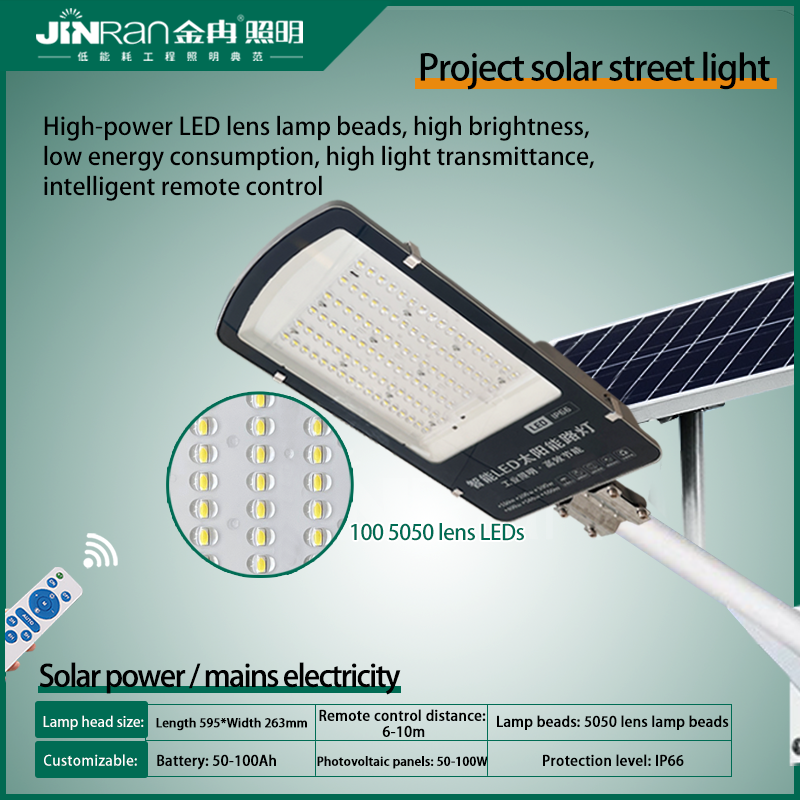
Solar street lights utilize solar panels to harness sunlight during the day, converting it into energy that powers LED lights at night. These fixtures are increasingly favored for their sustainability, as they reduce reliance on fossil fuels and lower electricity costs. Moreover, they often require minimal maintenance and can be installed in remote areas where traditional electricity infrastructure may not be feasible.
2. The Ecological Role of Local Wildlife
Wildlife plays a crucial role in maintaining ecological balance. From pollinators like bees to predators such as owls, each species contributes to the health of their ecosystems. Understanding the habitats and behaviors of these animals is essential, especially when introducing changes such as solar street lights. Wildlife adapts to various environmental changes, but sudden alterations in their habitats can have profound effects.
3. Benefits of Solar Street Lighting
Solar street lighting offers numerous benefits that extend beyond just energy savings. Key advantages include:
- Cost Efficiency: Long-term savings on electricity bills.
- Reduced Carbon Footprint: Lower greenhouse gas emissions compared to traditional lighting.
- Improved Safety: Enhanced visibility in dark areas can lead to reduced crime rates.
- Accessibility: Solar lights can be installed in remote or underserved areas, providing greater access to safety and security.
4. The Negative Impact of Artificial Lighting on Wildlife
Despite the numerous benefits, artificial lighting, including solar street lights, can disrupt wildlife behavior. Key concerns include:
- Disruption of Natural Cycles: Many species rely on natural light cycles for breeding, foraging, and migration. Artificial lighting can confuse these cycles, leading to mismatched timings.
- Attraction of Insects: Lights can attract insects, which may lead to increased predation on these insects and disrupt food chains.
- Habitat Alteration: Changes in light intensity and duration can alter plant growth, affecting the entire ecosystem.
5. Case Studies: Solar Street Lights and Wildlife Interaction
Examining real-world examples helps illustrate the impact of solar street lights on local wildlife. For example:
- Urban Parks: In cities where solar lights have been installed in parks, studies have shown reduced night-time activity in nocturnal species such as deer and raccoons.
- Wetland Areas: Solar lights placed near wetlands have led to changes in amphibian breeding patterns, as artificial lighting can deter breeding behaviors.
6. Best Practices for Wildlife-Friendly Solar Street Light Projects
To mitigate the adverse effects of solar street lighting on wildlife, we recommend adopting the following best practices:
- Use Warm-Cast LEDs: Opt for lighting that emits warmer colors, which are less disruptive to nocturnal wildlife.
- Implement Timers: Use timers to limit lighting during peak wildlife activity hours.
- Strategic Placement: Avoid placing lights near critical habitats and migration paths.
- Conduct Impact Assessments: Prior to installation, conduct assessments to understand potential wildlife interactions.
7. Future Prospects of Solar Street Lights in Wildlife Conservation
The integration of solar street lighting in conservation efforts holds great promise. As technology advances, new solutions can further minimize environmental impact. Innovations such as motion-sensor lighting, which only activates when human activity is detected, could reduce nighttime disturbances for wildlife. Additionally, collaboration between city planners and ecologists will ensure that both urban and wildlife needs are met.
8. FAQs About Solar Street Lights and Wildlife
What are the main benefits of solar street lights?
Solar street lights offer cost savings, reduced environmental impact, and improved safety in urban areas.
Can solar street lights harm wildlife?
Yes, artificial lighting can disrupt natural behaviors in wildlife, including breeding and foraging patterns.
How can we minimize the impact of solar street lights on wildlife?
Utilizing warmer LEDs, placing lights strategically, and implementing timers can help reduce impacts on wildlife.
Are there any successful models of solar street light projects?
Yes, various cities have implemented solar street lights successfully, balancing urban needs and wildlife conservation through careful planning.
What role does community involvement play in solar street light projects?
Community engagement can provide valuable insights into local wildlife and help ensure that projects are designed with ecological considerations in mind.
Conclusion
As urban areas continue to grow, the implementation of solar street lights represents a significant step towards sustainable urban development. While these systems offer substantial benefits, we must remain vigilant about their potential impacts on local wildlife. By adopting best practices and considering the needs of wildlife, we can create urban environments that do not compromise the integrity of our natural ecosystems. The future of solar street lights can harmonize human progress and wildlife conservation, ensuring that both can thrive in a shared space.



Contact Jinran
Phone:+86-13793941613
E-Mail:jinranzhaoming@gmail.com
Address:Linyi Hardware City, Jiuqu Street, Hedong District, Linyi City, Shandong Province
Get a Quote