

How Project Solar Street Lights Can Reduce Your Carbon Footprint
Release time:
May 29,2026
How Project Solar Street Lights Can Reduce Your Carbon Footprint Table of Contents 1. Introduction to Solar Street Lights 2. Understanding Your Carbon Footprint 3. Benefits of Solar Street Lights 4. How Solar Street Lights Work 5. How Solar Street Lights Reduce Carbon Footprint 6. The Cost-Effectiveness of Solar Street Lights 7. Case Studies of Successful Solar Street Light Projects 8. The Future
How Project Solar Street Lights Can Reduce Your Carbon Footprint
Table of Contents
- 1. Introduction to Solar Street Lights
- 2. Understanding Your Carbon Footprint
- 3. Benefits of Solar Street Lights
- 4. How Solar Street Lights Work
- 5. How Solar Street Lights Reduce Carbon Footprint
- 6. The Cost-Effectiveness of Solar Street Lights
- 7. Case Studies of Successful Solar Street Light Projects
- 8. The Future of Solar Street Lighting
- 9. Frequently Asked Questions
- 10. Conclusion
1. Introduction to Solar Street Lights
In recent years, the shift towards renewable energy has prompted innovative solutions across various sectors, including urban lighting. **Solar street lights** are one such advancement, harnessing sunlight to provide efficient lighting while minimizing environmental impact. As cities strive to implement **sustainable infrastructure**, solar street lights emerge as a viable option, offering a multitude of benefits not only for urban planners but also for communities aiming to reduce their **carbon footprint**.
2. Understanding Your Carbon Footprint
Your carbon footprint is a measure of the total greenhouse gases emitted directly or indirectly by your activities. These emissions predominantly stem from energy consumption, transportation, waste generation, and industrial processes. By understanding what contributes to our personal and collective carbon footprints, we can take actionable steps to reduce them. Key contributors include:
2.1 Transportation Emissions
The use of gasoline and diesel vehicles contributes significantly to carbon emissions. Transitioning to alternative energy sources, such as solar-powered infrastructure, is vital.
2.2 Energy Consumption
High energy consumption in buildings and public spaces leads to increased fossil fuel use, impacting the environment. Here, solar energy solutions can play a crucial role.
2.3 Waste Production
Improper waste management practices contribute to increased emissions. Sustainable practices can assist in lowering these figures.
3. Benefits of Solar Street Lights
Solar street lights provide a wealth of advantages that extend beyond just lighting. These benefits contribute to a greener environment while offering practical solutions for municipalities and communities.
3.1 Environmental Benefits
- **Reduction in Greenhouse Gases**: Solar street lights drastically lower carbon emissions by utilizing renewable energy.
- **Conservation of Resources**: By eliminating the need for traditional power sources, these lights conserve natural resources.
3.2 Financial Benefits
- **Lower Electricity Bills**: Solar street lights reduce or eliminate electricity costs, leading to substantial savings for municipalities.
- **Minimal Maintenance Costs**: With fewer components and robust technology, solar lights require less frequent maintenance compared to traditional street lights.
3.3 Enhanced Safety and Security
Proper lighting increases safety in urban areas, reducing crime rates and accidents during nighttime.
4. How Solar Street Lights Work
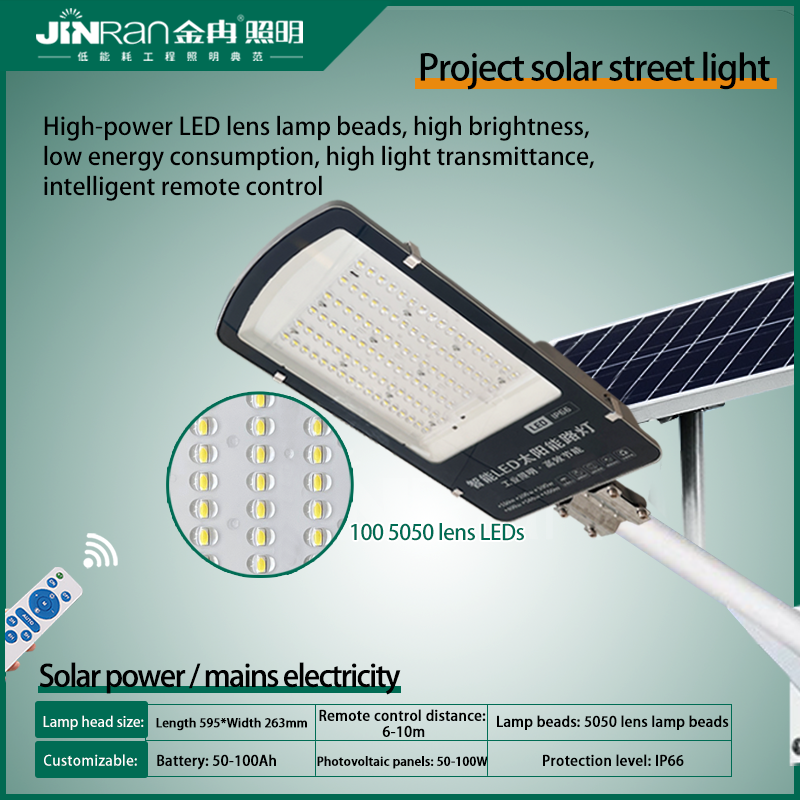
Solar street lights consist of several essential components that work together to provide illumination.
4.1 Solar Panels
Solar panels capture sunlight during the day and convert it into electricity. This energy is stored in batteries for use when the sun goes down.
4.2 LED Lighting
LED lights are energy-efficient and long-lasting, providing superior brightness compared to traditional lighting options.
4.3 Control Systems
Smart control systems can optimize performance by adjusting brightness based on ambient light levels, ensuring energy efficiency.
5. How Solar Street Lights Reduce Carbon Footprint
Implementing solar street lights is a significant step toward reducing carbon emissions in urban environments. Here’s how they achieve this impact:
5.1 Decreased Reliance on Fossil Fuels
By utilizing solar energy, cities can significantly reduce their dependency on fossil fuels, thus lowering greenhouse gas emissions associated with electricity production.
5.2 Sustainable Urban Planning
Incorporating solar street lights into city planning promotes sustainable practices, encouraging the development of green spaces and energy-efficient infrastructure.
5.3 Community Awareness and Involvement
The adoption of solar street lights can raise awareness about the importance of renewable energy, prompting communities to engage in further sustainability initiatives.
6. The Cost-Effectiveness of Solar Street Lights
While the initial investment in solar street lights may be higher than traditional fixtures, the long-term savings make them a more economical choice.
6.1 Initial Investment vs. Long-term Savings
Although upfront costs can be a concern, the reduction in energy bills and maintenance expenses quickly compensates for this investment.
6.2 Return on Investment (ROI)
Cities that implement solar street lights report significant ROI due to energy savings, reduced maintenance costs, and longer lifespans of solar components.
7. Case Studies of Successful Solar Street Light Projects
Several cities worldwide have successfully implemented solar street light projects, demonstrating their effectiveness in reducing carbon footprints.
7.1 San Diego, California
San Diego has embraced solar street lighting to enhance safety and save on energy costs. The city reports a reduction in energy consumption and greenhouse gas emissions.
7.2 Amsterdam, Netherlands
Amsterdam’s commitment to sustainability has seen the installation of solar street lights across the city, contributing to its ambitious climate goals.
7.3 Nairobi, Kenya
In Nairobi, solar street lights have not only improved nighttime safety but have also empowered local communities by utilizing renewable energy technology.
8. The Future of Solar Street Lighting
As technology progresses, the future of solar street lights looks promising. Innovations in solar panel efficiency, battery storage, and smart technology integration will enhance the performance and sustainability of solar street lighting systems.
8.1 Smart Technology Integration
Incorporating smart technology enables solar street lights to adjust to the needs of the environment, optimizing energy use while maintaining safety.
8.2 Expanded Applications
Future advancements may see solar street lights integrated with other systems, such as traffic management and environmental monitoring, promoting smarter cities.
9. Frequently Asked Questions
9.1 What are solar street lights made of?
Solar street lights typically consist of solar panels, LED lights, batteries, and control systems.
9.2 How do solar street lights work at night?
Solar street lights store energy captured during the day in batteries, which powers the lights at night.
9.3 Are solar street lights cost-effective?
Yes, they often lead to significant savings on energy and maintenance costs over time.
9.4 What is the lifespan of solar street lights?
Most solar street lights have a lifespan of over 25 years, depending on the quality of components used.
9.5 Can solar street lights work in cloudy conditions?
Yes, solar street lights can still function effectively, although efficiency may be reduced during prolonged cloudy weather.
10. Conclusion
The installation of solar street lights represents a critical shift towards sustainable urban infrastructure. By significantly reducing dependency on fossil fuels, lowering greenhouse gas emissions, and promoting energy efficiency, solar street lights can help individuals and communities alike minimize their carbon footprints. As cities continue to innovate and embrace renewable energy solutions, the potential for solar street lights to transform urban environments grows ever more promising. By investing in solar street lighting, we not only enhance public safety and reduce costs but also contribute to a greener, more sustainable future for generations to come.



Contact Jinran
Phone:+86-13793941613
E-Mail:jinranzhaoming@gmail.com
Address:Linyi Hardware City, Jiuqu Street, Hedong District, Linyi City, Shandong Province
Get a Quote