

Innovative Solutions with Project Solar Street Lights
Release time:
May 19,2026
In recent years, the adoption of solar street lighting has gained momentum, particularly within projects aimed at urban enhancement and sustainability. Project solar street lights represent a significant advancement in the realm of outdoor lighting, merging functionality with eco-friendliness. These lighting solutions utilize solar panels to harness sunlight during the day, storing energy in batte
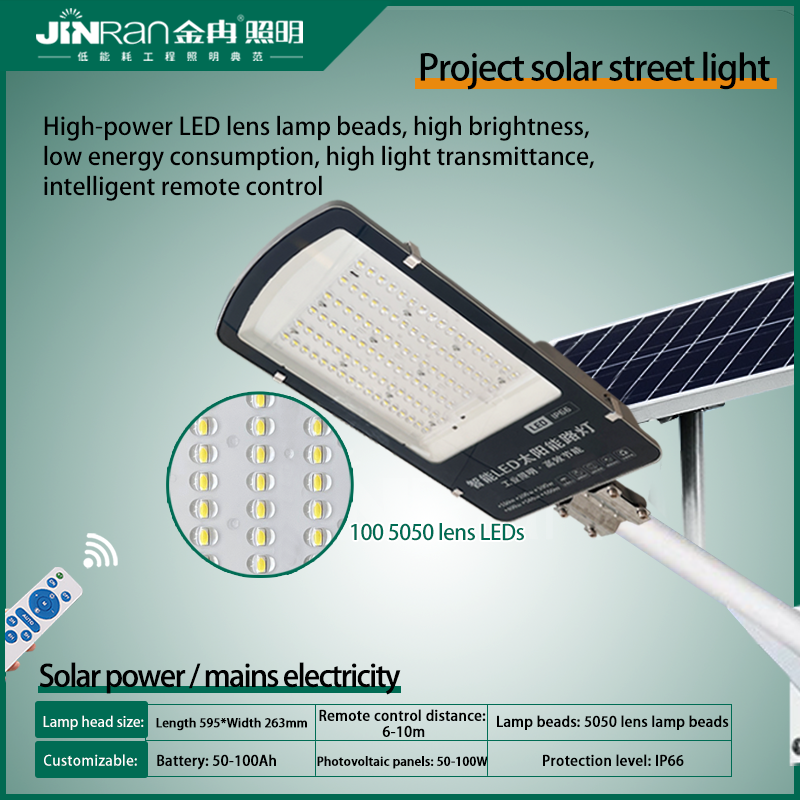
In recent years, the adoption of solar street lighting has gained momentum, particularly within projects aimed at urban enhancement and sustainability. Project solar street lights represent a significant advancement in the realm of outdoor lighting, merging functionality with eco-friendliness. These lighting solutions utilize solar panels to harness sunlight during the day, storing energy in batteries for illumination at night.
One of the primary components of a solar street light system includes photovoltaic panels, which are critical for converting solar energy into electrical energy. The efficiency of these panels can vary based on factors such as the type of solar cells used, the angle of installation, and the geographic location. When planning a project, it is essential to consider these variables to maximize energy absorption and ensure reliable performance.
Another vital element is the battery system. Most solar street lights utilize lithium-ion batteries due to their high energy density and longevity. Proper sizing of the battery is crucial, as it must store enough energy to power the light throughout the night while also accounting for variances in solar availability due to seasonal changes or weather conditions.
Installation of project solar street lights requires careful planning to determine optimal placement. Factors such as ambient light pollution, potential obstructions, and pedestrian safety must be taken into account. Proper spacing between lights is essential to ensure uniform illumination and avoid dark spots that could compromise safety in public areas.
One of the significant advantages of project solar street lights is their contribution to sustainability. By utilizing renewable energy, they significantly reduce dependency on fossil fuels and lower greenhouse gas emissions. Additionally, these systems often require minimal maintenance compared to traditional lighting, as they are less susceptible to damage from electrical faults.
Moreover, solar street lights can enhance the aesthetic appeal of urban environments. With various designs available, including decorative elements and smart technology features, these lights can fit into diverse architectural styles and contribute positively to the visual landscape of neighborhoods.
In conclusion, project solar street lights offer numerous benefits that make them an appealing choice for cities looking to improve their lighting systems. By understanding the technical aspects and planning accordingly, urban planners and decision-makers can implement these innovative solutions to create safer, more environmentally friendly communities. As cities continue to grow, embracing sustainable technologies like solar street lighting becomes crucial in achieving long-term urban sustainability goals.
One of the primary components of a solar street light system includes photovoltaic panels, which are critical for converting solar energy into electrical energy. The efficiency of these panels can vary based on factors such as the type of solar cells used, the angle of installation, and the geographic location. When planning a project, it is essential to consider these variables to maximize energy absorption and ensure reliable performance.
Another vital element is the battery system. Most solar street lights utilize lithium-ion batteries due to their high energy density and longevity. Proper sizing of the battery is crucial, as it must store enough energy to power the light throughout the night while also accounting for variances in solar availability due to seasonal changes or weather conditions.
Installation of project solar street lights requires careful planning to determine optimal placement. Factors such as ambient light pollution, potential obstructions, and pedestrian safety must be taken into account. Proper spacing between lights is essential to ensure uniform illumination and avoid dark spots that could compromise safety in public areas.
One of the significant advantages of project solar street lights is their contribution to sustainability. By utilizing renewable energy, they significantly reduce dependency on fossil fuels and lower greenhouse gas emissions. Additionally, these systems often require minimal maintenance compared to traditional lighting, as they are less susceptible to damage from electrical faults.
Moreover, solar street lights can enhance the aesthetic appeal of urban environments. With various designs available, including decorative elements and smart technology features, these lights can fit into diverse architectural styles and contribute positively to the visual landscape of neighborhoods.
In conclusion, project solar street lights offer numerous benefits that make them an appealing choice for cities looking to improve their lighting systems. By understanding the technical aspects and planning accordingly, urban planners and decision-makers can implement these innovative solutions to create safer, more environmentally friendly communities. As cities continue to grow, embracing sustainable technologies like solar street lighting becomes crucial in achieving long-term urban sustainability goals.



Contact Jinran
Phone:+86-13793941613
E-Mail:jinranzhaoming@gmail.com
Address:Linyi Hardware City, Jiuqu Street, Hedong District, Linyi City, Shandong Province
Get a Quote