

Project Solar Street Lights: A Step Toward Sustainable Living
Release time:
May 09,2026
Project Solar Street Lights: A Step Toward Sustainable Living In an era where environmental sustainability is becoming increasingly crucial, solar street lights stand out as an innovative solution for urban illumination. This article delves into the essential aspects of Project Solar Street Lights, emphasizing their role in fostering sustainable living. We will explore the benefits, technology, im
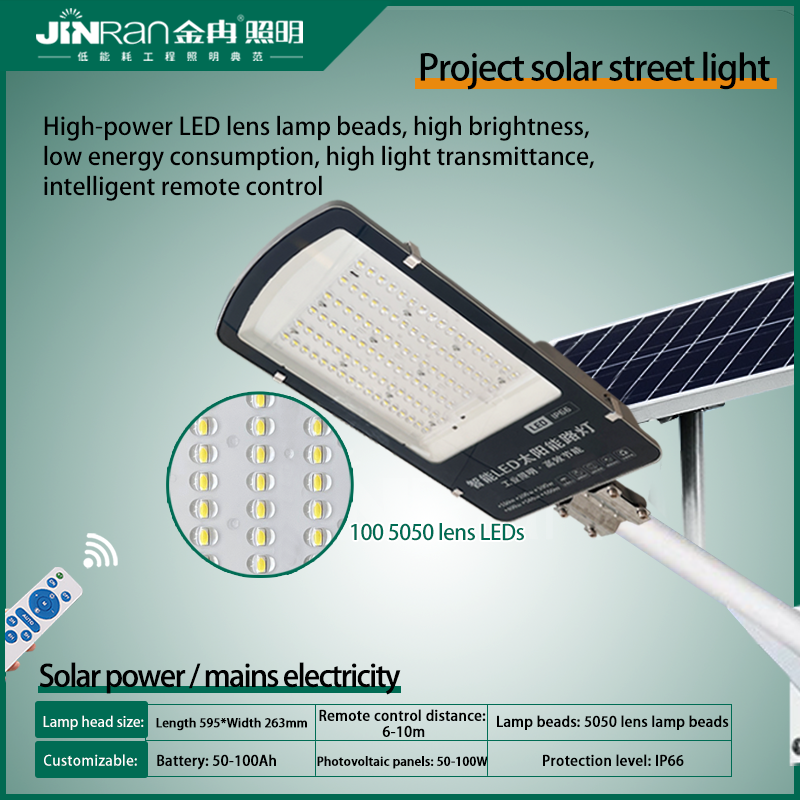
Project Solar Street Lights: A Step Toward Sustainable Living
In an era where environmental sustainability is becoming increasingly crucial, solar street lights stand out as an innovative solution for urban illumination. This article delves into the essential aspects of Project Solar Street Lights, emphasizing their role in fostering sustainable living. We will explore the benefits, technology, implementation strategies, and the future of solar street lighting systems, illuminating the path toward a greener future.
Table of Contents
- 1. Introduction to Solar Street Lights
- 2. Benefits of Solar Street Lighting
- 3. Technology Behind Solar Street Lights
- 4. Implementing Solar Street Lights
- 5. Case Studies of Successful Solar Street Light Projects
- 6. Challenges in Solar Street Light Projects
- 7. The Future of Solar Street Lighting
- 8. Frequently Asked Questions (FAQs)
- 9. Conclusion
1. Introduction to Solar Street Lights
Solar street lights utilize renewable energy from the sun to provide illumination for outdoor areas. These lighting systems are designed to operate independently from the traditional electrical grid, making them a sustainable option for urban lighting. By harnessing solar energy, cities can reduce their carbon footprint, lower energy costs, and enhance public safety through improved visibility.
2. Benefits of Solar Street Lighting
Solar street lighting offers numerous advantages over conventional lighting solutions. Here are some of the most significant benefits:
2.1 Environmental Impact
Solar street lights contribute to reduced greenhouse gas emissions, as they rely on clean energy sources. This shift towards renewable energy helps combat climate change and promotes a sustainable future.
2.2 Cost Efficiency
While the initial installation cost may be higher than traditional lights, solar street lights can lead to significant savings over time. They eliminate electricity bills and reduce maintenance costs due to their long lifespan and durable components.
2.3 Easy Installation
Solar street lights require minimal infrastructure, making installation quicker and less disruptive. They can be placed in remote or hard-to-reach areas where extending electrical lines would be impractical.
2.4 Improved Public Safety
Enhanced visibility during nighttime hours improves safety for pedestrians and drivers alike. Well-lit streets contribute to reduced crime rates and promote a sense of security in communities.
2.5 Energy Independence
By utilizing solar energy, communities become less dependent on traditional power sources, fostering energy independence and resilience against energy price fluctuations.
3. Technology Behind Solar Street Lights
The effectiveness of solar street lights hinges on several key technologies. Understanding these components is essential for appreciating how they function.
3.1 Solar Panels
Solar panels are the heart of any solar street lighting system. They convert sunlight into electrical energy through photovoltaic cells. The efficiency and size of solar panels directly impact the energy output, influencing how long the lights can operate after sunset.
3.2 Battery Storage
Energy storage is crucial for solar street lights, as they need to operate during the night. Most systems use lithium-ion or lead-acid batteries, which store excess energy produced during the day for use after dark. The capacity and discharge rates of these batteries determine how long the lights will last on cloudy days or during winter months.
3.3 Light Sources
Modern solar street lights typically use LED technology, which offers high efficiency and long lifespans. LEDs consume significantly less energy than traditional incandescent bulbs and provide bright, clear illumination, enhancing visibility.
4. Implementing Solar Street Lights
Successfully implementing a solar street lighting project involves multiple steps, from planning to installation. Here’s a brief overview of the process:
4.1 Assessing Community Needs
Before installation, it's vital to conduct a thorough assessment of community needs. This includes identifying areas that lack adequate lighting, understanding local crime rates, and evaluating pedestrian traffic to determine where lights would have the most significant impact.
4.2 Selecting the Right Technology
Different solar street lighting systems offer varying features and capabilities. Communities must choose systems that align with their specific needs, considering factors such as brightness, battery capacity, and durability for local weather conditions.
4.3 Securing Funding and Partnerships
Funding options can include government grants, private investments, and public-private partnerships. Engaging with local businesses and stakeholders can help secure resources and support for the project.
4.4 Installation and Maintenance
Once funding is secured, the installation process can begin. It's essential to ensure proper installation to maximize efficiency and performance. Ongoing maintenance is also crucial to ensure the longevity of the systems, including regular inspections and battery replacements as needed.
5. Case Studies of Successful Solar Street Light Projects
Several cities around the world have successfully implemented solar street lighting projects. Here are a few notable examples:
5.1 San Diego, California
San Diego has deployed thousands of solar street lights throughout the city. The initiative has provided significant energy savings and enhanced safety in public areas, reducing crime rates and promoting nighttime activity.
5.2 Nairobi, Kenya
Nairobi’s solar street lighting project has transformed neighborhoods lacking reliable electricity. This initiative has improved safety and encouraged local businesses to thrive after dark, enhancing the community's economy.
5.3 Melbourne, Australia
Melbourne's commitment to sustainability includes a substantial investment in solar street lighting. The project has successfully reduced emissions and operating costs while creating a safer urban environment for residents and visitors.
6. Challenges in Solar Street Light Projects
Despite the numerous benefits, several challenges can arise during the implementation of solar street light projects:
6.1 Initial Costs
The upfront costs of purchasing and installing solar street lights can be a barrier for some communities. Budget constraints may hinder project initiation, despite long-term savings.
6.2 Technological Limitations
Not all solar street light technologies are equal. Some systems may struggle in areas with limited sunlight, requiring careful planning and selection of components to ensure reliability.
6.3 Maintenance and Repairs
Regular maintenance is necessary to ensure optimal performance. Communities must allocate resources for inspections and repairs, which can be challenging in budget-constrained environments.
7. The Future of Solar Street Lighting
As technology evolves, the future of solar street lighting looks bright. Innovations in solar panel efficiency, battery technology, and smart lighting systems are set to enhance the effectiveness and appeal of solar street lights.
7.1 Smart Solar Street Lights
The integration of IoT (Internet of Things) technology into solar street lights allows for smarter urban management. These systems can adjust brightness based on pedestrian traffic, connect to city networks for real-time monitoring, and facilitate data collection for urban planning.
7.2 Expanded Applications
The potential applications for solar street lighting extend beyond street illumination. They can be utilized in parks, parking lots, and remote areas, providing sustainable lighting solutions to a broader range of environments.
7.3 Global Adoption
With increasing awareness of climate change and sustainability, more communities worldwide are likely to adopt solar street lighting. This shift will foster a greener future and contribute to global efforts in reducing carbon emissions.
8. Frequently Asked Questions (FAQs)
8.1 How long do solar street lights last?
Solar street lights typically have a lifespan of 5 to 10 years, depending on the quality of materials used and maintenance practices.
8.2 Do solar street lights work at night?
Yes, solar street lights are designed to store energy during the day and utilize it to operate at night, ensuring consistent illumination.
8.3 What happens during cloudy weather?
While solar street lights may produce less energy on cloudy days, most systems are equipped with batteries that store enough energy for several days of operation.
8.4 Are solar street lights cost-effective?
Yes, although the initial installation costs can be high, the reduction in energy bills and maintenance costs often results in significant savings over time.
8.5 Can solar street lights be installed in remote areas?
Absolutely! One of the advantages of solar street lighting is its ability to be installed in remote locations where extending electrical lines is impractical.
9. Conclusion
Project Solar Street Lights represents a significant step toward sustainable living, offering numerous benefits such as environmental conservation, cost savings, and enhanced public safety. By embracing this innovative technology, communities can illuminate their streets while paving the way for a greener future. With ongoing advancements in solar technology, the potential for solar street lighting continues to grow, making it an essential consideration for modern urban planning. We encourage cities worldwide to explore the possibilities and implement solar street lighting solutions that serve their unique needs and contribute to a sustainable tomorrow.

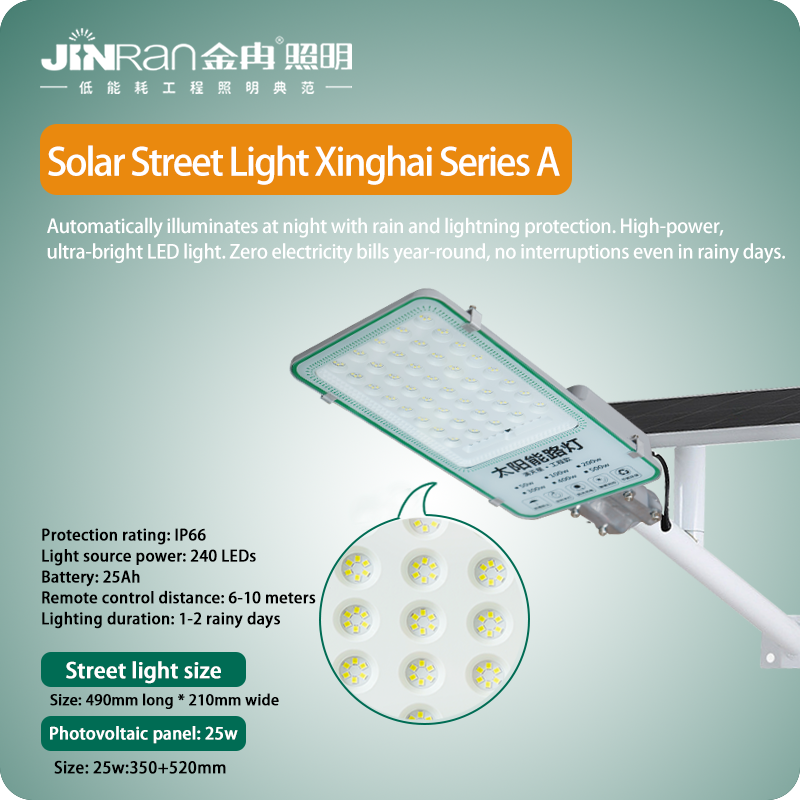

Contact Jinran
Phone:+86-13793941613
E-Mail:jinranzhaoming@gmail.com
Address:Linyi Hardware City, Jiuqu Street, Hedong District, Linyi City, Shandong Province
Get a Quote