

Illuminating the Future: Understanding Project Solar Street Lights
Release time:
Apr 29,2026
In recent years, the integration of renewable energy sources into urban infrastructure has gained significant traction, with the project solar street light emerging as a leading solution. These innovative lighting systems harness the sun's energy to provide illumination, thereby maximizing efficiency and sustainability. Understanding the key components and benefits of solar street lights can help
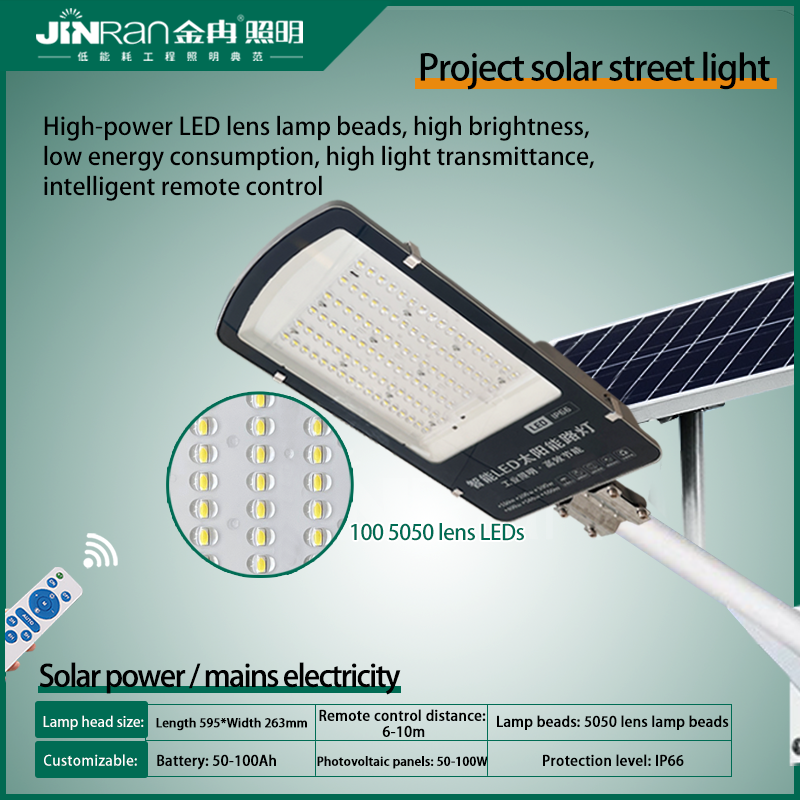
In recent years, the integration of renewable energy sources into urban infrastructure has gained significant traction, with the project solar street light emerging as a leading solution. These innovative lighting systems harness the sun's energy to provide illumination, thereby maximizing efficiency and sustainability. Understanding the key components and benefits of solar street lights can help you appreciate their role in modern urban planning.
At the core of a solar street light project is its unique design, which typically includes a solar panel, LED light fixture, battery storage, and a pole for mounting. The solar panel absorbs sunlight during the day, converting it into electricity that is stored in a rechargeable battery. As night falls, the stored energy powers the LED lights, illuminating streets, parks, and public spaces without relying on conventional power sources.
One of the most significant advantages of project solar street lights is their environmental impact. By utilizing renewable solar energy, these lights help to reduce greenhouse gas emissions and lower the dependence on fossil fuels. This not only supports global efforts to combat climate change but also promotes a cleaner, healthier environment for communities.
Additionally, solar street lights can result in substantial cost savings for municipalities and businesses. Traditional street lighting systems require ongoing investments in electricity and maintenance. In contrast, solar street lights minimize these expenses by eliminating electricity bills and reducing the need for routine maintenance. With fewer moving parts and a longer lifespan, solar-powered systems can be an economically viable choice in the long run.
Moreover, the installation of solar street lights can enhance public safety. Well-lit areas deter crime and promote a sense of security among residents and visitors. Furthermore, these lights can be equipped with smart technology, allowing for features like motion sensors and adaptive brightness, which can optimize energy use and further enhance safety.
While the advantages of project solar street lights are clear, there are important considerations to keep in mind. Location plays a crucial role in the effectiveness of solar lighting, as areas with limited sunlight exposure may not provide sufficient energy for operation. Additionally, the choice of appropriate materials and technology is essential to ensure durability and performance in various environmental conditions.
In conclusion, project solar street lights represent a forward-thinking approach to urban lighting that aligns with sustainability goals and enhances community safety. By leveraging solar energy, communities can illuminate public spaces while reducing their carbon footprint and operating costs. As cities continue to grow and evolve, solar street lights will likely play an increasingly vital role in reshaping our urban landscapes for a brighter, greener future.
At the core of a solar street light project is its unique design, which typically includes a solar panel, LED light fixture, battery storage, and a pole for mounting. The solar panel absorbs sunlight during the day, converting it into electricity that is stored in a rechargeable battery. As night falls, the stored energy powers the LED lights, illuminating streets, parks, and public spaces without relying on conventional power sources.
One of the most significant advantages of project solar street lights is their environmental impact. By utilizing renewable solar energy, these lights help to reduce greenhouse gas emissions and lower the dependence on fossil fuels. This not only supports global efforts to combat climate change but also promotes a cleaner, healthier environment for communities.
Additionally, solar street lights can result in substantial cost savings for municipalities and businesses. Traditional street lighting systems require ongoing investments in electricity and maintenance. In contrast, solar street lights minimize these expenses by eliminating electricity bills and reducing the need for routine maintenance. With fewer moving parts and a longer lifespan, solar-powered systems can be an economically viable choice in the long run.
Moreover, the installation of solar street lights can enhance public safety. Well-lit areas deter crime and promote a sense of security among residents and visitors. Furthermore, these lights can be equipped with smart technology, allowing for features like motion sensors and adaptive brightness, which can optimize energy use and further enhance safety.
While the advantages of project solar street lights are clear, there are important considerations to keep in mind. Location plays a crucial role in the effectiveness of solar lighting, as areas with limited sunlight exposure may not provide sufficient energy for operation. Additionally, the choice of appropriate materials and technology is essential to ensure durability and performance in various environmental conditions.
In conclusion, project solar street lights represent a forward-thinking approach to urban lighting that aligns with sustainability goals and enhances community safety. By leveraging solar energy, communities can illuminate public spaces while reducing their carbon footprint and operating costs. As cities continue to grow and evolve, solar street lights will likely play an increasingly vital role in reshaping our urban landscapes for a brighter, greener future.



Contact Jinran
Phone:+86-13793941613
E-Mail:jinranzhaoming@gmail.com
Address:Linyi Hardware City, Jiuqu Street, Hedong District, Linyi City, Shandong Province
Get a Quote