

How Nano Street Lights Can Effectively Reduce Light Pollution
Release time:
Apr 11,2026
How Nano Street Lights Can Effectively Reduce Light Pollution In today's fast-paced urban environment, the effects of light pollution are becoming increasingly evident. From disrupting ecosystems to affecting human health, the consequences of excessive artificial light are far-reaching. However, the advent of advanced lighting technology, particularly Nano Street Lights, offers a promising solutio
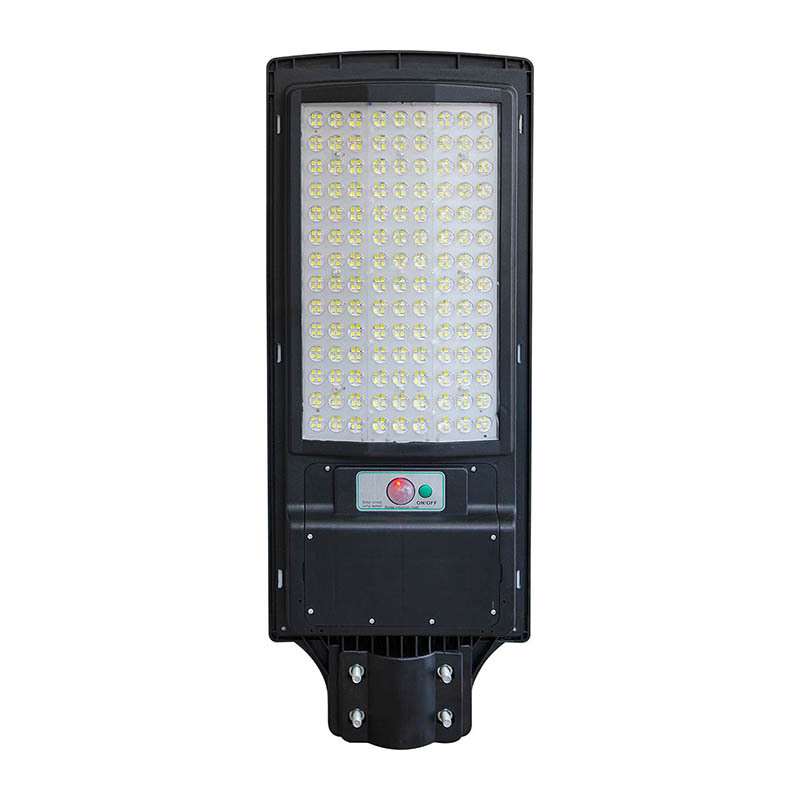
How Nano Street Lights Can Effectively Reduce Light Pollution
In today's fast-paced urban environment, the effects of light pollution are becoming increasingly evident. From disrupting ecosystems to affecting human health, the consequences of excessive artificial light are far-reaching. However, the advent of advanced lighting technology, particularly Nano Street Lights, offers a promising solution to combat this pressing issue. In this article, we will explore the intricate details of nano street lights, their advantages, and how they can significantly reduce light pollution in our cities.
Understanding Light Pollution: A Growing Concern
Light pollution is defined as the excess or misdirected artificial light that disrupts the natural darkness of the night sky. It can be categorized into several types, including:
- Skyglow: The brightening of the night sky over populated areas.
- Glare: Excessive brightness that causes visual discomfort.
- Light trespass: Unwanted or intrusive artificial light that spills over into areas where it is not needed.
- Clutter: An overabundance of lights, particularly in urban settings, that can confuse and disorient.
These types of light pollution not only obscure our view of the stars but also have detrimental effects on wildlife, disrupt sleep patterns in humans, and even contribute to climate change. As cities expand, the need for innovative solutions to reduce light pollution becomes paramount.
The Technology Behind Nano Street Lights
Nano street lights are an innovative lighting solution that leverages cutting-edge technology to provide efficient, targeted illumination while minimizing excessive light. But what exactly makes these lights so effective? Here are several key features:
1. Advanced LED Technology
Nano street lights primarily use Light Emitting Diodes (LEDs), which are known for their energy efficiency and longevity. Unlike traditional street lights, LEDs emit light in a specific direction, reducing the amount of light that escapes into the sky and minimizing light pollution.
2. Smart Sensor Integration
Equipped with smart sensors, nano street lights can adjust their brightness based on the presence of pedestrians and vehicles. This feature not only conserves energy but also reduces glare and excess illumination in areas where it is not necessary.
3. Compact Design
The compact design of nano street lights allows for more precise placement and targeted lighting. This ensures that areas requiring illumination receive adequate light without spilling over into surrounding areas, further combatting light pollution.
4. Solar Power Capability
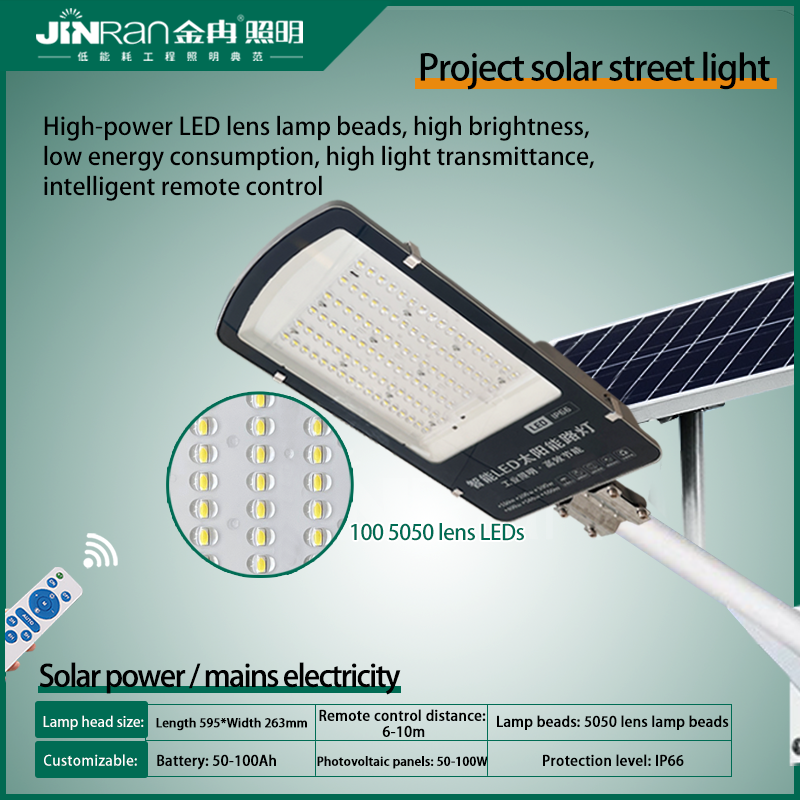
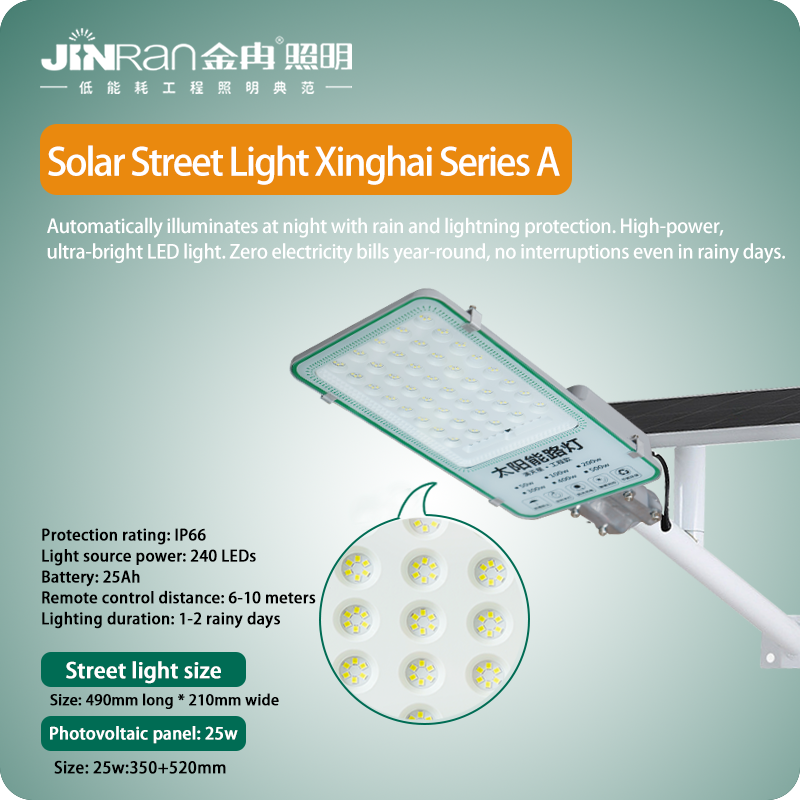
Many nano street lights are designed to be powered by solar energy, making them environmentally friendly and reducing the carbon footprint. This renewable energy source allows for sustainable operation, especially in remote or off-grid areas.
Benefits of Implementing Nano Street Lights
The transition to nano street lights offers a multitude of advantages for urban areas, significantly impacting both environmental and social aspects.
1. Reduced Light Pollution
The primary benefit of nano street lights is their ability to significantly reduce light pollution. By utilizing directional lighting and smart technology, these lights ensure that illumination is focused where it is needed, minimizing the impact on the night sky.
2. Enhanced Energy Efficiency
Energy-efficient LEDs consume less power than traditional lighting solutions, leading to substantial cost savings for municipalities. With the integration of smart sensors, these lights consume energy only when necessary, further enhancing efficiency.
3. Improved Safety and Security
Properly designed nano street lights can enhance visibility in urban areas, contributing to improved safety for pedestrians and drivers alike. The ability to adjust brightness based on real-time conditions helps eliminate dark spots and increases overall security.
4. Aesthetic Appeal
Modern nano street lights come in various designs and styles, allowing cities to enhance their aesthetic appeal while promoting sustainability. These lights can be integrated into urban landscaping, creating visually pleasing environments.
5. Contribution to Ecological Balance
By reducing light pollution, nano street lights help preserve the natural behaviors of nocturnal wildlife and maintain the ecological balance. This contributes to healthier ecosystems and a better quality of life for all living organisms.
Case Studies: Successful Implementation of Nano Street Lights
Several cities globally have begun to embrace the technology of nano street lights to mitigate light pollution. Here are some noteworthy examples:
1. San Diego, California
San Diego launched a project to replace all its street lights with energy-efficient LED lighting, including nano street lights. The initiative resulted in a significant reduction in energy costs and light pollution, allowing residents to enjoy clearer night skies.
2. Paris, France
Paris has undertaken a commitment to reduce light pollution as part of its broader sustainability efforts. The city has started integrating smart nano street lights into its urban landscape, resulting in a more pleasant nighttime environment for residents and visitors.
3. Helsinki, Finland
Helsinki has introduced nano street lights in several districts, focusing on smart technology that adjusts lighting based on pedestrian traffic. This project has not only reduced light pollution but also improved energy efficiency and safety in public spaces.
Future of Urban Lighting: Transitioning to Nano Street Lights
The future of urban lighting lies in the effective transition to nano street lights. This shift involves overcoming several challenges, including budget constraints and public awareness. However, the long-term benefits, including reduced light pollution, energy savings, and improved public safety, make this transition worth pursuing.
1. Government Incentives and Funding
To facilitate the widespread adoption of nano street lights, governments can provide incentives and funding for municipalities. This support will encourage cities to invest in advanced lighting solutions that promote sustainability.
2. Community Engagement and Awareness
Educating communities about the benefits of nano street lights is essential for successful implementation. Public awareness campaigns can help garner support and encourage residents to embrace these innovative solutions.
3. Partnerships with Technology Providers
Collaborating with technology providers specializing in lighting solutions can help cities access the latest advancements in nano street light technology. This partnership can ensure that cities implement the most effective and sustainable lighting solutions.
Frequently Asked Questions (FAQs)
1. What are nano street lights?
Nano street lights are advanced lighting solutions that utilize LED technology, smart sensors, and a compact design to provide efficient, targeted illumination while minimizing light pollution.
2. How do nano street lights reduce light pollution?
By utilizing directional lighting and smart sensors, nano street lights reduce excessive illumination in areas where it is not needed, focusing light only on paths and roadways.
3. Are nano street lights energy-efficient?
Yes, nano street lights are highly energy-efficient, consuming less power than traditional lighting solutions and utilizing smart technology to adjust brightness based on real-time conditions.
4. Can nano street lights be powered by solar energy?
Many nano street lights can indeed be powered by solar energy, making them a sustainable and environmentally friendly lighting solution.
5. What are the benefits of using nano street lights in urban areas?
The benefits include reduced light pollution, enhanced energy efficiency, improved safety and security, aesthetic appeal, and a positive contribution to ecological balance.
Conclusion
The implementation of nano street lights represents a significant advancement in urban lighting technology, offering a viable solution to the pervasive issue of light pollution. By focusing on energy efficiency, smart technology, and design aesthetics, these innovative lights can transform urban environments into more sustainable and attractive spaces. As cities continue to grow and evolve, embracing the benefits of nano street lights will be crucial in creating a harmonious balance between human activity and the natural world. As we move forward, the widespread adoption of nano street lights can lead us toward a brighter, more sustainable future, illuminating our cities in a way that respects both our health and our planet.


Contact Jinran
Phone:+86-13793941613
E-Mail:jinranzhaoming@gmail.com
Address:Linyi Hardware City, Jiuqu Street, Hedong District, Linyi City, Shandong Province
Get a Quote