

Maximize Energy Efficiency with Project Solar Street Lights: A Comprehensive Guide
Release time:
Mar 30,2026
Maximize Energy Efficiency with Project Solar Street Lights Introduction to Solar Street Lights In an era where energy efficiency is paramount, adopting innovative solutions like solar street lights can significantly impact our communities. These systems harness the sun's energy to illuminate public spaces, providing a sustainable and cost-effective alternative to traditional street lighting. The
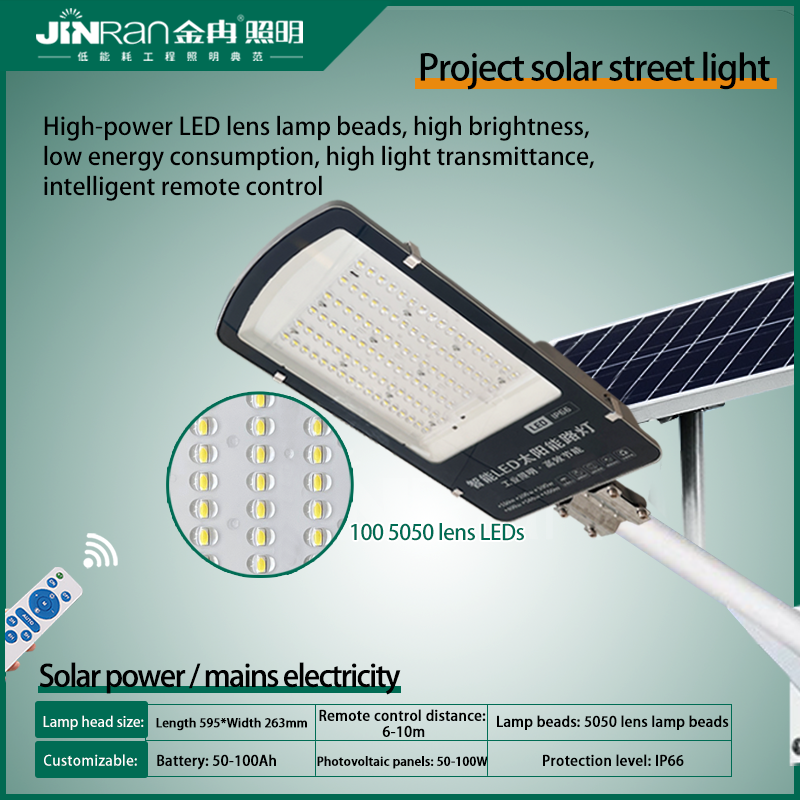
Maximize Energy Efficiency with Project Solar Street Lights
Introduction to Solar Street Lights
In an era where energy efficiency is paramount, adopting innovative solutions like solar street lights can significantly impact our communities. These systems harness the sun's energy to illuminate public spaces, providing a sustainable and cost-effective alternative to traditional street lighting.
The Importance of Energy Efficiency in Lighting
Understanding the need for energy-efficient lighting is crucial. As urban areas continue to grow, the demand for lighting increases, leading to higher energy consumption and costs. By integrating solar street lights, we can mitigate these challenges while promoting environmental sustainability.
What are Solar Street Lights?
Solar street lights are self-sufficient lighting systems that utilize solar panels to convert sunlight into electricity. Equipped with LED bulbs and smart technology, these lights operate without the need for extensive wiring or external power sources. Their design allows them to charge during the day and illuminate at night, ensuring continuous operation.
Key Components of Solar Street Lights
To fully appreciate the technology behind solar street lights, it's essential to understand their components:
1. Solar Panels
Solar panels are responsible for capturing sunlight and converting it into electrical energy. Typically made of silicon, they are designed to withstand various weather conditions, ensuring optimal performance year-round.
2. Batteries
The batteries store the generated energy, allowing the lights to operate during the night or on cloudy days. High-capacity lithium-ion batteries are commonly used for their longevity and efficiency.
3. LED Lights
LED lights are the backbone of any solar street lighting system. They provide bright illumination while consuming significantly less power than traditional incandescent or fluorescent bulbs.
4. Control Systems
Control systems manage the operation of the lights, ensuring they turn on and off at appropriate times. Advanced systems can adjust brightness based on ambient light levels and include motion sensors for enhanced efficiency.
Benefits of Using Solar Street Lights
The advantages of implementing solar street lights in urban and rural environments are numerous:
1. Environmentally Friendly
Solar street lights contribute to reducing carbon footprints by utilizing renewable energy. This shift helps communities transition towards more sustainable practices.
2. Cost Savings
With no electrical costs associated with solar energy, municipalities can save significantly on energy bills. Additionally, the low maintenance requirements of solar street lights further reduce long-term expenses.
3. Enhanced Public Safety
Well-lit streets improve visibility, deterring crime and enhancing safety for pedestrians and cyclists. Communities can benefit from increased foot traffic and a sense of security.
4. Easy Installation and Maintenance
The installation of solar street lights is straightforward, requiring minimal groundwork compared to traditional systems. Maintenance is also simplified due to their durability and self-sufficient nature.
Factors to Consider When Implementing Solar Street Lights
While the benefits are clear, several factors must be considered when planning the installation of solar street lights:
1. Location and Solar Exposure
Selecting the ideal location is crucial. Areas with maximum sun exposure will yield the best results. It’s essential to conduct a solar feasibility study to assess potential shading from buildings or trees.
2. Lighting Requirements
Determining the appropriate brightness and coverage is vital for effective lighting. Different areas may require varying light levels based on their use and traffic patterns.
3. Community Engagement
Engaging the community in the planning process fosters support and ensures that the lighting solutions meet the needs of residents. Public meetings and surveys can be beneficial in gathering feedback.
4. Budget Constraints
While solar street lights offer long-term savings, the initial investment can be significant. Planning and securing funding through grants or partnerships can alleviate financial burdens.
How to Choose the Right Solar Street Light System
Selecting the right solar street light system involves considering several key factors:
1. Quality of Components
Opt for systems that use high-quality solar panels, batteries, and LED lights. This ensures longevity and optimal performance.
2. Technology Features
Consider systems with smart technology capabilities, such as motion sensors and remote monitoring, which can enhance energy efficiency and ease of use.
3. Warranty and Support
Evaluate the warranties offered by manufacturers and the availability of customer support. A reliable support system can ensure that any issues are promptly addressed.
Case Studies: Successful Implementations of Solar Street Lights
Several communities have successfully implemented solar street lighting, showcasing the technology's effectiveness:
1. City of San Diego, California
San Diego has installed solar street lights throughout public parks, reducing energy costs and enhancing safety for park visitors. The project has received positive feedback from residents and increased nighttime foot traffic.
2. Township of Montgomery, New Jersey
Montgomery Township adopted solar street lights along its walking trails. The initiative has improved visibility and safety while promoting outdoor activities for families, particularly in the evenings.
3. Nairobi, Kenya
In Nairobi's informal settlements, solar street lights have transformed communities by providing reliable lighting. This initiative has reduced crime rates and improved the quality of life for residents.
Future of Solar Street Lights: Innovations and Trends
The future of solar street lighting is bright, with continuous innovations enhancing their efficiency and functionality:
1. Smart City Integration
As cities evolve into smart cities, integrating solar street lights with IoT technology allows for real-time monitoring, data collection, and enhanced energy management.
2. Solar-Powered Charging Stations
Emerging trends include the integration of charging stations for electric vehicles and mobile devices in solar street lights, providing added convenience for users.
3. Enhanced Aesthetics
Modern designs are focusing on aesthetics, with solar street lights available in various styles to complement urban landscapes and improve visual appeal.
Frequently Asked Questions (FAQs)
1. How long do solar street lights last?
Solar street lights typically last between 5 to 10 years, depending on the quality of components and maintenance practices. Regular checks can extend their lifespan.
2. Can solar street lights work in cloudy weather?
Yes, solar street lights can still function effectively in cloudy weather, as they store energy during sunny periods. However, prolonged cloudy conditions may affect performance.
3. Are solar street lights easy to install?
Solar street lights are relatively easy to install compared to traditional systems, requiring minimal groundwork and no electrical infrastructure.
4. What maintenance is required for solar street lights?
Maintenance is minimal, mainly involving periodic cleaning of solar panels and checking battery performance. Regular inspections can ensure optimal functioning.
5. How do I determine the right solar street light for my community?
Consider factors such as location, lighting requirements, budget, and community input when selecting the best solar street light system for your needs.
Conclusion
Maximizing energy efficiency through the implementation of solar street lights is not only a sustainable choice but also a practical one for communities striving for improved safety and reduced costs. By embracing this technology, cities can pave the way for a brighter, greener future, enhancing public spaces while promoting environmental responsibility. As we continue to innovate and adapt, solar street lights will undoubtedly play a pivotal role in the evolution of urban infrastructure. Embrace the change, and let solar street lights illuminate your community sustainably and efficiently.

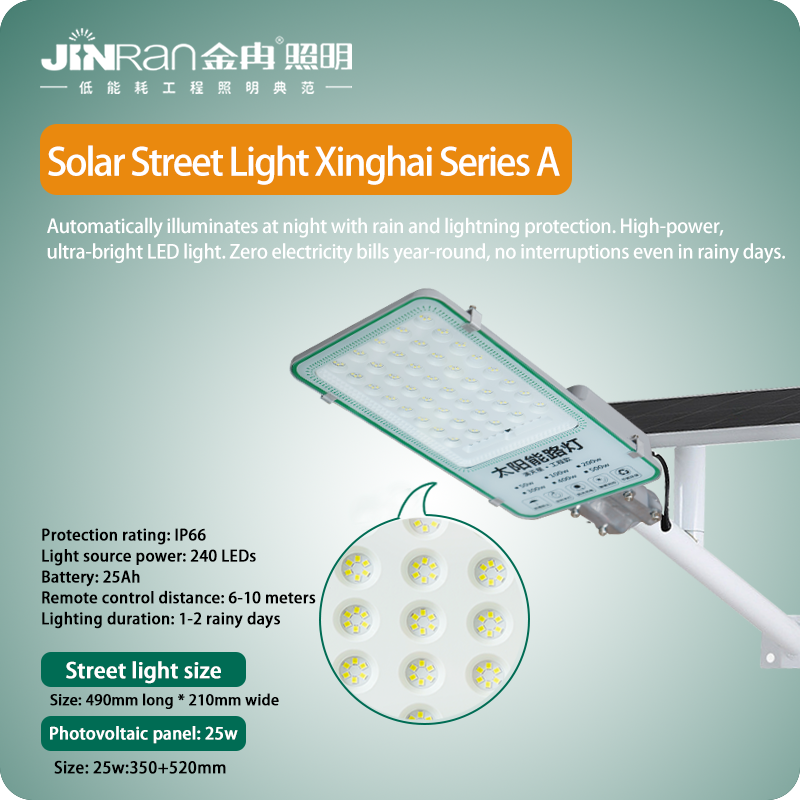

Contact Jinran
Phone:+86-13793941613
E-Mail:jinranzhaoming@gmail.com
Address:Linyi Hardware City, Jiuqu Street, Hedong District, Linyi City, Shandong Province
Get a Quote