

Smart Features of Nano Street Lights That Improve Urban Living
Release time:
Mar 22,2026
Smart Features of Nano Street Lights That Improve Urban Living Table of Contents 1. Introduction to Nano Street Lights 2. The Importance of Smart Street Lighting in Urban Areas 3. Energy Efficiency: A Core Feature of Nano Street Lights 3.1 Comparison with Traditional Street Lighting 3.2 Sustainability and Reduced Carbon Footprint 4. Enhancing Public Safety Through Smart Technology 4.1 Crime Reduct
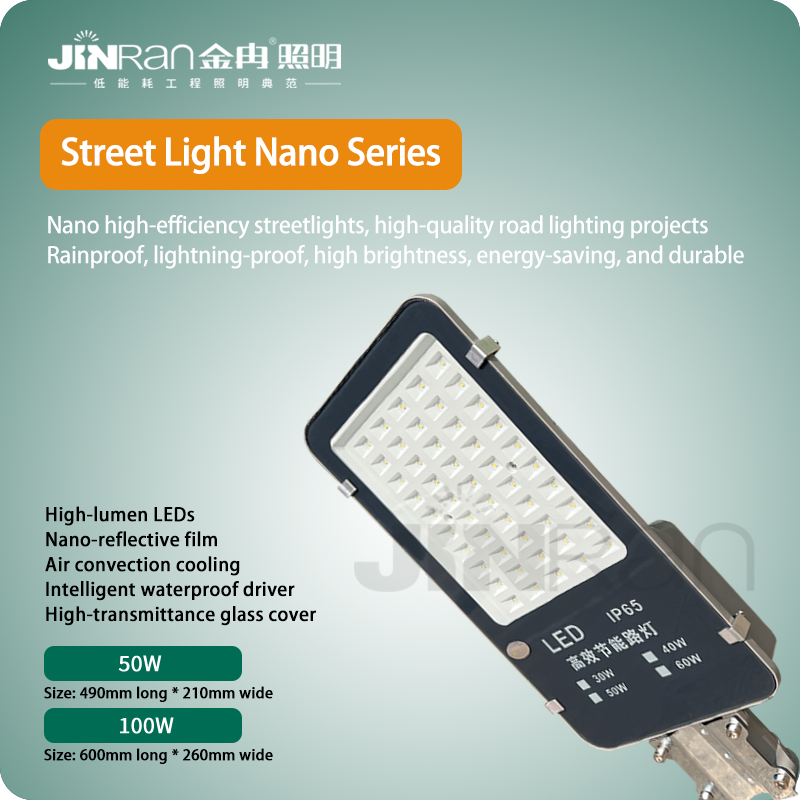
Smart Features of Nano Street Lights That Improve Urban Living
Table of Contents
1. Introduction to Nano Street Lights
2. The Importance of Smart Street Lighting in Urban Areas
3. Energy Efficiency: A Core Feature of Nano Street Lights
3.1 Comparison with Traditional Street Lighting
3.2 Sustainability and Reduced Carbon Footprint
4. Enhancing Public Safety Through Smart Technology
4.1 Crime Reduction and Improved Visibility
4.2 Emergency Response Features
5. Intelligent Traffic Management and Control
5.1 Integrated Sensors for Real-Time Data
5.2 Traffic Flow Optimization
6. IoT Connectivity and Urban Infrastructure
6.1 How IoT Enhances Street Light Functionality
6.2 Future-Proofing Urban Spaces
7. Environmental Benefits of Nano Street Lights
7.1 Reduction of Light Pollution
7.2 Promoting Urban Wildlife Health
8. Conclusion
9. Frequently Asked Questions (FAQs)
1. Introduction to Nano Street Lights
Nano street lights represent a **revolutionary advancement** in urban lighting technology. These compact, efficient fixtures are equipped with a range of smart features designed to enhance urban living. By integrating cutting-edge technology, nano street lights not only illuminate our streets but also contribute to various aspects of urban infrastructure, making cities safer, more energy-efficient, and environmentally friendly.
2. The Importance of Smart Street Lighting in Urban Areas
Urban environments are continually evolving, and the importance of **smart street lighting** cannot be overstated. These innovative lighting solutions play a crucial role in enhancing the quality of life for residents. They address various issues, such as energy consumption, public safety, and environmental impact, thereby transforming urban landscapes into more livable spaces.
3. Energy Efficiency: A Core Feature of Nano Street Lights
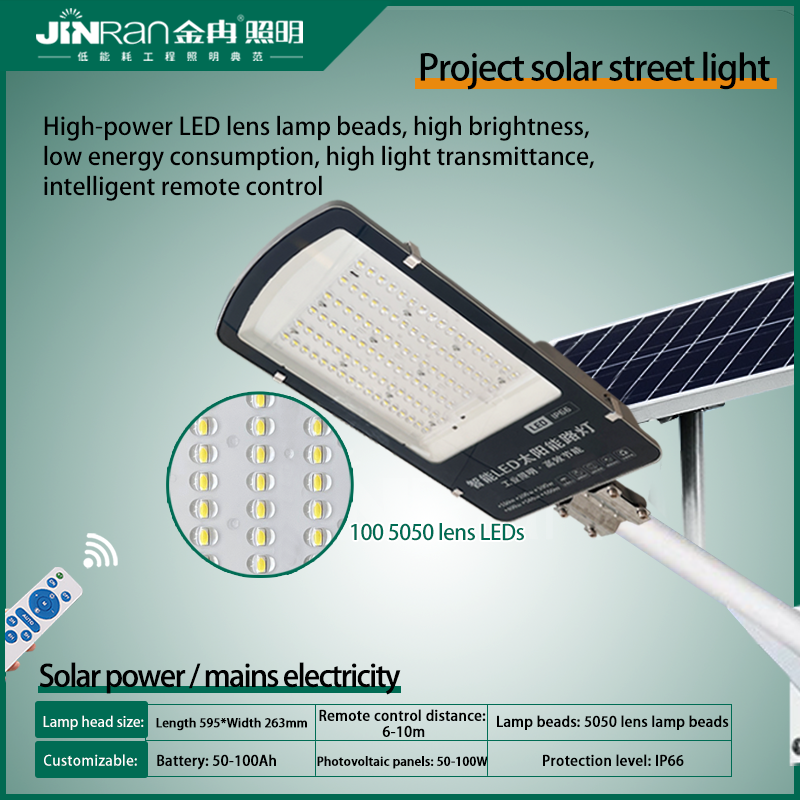
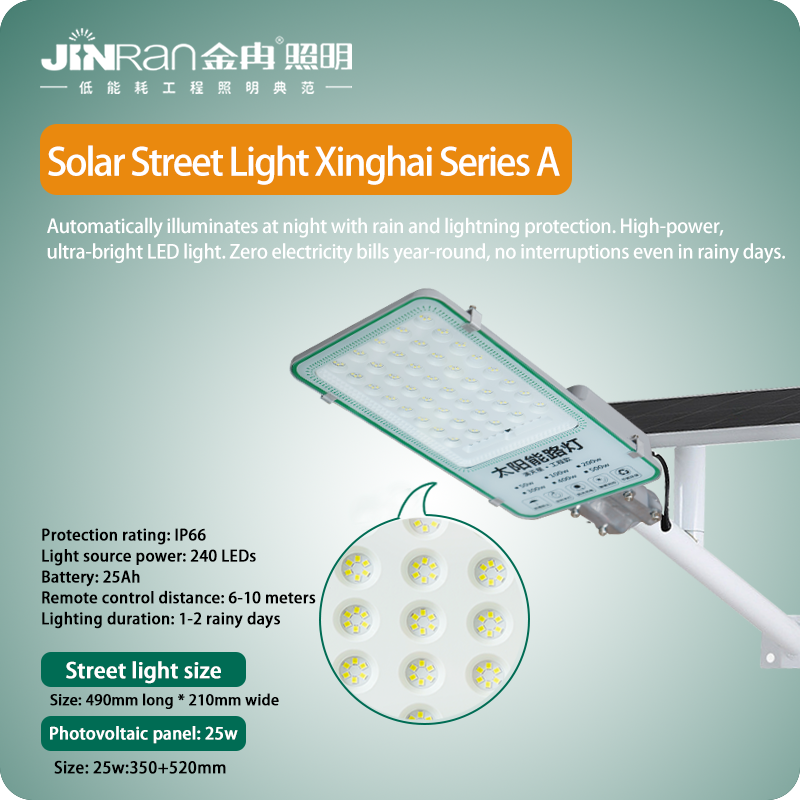
One of the standout features of nano street lights is their exceptional **energy efficiency**. These lights utilize advanced LED technology, which consumes significantly less energy compared to traditional street lighting solutions.
3.1 Comparison with Traditional Street Lighting
The comparison between nano street lights and traditional lights is stark. Traditional street lights, often based on older technologies like sodium vapor or incandescent bulbs, waste a considerable amount of energy through heat dissipation. In contrast, nano street lights provide brighter illumination with lower energy consumption, leading to substantial cost savings for municipalities.
3.2 Sustainability and Reduced Carbon Footprint
The use of energy-efficient nano street lights directly contributes to a **reduced carbon footprint**. By lowering energy consumption, cities can achieve significant reductions in greenhouse gas emissions, supporting global sustainability goals.
4. Enhancing Public Safety Through Smart Technology
Public safety is paramount in urban settings, and smart street lighting significantly contributes to creating safer environments for residents.
4.1 Crime Reduction and Improved Visibility
Well-lit streets are known to deter criminal activity. The **intelligent design** of nano street lights ensures that light is distributed evenly, eliminating dark spots that can be exploited for illicit activities. Enhanced visibility promotes a sense of security among residents.
4.2 Emergency Response Features
Nano street lights can also be equipped with emergency response features. These lights can automatically adjust brightness levels in response to detected movements or emergency situations, ensuring that first responders have adequate illumination when needed.
5. Intelligent Traffic Management and Control
Traffic congestion is a growing challenge in urban areas. Nano street lights incorporate intelligent traffic management features that help optimize traffic flow.
5.1 Integrated Sensors for Real-Time Data
Nano street lights can be outfitted with sensors that collect real-time data on traffic patterns. This data can be used to adjust signal timings, manage traffic flow, and reduce congestion during peak hours.
5.2 Traffic Flow Optimization
By using data collected from nano street lights, cities can implement smart traffic management systems that improve overall traffic efficiency, reducing travel times and emissions from idling vehicles.
6. IoT Connectivity and Urban Infrastructure
The Internet of Things (IoT) plays a crucial role in the functionality of nano street lights. With IoT connectivity, these lights become integral components of the urban infrastructure.
6.1 How IoT Enhances Street Light Functionality
IoT-enabled nano street lights can communicate with other smart devices and systems, facilitating a level of integration that enhances their overall functionality. For instance, they can work in tandem with public transportation systems to provide real-time updates to commuters.
6.2 Future-Proofing Urban Spaces
As cities evolve, the need for adaptable and future-proof infrastructure becomes critical. Nano street lights, with their modular designs and connectivity features, are well-positioned to accommodate future technological advancements, ensuring longevity and relevance.
7. Environmental Benefits of Nano Street Lights
In addition to their functional advantages, nano street lights offer a variety of **environmental benefits**.
7.1 Reduction of Light Pollution
Unlike traditional street lights that can contribute to light pollution, nano street lights can be designed to direct light precisely where it is needed. This targeted illumination helps minimize light pollution, promoting healthier ecosystems and enhancing the visibility of stars at night.
7.2 Promoting Urban Wildlife Health
By reducing light pollution, nano street lights also play a role in protecting urban wildlife. Many species thrive in low-light environments, and by fostering these conditions, cities can support biodiversity within their ecosystems.
8. Conclusion
In conclusion, the emergence of nano street lights marks a significant step forward in urban lighting technology. Their **smart features** not only enhance energy efficiency and public safety but also contribute positively to environmental sustainability. As cities adopt these innovative solutions, they pave the way for improved urban living, making neighborhoods safer, greener, and more enjoyable for all residents.
9. Frequently Asked Questions (FAQs)
1. What are nano street lights?
Nano street lights are advanced lighting solutions designed for urban environments, featuring smart technology that enhances energy efficiency, safety, and traffic management.
2. How do nano street lights improve public safety?
These lights provide better illumination, reducing dark spots that can harbor criminal activity, and can include emergency response features for enhanced safety.
3. Are nano street lights energy-efficient?
Yes, nano street lights utilize LED technology, significantly lowering energy consumption compared to traditional street lighting options.
4. What role does IoT play in nano street lights?
IoT connectivity allows nano street lights to communicate with other devices, improving their functionality and integration into urban infrastructure.
5. How do nano street lights benefit the environment?
They help reduce light pollution and promote a healthier urban ecosystem by providing targeted illumination and supporting urban wildlife.


Contact Jinran
Phone:+86-13793941613
E-Mail:jinranzhaoming@gmail.com
Address:Linyi Hardware City, Jiuqu Street, Hedong District, Linyi City, Shandong Province
Get a Quote