

Project Solar Street Lights vs. Traditional Lighting: A Comprehensive Comparative Analysis
Release time:
Mar 10,2026
Project Solar Street Lights vs. Traditional Lighting: A Comprehensive Comparative Analysis Table of Contents 1. Introduction to Street Lighting Solutions 2. Understanding Solar Street Lights 2.1 How Solar Street Lights Work 2.2 Advantages of Solar Street Lights 2.3 Disadvantages of Solar Street Lights 3. Exploring Traditional Light
Project Solar Street Lights vs. Traditional Lighting: A Comprehensive Comparative Analysis
Table of Contents
- 1. Introduction to Street Lighting Solutions
- 2. Understanding Solar Street Lights
- 2.1 How Solar Street Lights Work
- 2.2 Advantages of Solar Street Lights
- 2.3 Disadvantages of Solar Street Lights
- 3. Exploring Traditional Lighting
- 3.1 How Traditional Lighting Works
- 3.2 Advantages of Traditional Lighting
- 3.3 Disadvantages of Traditional Lighting
- 4. Cost Analysis: Solar vs. Traditional Lighting
- 5. Environmental Impact of Lighting Choices
- 6. Case Studies: Real-World Applications
- 7. The Future of Street Lighting: Trends and Innovations
- 8. Conclusion: Making the Right Choice
- 9. FAQs About Solar Street Lights and Traditional Lighting
1. Introduction to Street Lighting Solutions
Lighting plays a crucial role in enhancing safety, security, and visibility in public spaces. As urban areas grow, the demand for effective street lighting solutions has surged. Two prominent options have emerged in recent years: **solar street lights** and **traditional lighting**. This article provides a comprehensive analysis of these two solutions, helping you make informed decisions for your lighting projects.
2. Understanding Solar Street Lights
Solar street lights harness solar energy, utilizing photovoltaic panels to convert sunlight into electricity. This sustainable approach has gained popularity due to its numerous benefits.
2.1 How Solar Street Lights Work
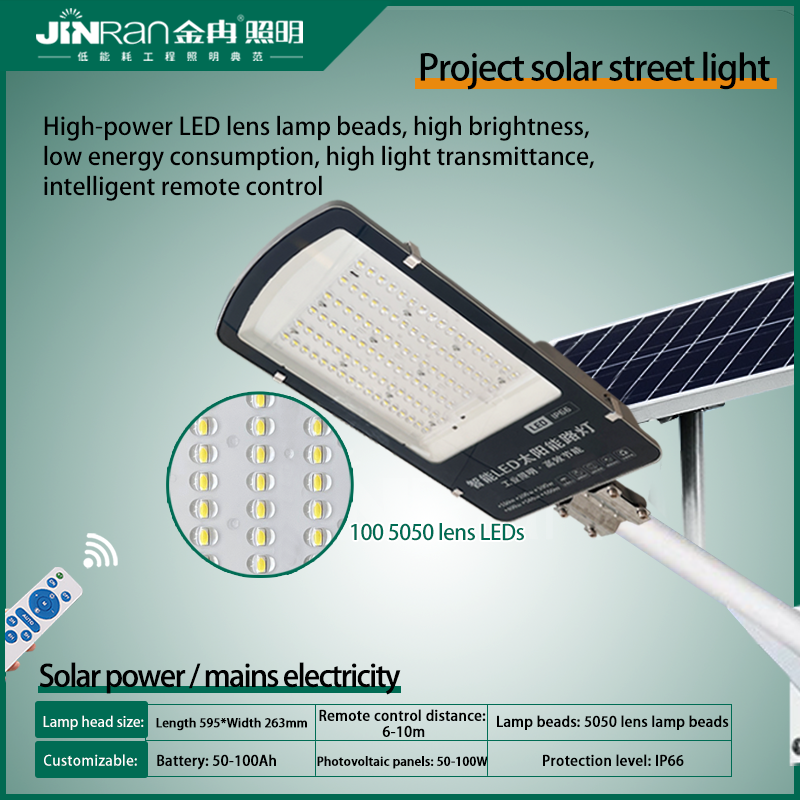
Solar street lights consist of a solar panel, LED light, battery, and an optional motion sensor. During the day, the solar panel absorbs sunlight and converts it into electrical energy, which is stored in the battery. At night, the stored energy powers the LED light, providing illumination without relying on the grid.
2.2 Advantages of Solar Street Lights
- **Cost Savings**: Once installed, solar street lights significantly reduce electricity bills, as they do not draw power from the grid.
- **Easy Installation**: Solar lights require minimal infrastructure and can be installed in remote locations where traditional wiring is impractical.
- **Environmentally Friendly**: Utilizing renewable energy sources, solar street lights reduce carbon emissions and promote sustainability.
- **Low Maintenance**: With fewer moving parts and no wiring, solar street lights require less maintenance than traditional lighting systems.
2.3 Disadvantages of Solar Street Lights
- **Initial Costs**: The upfront cost of solar street lights can be higher than traditional systems due to the technology involved.
- **Weather Dependency**: Performance can be affected by cloudy or rainy weather, potentially leading to inadequate illumination.
- **Battery Life**: Over time, the batteries in solar street lights may require replacement, adding to long-term maintenance costs.
3. Exploring Traditional Lighting
Traditional street lighting typically involves electric fixtures powered by the electrical grid. These systems have been the standard for decades, providing illumination in urban and rural settings.
3.1 How Traditional Lighting Works
Traditional lighting systems use electric power to operate high-intensity discharge (HID) lamps, fluorescent lights, or incandescent bulbs. These lights rely on complex wiring and infrastructure to deliver electricity from power plants to street fixtures.
3.2 Advantages of Traditional Lighting
- **Consistent Performance**: Traditional lighting systems provide reliable illumination regardless of weather conditions or time of year.
- **Lower Initial Investment**: The upfront costs for traditional lighting systems may be lower, particularly in areas with existing electrical infrastructure.
- **Wide Range of Options**: A variety of lighting technologies and fixtures are available, allowing for tailored solutions to meet specific needs.
3.3 Disadvantages of Traditional Lighting
- **High Operational Costs**: Ongoing electricity costs can accumulate over time, resulting in high operational expenses.
- **Environmental Impact**: Traditional street lighting contributes to carbon emissions and energy consumption, impacting sustainability efforts.
- **Maintenance Challenges**: Traditional lighting systems may require frequent servicing, especially in areas prone to vandalism or harsh environmental conditions.
4. Cost Analysis: Solar vs. Traditional Lighting
When evaluating solar street lights and traditional lighting, cost is a critical factor. Here, we will break down the initial investment, operational costs, and long-term benefits.
- **Initial Investment**: Solar street lights often have a higher upfront cost due to advanced technology and equipment. However, traditional systems require extensive wiring and installation, which can lead to significant initial expenses as well.
- **Operational Costs**: Solar street lights incur minimal operational costs, primarily related to maintenance. Traditional lighting systems, on the other hand, have ongoing electricity costs that can add up significantly, especially in areas with high energy prices.
- **Long-Term Savings**: Over time, solar street lights can offer substantial savings due to their low operational costs and reliance on free solar energy. Traditional lighting may require more frequent bulb replacements and repairs, adding to the overall cost.
5. Environmental Impact of Lighting Choices
As society becomes increasingly aware of environmental issues, the sustainability of lighting choices is a significant consideration. Solar street lights, which utilize renewable energy, contribute to reduced carbon footprints and energy consumption. In contrast, traditional lighting systems often rely on fossil fuels and contribute to greenhouse gas emissions.
6. Case Studies: Real-World Applications
Examining real-world applications of both lighting solutions provides valuable insights into their effectiveness and practicality.
- **Solar Street Lights in Urban Areas**: Cities like San Diego have successfully implemented solar street lights in parks and residential areas. These installations offer cost savings and enhanced safety for residents while minimizing environmental impact.
- **Traditional Lighting in Rural Areas**: In some rural communities, traditional street lighting remains essential for providing consistent illumination. However, transitioning to solar solutions is becoming increasingly viable as technology improves and costs decrease.
7. The Future of Street Lighting: Trends and Innovations
The future of street lighting is evolving, with advancements in technology paving the way for innovative solutions. Smart lighting systems that integrate solar technology with IoT (Internet of Things) capabilities are on the rise. These systems can adjust brightness based on pedestrian traffic and environmental conditions, optimizing energy use while enhancing safety.
8. Conclusion: Making the Right Choice
In the debate between solar street lights and traditional lighting, several factors come into play, including cost, environmental impact, and effectiveness. While solar street lights present a sustainable, cost-effective solution for many scenarios, traditional lighting remains a reliable choice in specific contexts. Ultimately, understanding the unique requirements of each project will guide the decision-making process, ensuring optimal outcomes.
9. FAQs About Solar Street Lights and Traditional Lighting
1. How long do solar street lights last?
Most solar street lights have a lifespan of 5 to 7 years, depending on the quality of components and maintenance.
2. Do solar street lights work in winter?
Yes, solar street lights can operate in winter, but their efficiency may be reduced due to shorter daylight hours and potential snow cover on solar panels.
3. What is the average cost of installing solar street lights?
The installation cost for solar street lights typically ranges from $800 to $2,500 per unit, depending on the specific features and technology.
4. Are traditional street lights more reliable than solar lights?
Traditional street lights generally offer consistent performance regardless of weather conditions, making them more reliable in certain situations.
5. How can I maintain solar street lights?
Maintenance for solar street lights primarily involves cleaning the solar panels and checking the battery condition to ensure optimal performance.
By understanding the nuances and implications of each lighting solution, we can make informed decisions that enhance public safety while promoting sustainability.


Contact Jinran
Phone:+86-13793941613
E-Mail:jinranzhaoming@gmail.com
Address:Linyi Hardware City, Jiuqu Street, Hedong District, Linyi City, Shandong Province
Get a Quote