

A Bright Idea: Unveiling the Cost-Effectiveness of Nano Street Lights
Release time:
Mar 02,2026
A Bright Idea: The Cost-Effectiveness of Nano Street Lights Table of Contents 1. Introduction to Nano Street Lights 2. What Are Nano Street Lights? 3. Benefits of Nano Street Lights 3.1 Energy Efficiency 3.2 Longevity and Durability 3.3 Environmental Impact 3.4 Aesthetic Appeal 4. Cost Analysis of Implementing Nano
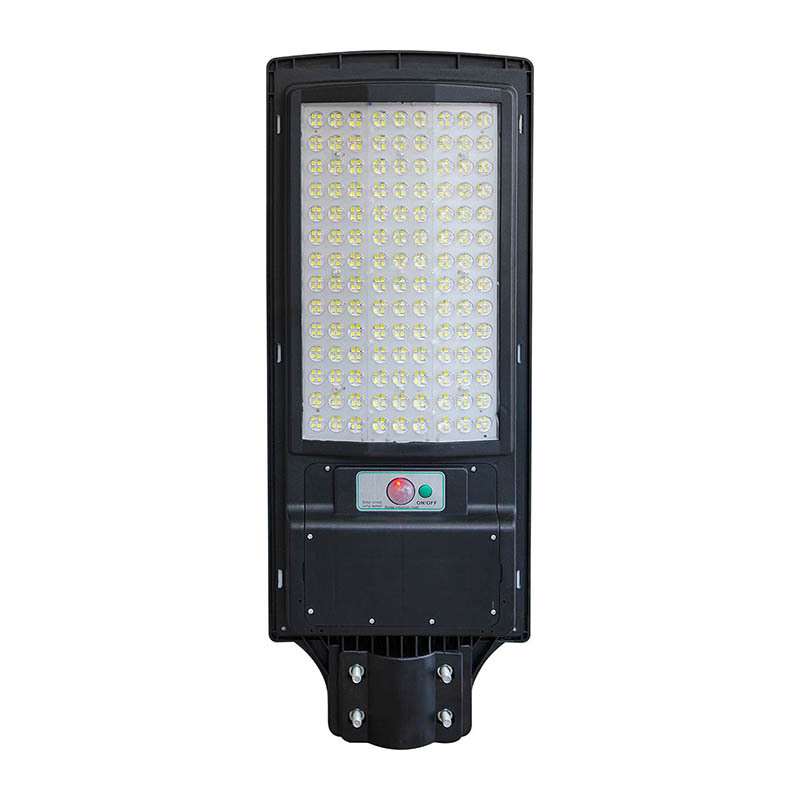
A Bright Idea: The Cost-Effectiveness of Nano Street Lights
Table of Contents
- 1. Introduction to Nano Street Lights
- 2. What Are Nano Street Lights?
- 3. Benefits of Nano Street Lights
- 4. Cost Analysis of Implementing Nano Street Lights
- 5. Case Studies: Success Stories of Nano Street Light Implementation
- 6. The Future of Nano Street Lights
- 7. Frequently Asked Questions
- 8. Conclusion
1. Introduction to Nano Street Lights
In the quest for sustainable urban development, **Nano Street Lights** emerge as a groundbreaking solution. In an age where energy efficiency and cost-effectiveness are paramount, these innovative lighting systems are reshaping how cities illuminate public spaces.
As urban populations continue to grow, traditional street lighting systems face challenges such as high energy consumption, maintenance costs, and environmental impact. This article delves into the **cost-effectiveness of Nano Street Lights**, exploring their benefits, cost analysis, and real-world applications.
2. What Are Nano Street Lights?
**Nano Street Lights** are advanced lighting solutions utilizing **nano-technology** for improved performance and efficiency. Unlike traditional streetlights, which often rely on **high-pressure sodium (HPS)** or **metal halide lamps**, Nano Street Lights leverage **LED technology** combined with smart features.
These lights are designed to optimize energy use while providing superior illumination. With a lifespan that can exceed 50,000 hours, Nano Street Lights significantly reduce the frequency and costs associated with replacements and maintenance.
3. Benefits of Nano Street Lights
The adoption of Nano Street Lights offers a multitude of benefits that extend beyond mere illumination.
3.1 Energy Efficiency
One of the most compelling advantages of Nano Street Lights is their unparalleled **energy efficiency**. Unlike traditional lighting solutions, which convert only a fraction of energy into visible light, Nano Street Lights can achieve efficiencies of up to 90%. This reduction in energy consumption directly correlates to lower electricity bills for municipalities.
The integration of smart sensors further enhances energy savings by adjusting brightness levels based on ambient light conditions or pedestrian traffic. This smart technology not only conserves energy but also contributes to a more sustainable urban lighting strategy.
3.2 Longevity and Durability
The **longevity and durability** of Nano Street Lights are noteworthy features. With a lifespan exceeding 50,000 hours, these lights require fewer replacements compared to traditional streetlights, which typically last around 25,000 hours.
Moreover, Nano Street Lights are constructed from robust materials, making them resistant to harsh weather conditions, vandalism, and other challenges faced by outdoor lighting. This durability translates to significant maintenance savings over time.
3.3 Environmental Impact
The environmental impact of street lighting is a growing concern, especially in urban areas. **Nano Street Lights** address this by minimizing light pollution and reducing greenhouse gas emissions. Their energy-efficient operations lead to decreased demand for power generation, which in turn lowers carbon footprints.
Additionally, many Nano Street Lights are designed with recyclable materials, further contributing to environmentally friendly practices.
3.4 Aesthetic Appeal
Modern cities are increasingly focusing on aesthetics to enhance the urban environment. **Nano Street Lights** come in various designs that can complement the architectural style of cities. With adjustable brightness and color temperatures, these lights can create inviting and visually appealing public spaces, enhancing the overall nighttime ambiance.
4. Cost Analysis of Implementing Nano Street Lights
While the initial investment for Nano Street Lights may be higher than traditional options, the long-term savings and benefits justify the expenditure.
4.1 Initial Investment Breakdown
The initial investment for Nano Street Lights includes the cost of the fixtures, installation, and any necessary infrastructure upgrades. This upfront cost can vary based on factors such as the scale of the project and the specific technology used.
However, considering the energy savings and reduced maintenance costs, municipalities can expect a **return on investment (ROI)** within a few years.
4.2 Long-Term Savings
Long-term savings associated with Nano Street Lights can be categorized into several areas:
- **Energy Bills**: The significant reduction in energy consumption leads to lower electricity bills.
- **Maintenance Costs**: The longevity and durability of these lights reduce the frequency of replacements and repairs.
- **Environmental Compliance**: As cities face stricter environmental regulations, investing in energy-efficient lighting can help avoid fines and promote sustainability.
Overall, the long-term financial benefits of Nano Street Lights far outweigh the initial investment.
5. Case Studies: Success Stories of Nano Street Light Implementation
Numerous cities have successfully implemented Nano Street Lights, showcasing their effectiveness in real-world applications.
**City X** adopted Nano Street Lights across its downtown area, resulting in a 70% reduction in energy costs. The aesthetic improvements led to increased foot traffic, revitalizing local businesses and enhancing community engagement.
**City Y** implemented a smart lighting solution that utilized Nano Street Lights with integrated sensors. This initiative not only saved energy but also improved safety by ensuring well-lit streets during peak hours.
These case studies highlight the transformative potential of Nano Street Lights in urban environments.
6. The Future of Nano Street Lights
The future of Nano Street Lights looks promising as technology continues to advance. Innovations such as **smart city integration**, where street lights are connected to a central system, will allow for real-time monitoring and management of energy consumption.
Furthermore, ongoing research into new materials and technologies may lead to even more efficient lighting solutions, making Nano Street Lights an increasingly attractive option for municipalities worldwide.
7. Frequently Asked Questions
1. How do Nano Street Lights save energy?
Nano Street Lights save energy through high-efficiency LEDs and smart technology that adjusts brightness based on environmental conditions.
2. What is the lifespan of Nano Street Lights?
Nano Street Lights typically last up to 50,000 hours, significantly longer than traditional street lighting options.
3. Are Nano Street Lights environmentally friendly?
Yes, they reduce energy consumption, limit light pollution, and are often made from recyclable materials.
4. What are the initial costs of installing Nano Street Lights?
Initial costs vary based on project scale and specific technology, but municipalities can expect a return on investment through energy savings.
5. Can Nano Street Lights be integrated into smart city initiatives?
Absolutely! Nano Street Lights can be integrated into smart city systems for enhanced management and efficiency.
8. Conclusion
In summary, **Nano Street Lights** represent a transformative advancement in urban lighting solutions. Their cost-effectiveness, energy efficiency, and environmental benefits make them an ideal choice for municipalities looking to modernize their infrastructure.
As cities strive for sustainability and improved public safety, the investment in Nano Street Lights is not only a practical decision but also a forward-thinking strategy that aligns with future urban development goals. Embracing this technology today can pave the way for a brighter, more sustainable tomorrow.


Contact Jinran
Phone:+86-13793941613
E-Mail:jinranzhaoming@gmail.com
Address:Linyi Hardware City, Jiuqu Street, Hedong District, Linyi City, Shandong Province
Get a Quote