

Eco-Friendly Lighting Solutions: Exploring Project Solar Street Lights
Release time:
Feb 18,2026
Eco-Friendly Lighting Solutions: Exploring Project Solar Street Lights Introduction to Eco-Friendly Lighting Solutions In an era where sustainability is paramount, finding eco-friendly lighting solutions has become essential for both urban and rural landscapes. One of the most innovative advancements in this domain is the rise of solar street lights. These lighting fixtures not only provide illumi
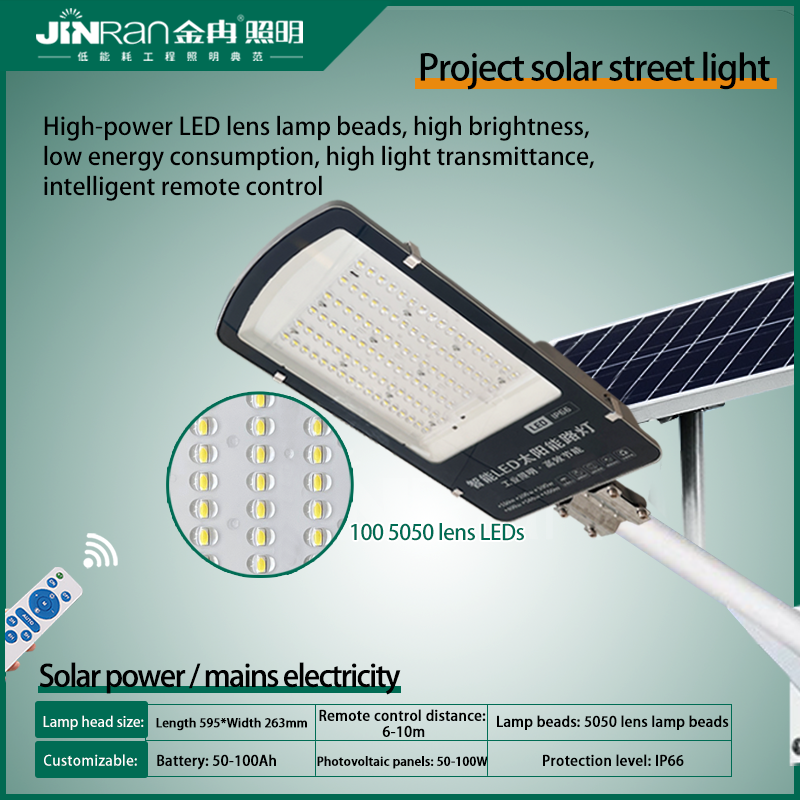
Eco-Friendly Lighting Solutions: Exploring Project Solar Street Lights
Introduction to Eco-Friendly Lighting Solutions
In an era where sustainability is paramount, finding eco-friendly lighting solutions has become essential for both urban and rural landscapes. One of the most innovative advancements in this domain is the rise of solar street lights. These lighting fixtures not only provide illumination but also harness renewable energy, contributing to a greener planet. This article will explore the intricate details of Project Solar Street Lights, elucidating their benefits, technology, and practical implementations.
The Need for Sustainable Lighting Solutions
Environmental Impact of Traditional Street Lighting
Traditional street lighting systems primarily rely on grid electricity, which often comes from fossil fuels. This dependence results in high carbon emissions, significantly contributing to climate change. In addition, the continuous energy consumption places a burden on electrical grids, leading to increased operational costs and environmental degradation.
Benefits of Eco-Friendly Lighting
Switching to eco-friendly lighting solutions, such as solar street lights, presents numerous advantages:
- **Reduced Carbon Footprint**: Solar street lights operate on renewable energy, significantly lowering greenhouse gas emissions.
- **Energy Efficiency**: With no reliance on the electrical grid, these systems reduce energy costs for municipalities and homeowners alike.
- **Low Maintenance Costs**: Solar lights have minimal moving parts and longer lifespans, leading to reduced maintenance needs.
- **Enhanced Safety**: Improved lighting can increase safety in public spaces, reducing crime rates and accidents.
Understanding Solar Street Lights
What Are Solar Street Lights?
Solar street lights are lighting systems equipped with solar panels, batteries, and energy-efficient LED lights. They collect sunlight during the day, converting it into electricity, which is then stored in batteries for use at night. This self-sustaining functionality allows them to operate independently of the power grid.
Components of Solar Street Lights
1. **Solar Panels**: These are the backbone of any solar street light, converting sunlight into electrical energy.
2. **LED Lights**: Highly efficient and long-lasting, LED lights provide superior illumination while consuming minimal power.
3. **Batteries**: These store the energy generated during the day, ensuring the lights function reliably during the night.
4. **Controller**: This component manages the battery charging and discharging processes, optimizing performance.
The Technology Behind Solar Street Lights
Solar Panel Technology
Modern solar street lights utilize photovoltaic (PV) technology to convert sunlight into electricity. The efficiency of solar panels has dramatically improved over recent years, allowing for more energy production even in low-light conditions.
Battery Storage Solutions
Lithium-ion batteries are commonly used in solar street lights due to their high energy density, long lifespan, and low self-discharge rates. This technology enables these lights to operate efficiently for extended hours, even on overcast days.
Smart Lighting Features
Many solar street lights now come equipped with smart technology, enabling features such as motion detection, dimming capabilities, and remote management. This means that the lights can adjust their brightness based on pedestrian traffic, further enhancing energy efficiency.
Applications of Solar Street Lights
Urban Environments
In bustling urban settings, solar street lights are increasingly being adopted as part of city beautification projects. They enhance street aesthetics while providing necessary illumination in parks, sidewalks, and bike paths.
Rural Areas and Remote Locations
For rural communities and areas lacking infrastructure, solar street lights offer an affordable and efficient solution. They illuminate roads and pathways, improving safety and accessibility without the need for extensive wiring and installation.
Corporate and Industrial Uses
Businesses and industries are also recognizing the value of solar street lights in parking lots and facility perimeters. Not only do these lights reduce energy costs, but they also reflect a commitment to sustainability, improving the company’s public image.
Advantages of Implementing Solar Street Lights
Cost-Effectiveness
While the initial investment for solar street lights may be higher than traditional lighting, the long-term savings are substantial. Reduced electricity bills, lower maintenance costs, and potential government incentives make solar lighting a financially savvy choice.
Environmental Benefits
Solar street lights contribute to a healthier planet by harnessing renewable energy. They offer a solution to light public spaces without depleting natural resources, effectively fighting climate change.
Enhanced Safety and Visibility
The use of LED technology ensures that solar street lights provide bright, white light, improving visibility in public areas. This enhanced illumination contributes to increased safety for pedestrians and reduces the likelihood of accidents and crime.
Challenges and Solutions
Initial Costs and Investment
One of the primary challenges facing solar street light adoption is the upfront investment required. To overcome this, municipalities can seek grants and funding opportunities that promote green initiatives, making it easier to finance these projects.
Weather Dependency
While solar street lights are efficient, they are dependent on sunlight for energy. However, advancements in battery technology are addressing this issue, allowing for better performance even in cloudy regions.
Public Perception and Acceptance
Educating the public about the benefits of solar street lights can help improve acceptance and encourage more widespread adoption. Demonstration projects and community awareness campaigns can effectively showcase their advantages.
Case Studies: Successful Implementations of Solar Street Lights
City of San Diego, California
San Diego has embraced solar street lighting in various neighborhoods, significantly reducing energy costs and enhancing public safety. The city’s commitment to sustainability has inspired other municipalities to follow suit.
Remote Communities in Africa
In several rural areas of Africa, solar street lights have transformed communities by providing reliable lighting where there was none. This improvement has led to increased economic activity and enhanced safety for residents.
Corporate Campuses
Many corporations are installing solar street lights on their campuses to promote sustainability. This move not only reduces energy costs but also improves the working environment for employees.
The Future of Solar Street Lights
Innovations on the Horizon
The future of solar street lights looks promising with ongoing advancements in technology. Innovations such as integrated sensors, smart city connectivity, and enhanced solar panel efficiency will further enhance their viability and effectiveness.
Broader Adoption and Policy Changes
As awareness grows, more cities are likely to adopt solar street lights as part of their infrastructure. Policy changes that incentivize renewable energy solutions can drive this trend, making solar street lighting a standard choice for urban planning.
Conclusion
Solar street lights symbolize a significant step towards sustainable urban development. By harnessing renewable energy, these lights not only brighten our streets but also contribute to a healthier planet. As technology continues to advance and public awareness increases, the widespread adoption of solar street lights will play a crucial role in creating greener, safer, and more efficient urban environments.
Frequently Asked Questions (FAQs)
1. How do solar street lights work?
Solar street lights operate by converting sunlight into electricity through solar panels. This energy is stored in batteries and used to power LED lights at night.
2. What are the advantages of using solar street lights?
Solar street lights offer reduced energy costs, lower carbon footprints, improved safety, and low maintenance requirements.
3. Are solar street lights effective in cloudy regions?
Yes, advancements in battery technology allow solar street lights to perform adequately even in cloudy conditions, as they can store energy generated during sunny days.
4. What is the lifespan of solar street lights?
The lifespan of solar street lights can vary, but with proper maintenance, they can last between 10 to 25 years.
5. Are there any government incentives for installing solar street lights?
Many governments offer grants, tax incentives, and subsidies for renewable energy projects, including solar street lights, to promote sustainable initiatives.
In summary, solar street lights present a compelling solution to the urgent need for sustainable lighting in our communities. By adopting these innovative systems, we can illuminate our streets while taking significant steps towards protecting the environment.



Contact Jinran
Phone:+86-13793941613
E-Mail:jinranzhaoming@gmail.com
Address:Linyi Hardware City, Jiuqu Street, Hedong District, Linyi City, Shandong Province
Get a Quote