

The Environmental Impact of Switching to Nano Street Lights: A Sustainable Future for Urban Lighting
Release time:
Jan 18,2026
The Environmental Impact of Switching to Nano Street Lights In recent years, cities worldwide have recognized the importance of sustainable practices, particularly in urban lighting. The transition to **nano street lights** offers a compelling solution to environmental challenges posed by traditional lighting. This article delves into the various environmental impacts of adopting nano street light
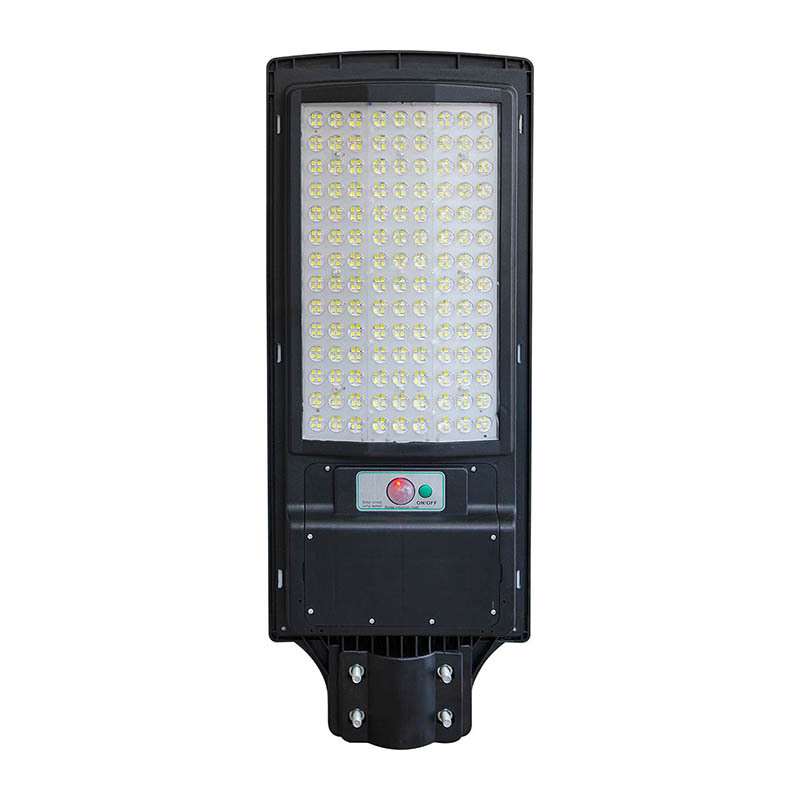
The Environmental Impact of Switching to Nano Street Lights
In recent years, cities worldwide have recognized the importance of sustainable practices, particularly in urban lighting. The transition to **nano street lights** offers a compelling solution to environmental challenges posed by traditional lighting. This article delves into the various environmental impacts of adopting nano street lights, exploring their benefits, functionalities, and long-term viability.
Understanding Nano Street Lights
Nano street lights incorporate cutting-edge technology, utilizing nanomaterials to enhance efficiency and performance. These lights are designed to emit brighter light while consuming significantly less energy, making them an attractive alternative to conventional street lighting solutions.
What are Nano Materials?
Nano materials are substances engineered at the nanoscale, typically between 1 to 100 nanometers. Their unique properties allow for improved functionality and performance in various applications, including lighting.
Key Features of Nano Street Lights
1. **Energy Efficiency**: Nano street lights consume less power than traditional LED or incandescent lamps, dramatically reducing energy bills for municipalities.
2. **Longevity**: With lifespans often exceeding 50,000 hours, nano street lights require less frequent replacements, reducing waste and maintenance costs.
3. **Enhanced Brightness**: These lights offer superior illumination, improving safety and visibility in urban areas.
4. **Reduced Light Pollution**: Nano street lights can be designed to minimize glare and light spill, promoting healthier nighttime environments for both humans and wildlife.
The Environmental Benefits of Nano Street Lights
Switching to nano street lights yields several environmental benefits that contribute to a sustainable urban landscape.
Reduction in Carbon Footprint
One of the most significant advantages of nano street lights is their ability to lower carbon emissions. By consuming less energy, these lights reduce the overall demand on power plants, which often rely on fossil fuels. This reduction in energy consumption is crucial for combating climate change and minimizing greenhouse gas emissions.
Decreased Light Pollution
Light pollution adversely impacts ecosystems, disrupting wildlife behaviors and human circadian rhythms. Nano street lights can be engineered to direct light where it is needed, minimizing unnecessary illumination in areas where it could harm nocturnal wildlife. This targeted lighting approach fosters healthier ecosystems while maintaining safety and visibility for urban residents.
Lower Resource Consumption
By extending the lifespan of street lighting and reducing the frequency of replacements, communities can conserve resources. This conservation extends to manufacturing processes, transportation, and waste management, ultimately leading to a more sustainable urban infrastructure.
Economic Impacts of Transitioning to Nano Street Lights
Aside from environmental considerations, the economic impacts of transitioning to nano street lights are noteworthy.
Cost Savings for Municipalities
The initial investment in nano street lights may be higher than traditional lighting options, but the long-term savings are significant. Lower energy bills, reduced maintenance costs, and fewer replacements lead to substantial financial benefits over time. This makes transitioning to nano technology an economically sound choice for city budgets.
Job Creation in Green Technology
The shift towards nano street lights can stimulate job growth in green technology sectors. As demand for sustainable lighting solutions increases, so too does the need for skilled workers in manufacturing, installation, and maintenance.
Challenges and Considerations in Implementation
While the benefits of nano street lights are compelling, several challenges must be addressed for successful implementation.
Initial Cost and Investment
The upfront costs associated with the installation of nano street lights can be a barrier for many municipalities. However, various financing options and incentives are available to promote adoption.
Public Acceptance and Perception
Educating the public about the benefits of nano street lights is essential for gaining acceptance. Communities must understand that the transition to nano technology is not merely about aesthetics, but about fostering a healthier environment and improving quality of life.
Case Studies: Successful Implementations of Nano Street Lights
Several cities have successfully implemented nano street lights, showcasing their benefits and effectiveness.
City A: A Model of Sustainability
City A transitioned to nano street lights as part of a broader sustainability initiative. The city reported a 50% reduction in energy consumption, translating to substantial cost savings. Additionally, residents noted improved visibility and reduced light pollution in residential areas.
City B: Enhancing Public Safety
After deploying nano street lights, City B experienced a significant decrease in nighttime crime rates. The brighter, more efficient lighting increased visibility, making public spaces safer for residents and visitors alike.
Future Innovations in Street Lighting Technology
As technology continues to evolve, the future of street lighting promises exciting developments.
Smart Lighting Solutions
Integrating smart technology into nano street lights can further enhance their benefits. Smart lighting systems can adjust brightness based on traffic patterns, occupancy, and environmental conditions, optimizing energy use while maintaining safety.
Integration with Renewable Energy Sources
Combining nano street lights with renewable energy solutions, such as solar panels, can create self-sustaining lighting systems. This integration not only reduces reliance on the grid but also enhances the overall sustainability of urban environments.
FAQs About Nano Street Lights and Their Environmental Impact
1. What are the main advantages of nano street lights over traditional street lights?
Nano street lights are more energy-efficient, have longer lifespans, and reduce light pollution compared to traditional lighting options.
2. How do nano street lights contribute to environmental sustainability?
They lower carbon emissions, decrease resource consumption, and minimize light pollution, all contributing to a healthier environment.
3. What is the average lifespan of a nano street light?
Nano street lights typically last over 50,000 hours, significantly longer than most traditional lighting solutions.
4. Are there any drawbacks to switching to nano street lights?
Initial costs may be higher, and public acceptance is essential for successful implementation. However, long-term savings and environmental benefits often outweigh these challenges.
5. Can nano street lights be integrated with smart technology?
Yes, integrating smart technology can enhance nano street lights' functionality, optimizing energy use and improving public safety.
Conclusion: A Brighter, Greener Future with Nano Street Lights
The transition to nano street lights presents an opportunity for cities to embrace sustainability while enhancing public safety and reducing costs. By minimizing their carbon footprint and decreasing light pollution, nano street lights pave the way for a brighter and greener urban future. As municipalities explore innovative lighting solutions, the adoption of nano technology holds the potential to transform urban landscapes, benefiting both residents and the environment. Embracing this change is not just a choice; it’s a necessary step toward sustainable urban living.

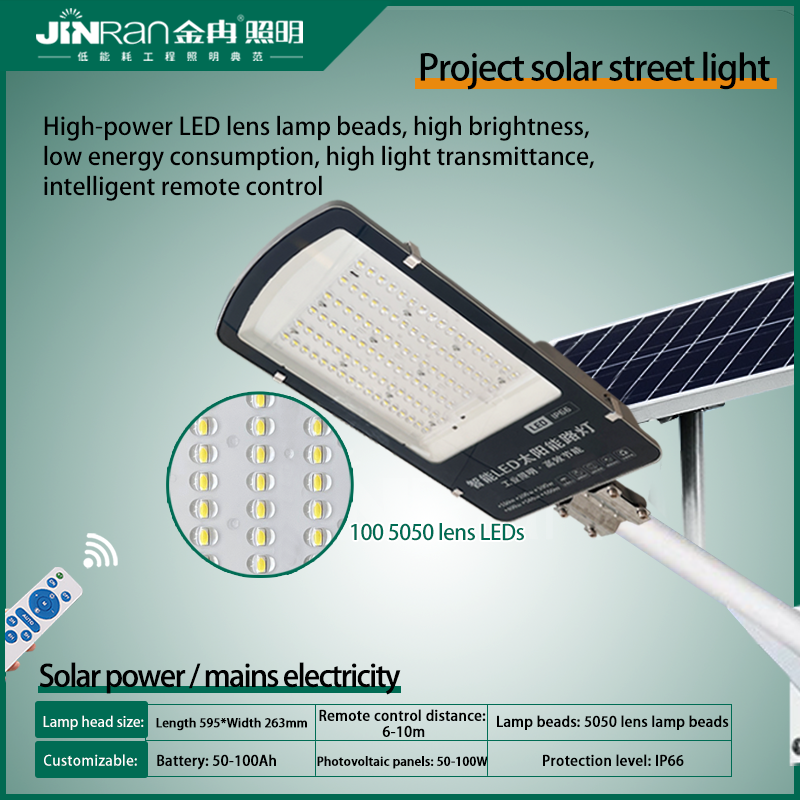
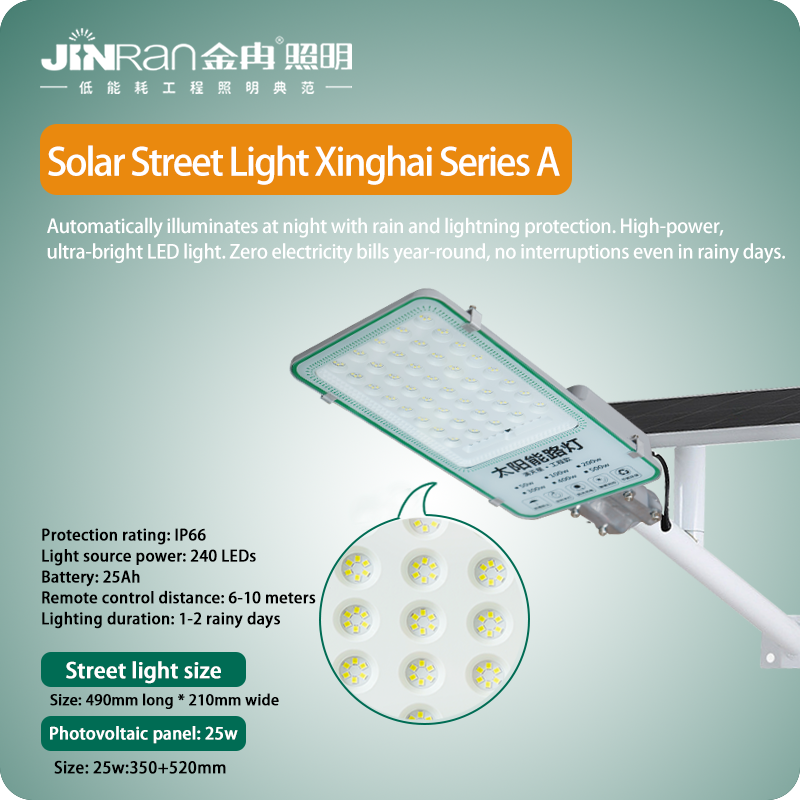

Contact Jinran
Phone:+86-13793941613
E-Mail:jinranzhaoming@gmail.com
Address:Linyi Hardware City, Jiuqu Street, Hedong District, Linyi City, Shandong Province
Get a Quote