

Why Choose Project Solar Street Lights for Sustainable Urban Development?
Release time:
Dec 14,2025
Why Choose Project Solar Street Lights for Sustainable Urban Development? Introduction to Solar Street Lights In the quest for sustainable urban development, **solar street lights** have emerged as a beacon of innovation. These **eco-friendly lighting solutions** harness solar energy, significantly reducing dependence on conventional power sources. But why should urban planners and municipalities
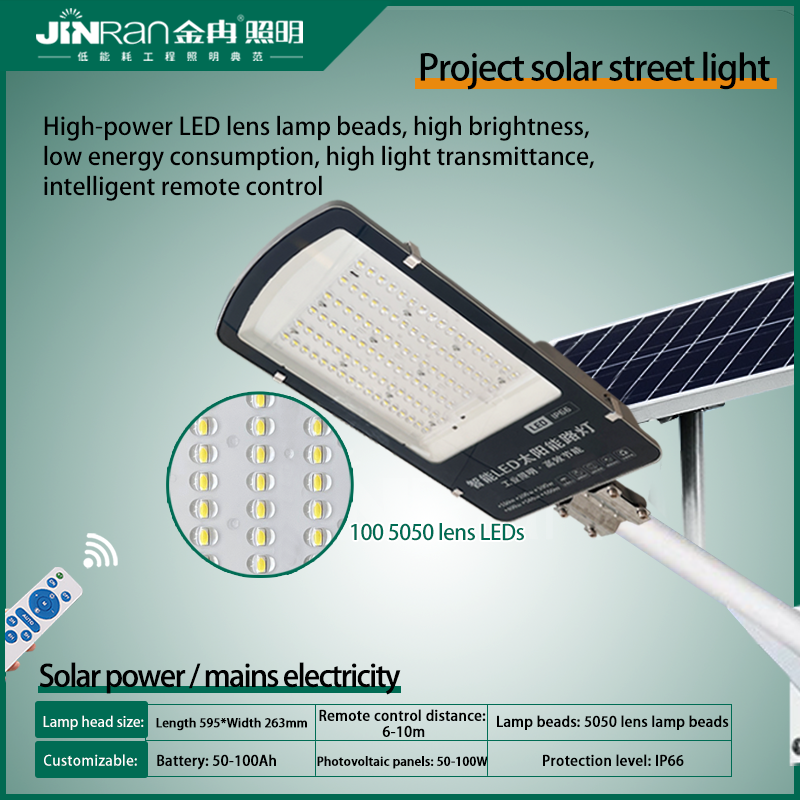
Why Choose Project Solar Street Lights for Sustainable Urban Development?
Introduction to Solar Street Lights
In the quest for sustainable urban development, **solar street lights** have emerged as a beacon of innovation. These **eco-friendly lighting solutions** harness solar energy, significantly reducing dependence on conventional power sources. But why should urban planners and municipalities consider adopting this technology? This article delves deeply into the multifaceted benefits of Project Solar Street Lights and their role in fostering sustainable cities.
The Importance of Sustainable Urban Development
Urban areas globally are grappling with challenges such as pollution, rising energy costs, and the need for efficient waste management. Sustainable urban development seeks to address these issues by promoting practices that ensure long-term ecological balance. Incorporating **solar street lights** into urban planning is a strategic move towards achieving these goals.
Defining Solar Street Lights
Solar street lights consist of a solar panel, LED light fixture, battery, and a controller. The solar panel collects sunlight during the day and converts it into electricity, which is stored in the battery for nighttime use. This technology can significantly enhance urban lighting while minimizing carbon footprints.
Understanding the Benefits of Solar Street Lights
1. **Cost Efficiency**: By utilizing solar energy, municipalities can drastically reduce their electricity bills. Solar street lights require minimal maintenance, and their initial installation costs can be recouped within a few years through energy savings.
2. **Environmental Impact**: Solar street lights contribute to reduced carbon emissions. By relying on renewable energy, cities can significantly lower their ecological footprint, aligning with global efforts to combat climate change.
3. **Enhanced Safety and Security**: Proper lighting is crucial for urban safety. Solar street lights improve visibility in public spaces, discouraging criminal activities and enhancing the safety of pedestrians and cyclists.
4. **Energy Independence**: Implementing solar street lighting reduces reliance on traditional power grids. This is particularly advantageous for remote areas where extending the power grid is impractical or too expensive.
5. **Versatility and Aesthetic Appeal**: Solar street lights come in various designs, making it easy to integrate them into different urban aesthetics. They can be installed in parks, streets, and other public areas without compromising the environment.
Key Features of Project Solar Street Lights
1. Smart Technology Integration
Modern solar street lights often incorporate smart technology, enabling features such as motion sensors and dimming capabilities. These features optimize energy usage and enhance security by adjusting brightness based on activity levels.
2. Durability and Low Maintenance
Manufactured with high-quality materials, solar street lights are designed to withstand harsh weather conditions. With minimal maintenance requirements, municipalities benefit from long-term reliability and lower operational costs.
3. Quick and Easy Installation
Unlike traditional street lights that require extensive electrical infrastructure, solar street lights can be installed quickly. They require no wiring to the grid, which simplifies deployment in urban areas.
4. Customizable Solutions
Project Solar offers customizable lighting solutions tailored to the specific needs of a municipality. This adaptability ensures that each installation effectively meets the demands of its environment.
Case Studies: Successful Implementation of Solar Street Lights
1. City of Los Angeles, California
Los Angeles has led the way in adopting solar street lights as part of its initiative to promote renewable energy. The city has installed thousands of solar street lights, significantly reducing energy consumption and improving public safety in neighborhoods.
2. Nairobi, Kenya
In Nairobi, solar street lights have transformed previously dark and unsafe areas into vibrant community spaces. This initiative not only improves safety but also encourages local businesses that benefit from increased foot traffic.
3. Melbourne, Australia
Melbourne's investment in solar street lights has demonstrated a commitment to sustainability. The project has reduced the city's reliance on the grid while providing reliable lighting in public parks, enhancing both safety and community engagement.
Challenges and Considerations
1. Initial Investment
While the long-term savings are significant, the initial investment for solar street lights can be a barrier for some municipalities. It is essential to conduct a comprehensive cost-benefit analysis to justify the expenditure.
2. Geographic Limitations
The effectiveness of solar street lights is highly dependent on geographical location and climate. Areas with limited sunlight may not benefit as much from solar technology, necessitating hybrid solutions that combine solar with traditional power sources.
3. Technological Advancements
As technology continues to evolve, staying updated with the latest innovations in solar street lighting is crucial. Municipalities must ensure they invest in cutting-edge technology to maximize efficiency and sustainability.
Conclusion
Choosing **Project Solar Street Lights** is a significant step towards achieving **sustainable urban development**. With their myriad benefits—including cost savings, environmental impact reduction, and improved safety—these innovative lighting solutions provide a comprehensive answer to many of today’s urban challenges. As cities worldwide strive to become more sustainable, embracing solar technology is not just a choice; it is a necessity for a greener, safer future.
FAQs About Solar Street Lights
1. How do solar street lights work?
Solar street lights operate by collecting sunlight through solar panels, converting it into electricity, and storing it in batteries for nighttime use.
2. Are solar street lights cost-effective?
Yes, while the initial investment can be high, the long-term savings on electricity bills and maintenance costs make solar street lights a cost-effective solution.
3. Can solar street lights work in cloudy areas?
Solar street lights can still function in cloudy conditions, although their efficiency may be reduced compared to sunnier regions. Hybrid systems can provide additional power when needed.
4. What maintenance do solar street lights require?
Solar street lights require minimal maintenance, usually involving periodic cleaning of the solar panels and battery checks to ensure optimal functionality.
5. How long do solar street lights last?
Typically, solar street lights have a lifespan of about 5 to 7 years, depending on the quality of materials used and environmental conditions. Regular maintenance can extend their lifespan further.
By understanding the full scope of benefits and considerations of Project Solar Street Lights, municipalities can make informed decisions that contribute significantly to sustainable urban development.

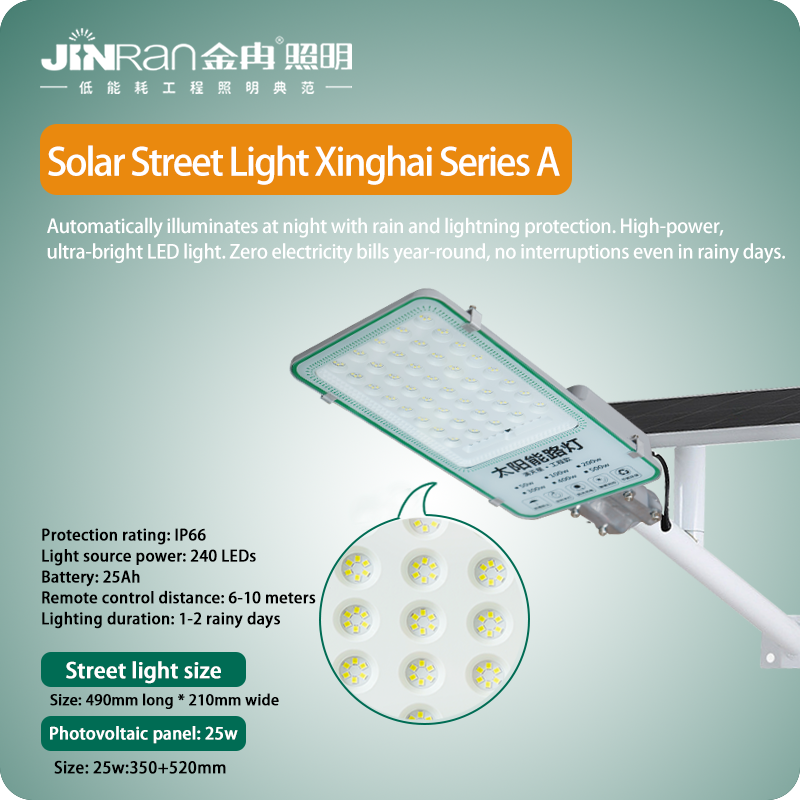

Contact Jinran
Phone:+86-13793941613
E-Mail:jinranzhaoming@gmail.com
Address:Linyi Hardware City, Jiuqu Street, Hedong District, Linyi City, Shandong Province
Get a Quote