

The Future of Outdoor Lighting: Project Solar Street Light Innovations
Release time:
Nov 25,2025
The Future of Outdoor Lighting: Project Solar Street Light Innovations Table of Contents 1. Introduction to Solar Street Lights 2. Importance of Outdoor Lighting in Urban Areas 3. Key Benefits of Solar Street Lighting Innovations 4. Technological Advancements in Solar Street Lighting 4.1 Smart Technology Integration 4.2 Energy Storage Solutions
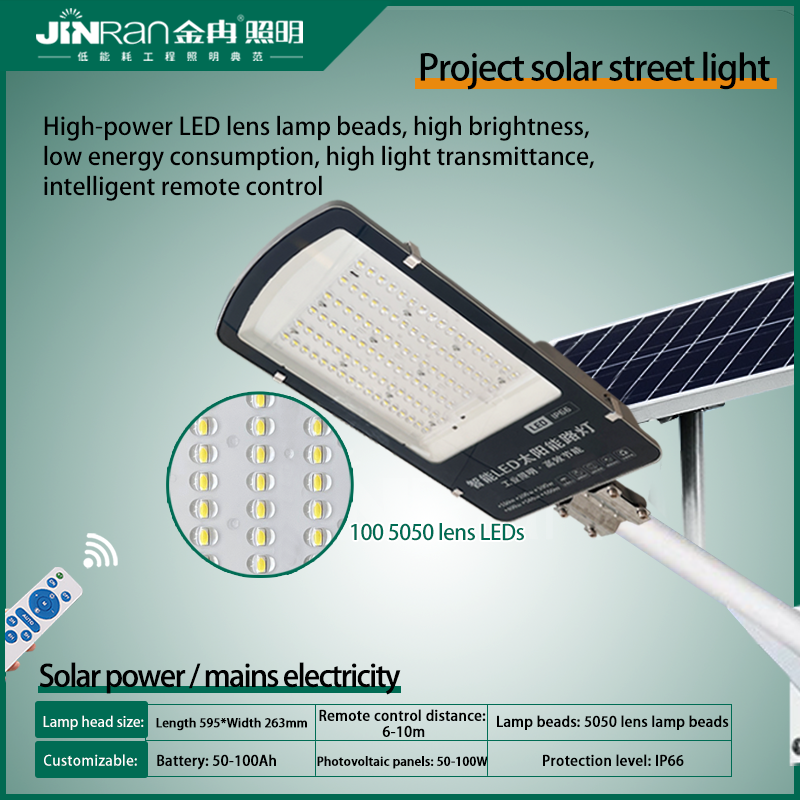
The Future of Outdoor Lighting: Project Solar Street Light Innovations
Table of Contents
- 1. Introduction to Solar Street Lights
- 2. Importance of Outdoor Lighting in Urban Areas
- 3. Key Benefits of Solar Street Lighting Innovations
- 4. Technological Advancements in Solar Street Lighting
- 4.1 Smart Technology Integration
- 4.2 Energy Storage Solutions
- 4.3 Sustainability and Environmental Impact
- 5. Design Trends in Solar Street Lighting
- 6. Successful Case Studies of Solar Street Light Projects
- 7. Future Trends in Solar Street Lighting
- 8. Frequently Asked Questions (FAQs)
- 9. Conclusion
1. Introduction to Solar Street Lights
Solar street lights have emerged as a transformative solution in outdoor lighting, harnessing the sun's energy to illuminate public spaces efficiently and sustainably. These innovative lighting systems not only enhance visibility but also contribute significantly to reducing energy costs and environmental impact. As urban areas continue to grow, the need for reliable, eco-friendly lighting solutions becomes paramount. This article delves into the future of outdoor lighting through solar street light innovations, examining their benefits, technological advancements, and design trends.
2. Importance of Outdoor Lighting in Urban Areas
Outdoor lighting plays a critical role in urban environments, impacting safety, aesthetics, and functionality. Well-lit streets and public spaces deter crime, encourage social interaction, and enhance the overall quality of life for residents. Furthermore, effective outdoor lighting promotes economic activity by extending usable hours for businesses and recreational spaces. As cities evolve, the integration of sustainable lighting solutions becomes essential to address both environmental concerns and the growing demand for smart city infrastructures.
3. Key Benefits of Solar Street Lighting Innovations
The adoption of solar street lighting systems offers numerous advantages over traditional lighting technologies. These benefits include:
3.1 Energy Efficiency
Solar street lights utilize photovoltaic panels to convert sunlight into electricity. This renewable energy source significantly reduces reliance on fossil fuels, leading to lower greenhouse gas emissions. By operating independently from the grid, solar street lights also mitigate the risks associated with power outages.
3.2 Cost Savings
Although the initial investment in solar street lighting may be higher than conventional lighting, the long-term savings are substantial. Reduced energy bills, minimal maintenance costs, and the elimination of electricity usage translate to significant financial benefits for municipalities and property owners.
3.3 Enhanced Safety
Solar street lights improve visibility during nighttime hours, making public spaces safer for pedestrians and cyclists. By providing consistent illumination, these lights help prevent accidents and deter criminal activity, fostering a sense of security in communities.
3.4 Environmental Impact
By harnessing renewable energy, solar street lights contribute to environmental sustainability. They help reduce carbon footprints and minimize the ecological disruption associated with conventional lighting infrastructure.
4. Technological Advancements in Solar Street Lighting
Innovations in solar street lighting technology are revolutionizing the industry, making these systems more efficient, durable, and user-friendly. Key advancements include:
4.1 Smart Technology Integration
Modern solar street lights are increasingly equipped with smart technology, allowing for remote monitoring and management. This integration enables municipalities to collect data on energy usage, identify maintenance needs, and remotely control lighting levels based on real-time conditions. Features such as motion sensors and adaptive lighting adjust brightness levels according to pedestrian and vehicular traffic, further enhancing energy efficiency.
4.2 Energy Storage Solutions
Innovations in battery technology have significantly improved the performance and longevity of solar street lights. Advanced energy storage systems, such as lithium-ion batteries, allow these lights to store excess energy generated during the day for use during nighttime hours. This capability ensures reliable operation even in overcast conditions or during extended periods of inclement weather.
4.3 Sustainability and Environmental Impact
Solar street lights are designed with sustainability in mind, often utilizing environmentally friendly materials and production processes. The development of recyclable components, such as LED lights and aluminum housings, further reduces the environmental impact. Additionally, some models integrate solar panels made from recycled materials, promoting a circular economy.
5. Design Trends in Solar Street Lighting
The design of solar street lights has evolved to meet the growing demand for aesthetically pleasing and functional outdoor illumination solutions. Current design trends include:
5.1 Sleek and Modern Aesthetics
Modern solar street lights feature streamlined designs that blend seamlessly into urban landscapes. Sleek lines, minimalistic forms, and various color options allow for greater customization, ensuring that these lights enhance the visual appeal of public spaces.
5.2 Versatile Mounting Options
Innovative mounting solutions enable solar street lights to be installed in diverse environments, including parks, bike paths, and parking lots. Flexible designs incorporate pole-mounted, wall-mounted, and even integrated options that allow for easy installation in various settings.
5.3 Integrated Features
Contemporary solar street lights often incorporate additional features such as Wi-Fi hotspots, USB charging ports, and surveillance cameras. These integrated elements provide added value to communities, transforming solar street lights into multifunctional urban assets.
6. Successful Case Studies of Solar Street Light Projects
Several cities around the world have successfully implemented solar street lighting projects, showcasing the technology's benefits and potential. Here are a few notable examples:
6.1 San Diego, California
San Diego has embraced solar street lighting as part of its commitment to sustainability. The city installed over 3,000 solar street lights, reducing energy costs by more than $1 million annually while improving nighttime visibility in neighborhoods.
6.2 Nairobi, Kenya
In Nairobi, solar street lights have been deployed to enhance safety and promote economic activity in informal settlements. The project has led to increased foot traffic and business opportunities, demonstrating the positive impact of solar lighting on local communities.
6.3 Melbourne, Australia
Melbourne's solar street lighting initiative has successfully integrated smart technology to optimize energy usage. The city has reported a 50% reduction in energy consumption, furthering its commitment to sustainability and smart city development.
7. Future Trends in Solar Street Lighting
As technology continues to advance, the future of solar street lighting looks promising. Key trends to watch include:
7.1 Enhanced Battery Technologies
Ongoing research into battery technologies, including solid-state and flow batteries, could lead to even more efficient energy storage solutions for solar street lights. These advancements will enhance performance, reliability, and lifespan.
7.2 Integration with Smart Cities
The integration of solar street lights into broader smart city initiatives will become increasingly prevalent. As cities adopt smart grids and IoT technologies, solar street lighting systems will play a critical role in data collection, energy management, and urban planning.
7.3 Expansion into Rural Areas
Solar street lights present an ideal solution for rural and remote areas lacking access to traditional electrical infrastructure. As technology becomes more affordable, the deployment of solar street lighting in these regions will enhance safety and connectivity.
8. Frequently Asked Questions (FAQs)
8.1 How do solar street lights work?
Solar street lights operate by converting sunlight into electricity using photovoltaic panels. This energy is stored in batteries and used to power LED lights during nighttime hours.
8.2 What are the maintenance requirements for solar street lights?
Solar street lights typically require minimal maintenance. Regular cleaning of the solar panels and occasional battery checks are usually sufficient to ensure optimal performance.
8.3 Are solar street lights cost-effective?
While the initial investment may be higher than traditional street lighting, solar street lights lead to significant long-term savings in energy and maintenance costs.
8.4 Can solar street lights work during cloudy weather?
Yes, solar street lights can still function during cloudy weather as they store excess energy generated during sunny days. Advanced battery technology ensures consistent operation even in less-than-ideal conditions.
8.5 How do solar street lights contribute to sustainability?
Solar street lights utilize renewable energy, reducing carbon emissions and dependence on fossil fuels. Their eco-friendly materials further enhance their sustainability.
9. Conclusion
The future of outdoor lighting is increasingly bright, thanks to innovations in solar street lighting technology. These systems not only provide efficient and sustainable illumination for urban environments but also enhance safety, aesthetics, and economic activity. As cities continue to evolve towards smart, sustainable solutions, solar street lights will play a pivotal role in shaping the urban landscape of tomorrow, proving that the integration of technology and sustainability can illuminate a path toward a greener future.



Contact Jinran
Phone:+86-13793941613
E-Mail:jinranzhaoming@gmail.com
Address:Linyi Hardware City, Jiuqu Street, Hedong District, Linyi City, Shandong Province
Get a Quote