

Why Your City Needs to Upgrade to Nano Street Lights Now: A Comprehensive Guide
Release time:
Nov 21,2025
Why Your City Needs to Upgrade to Nano Street Lights Now In an era where urban infrastructure is continuously evolving, cities face the pressing challenge of enhancing public safety, reducing energy consumption, and improving aesthetic appeal. One groundbreaking solution that addresses these issues is the introduction of nano street lights. This article delves into the compelling reasons why your
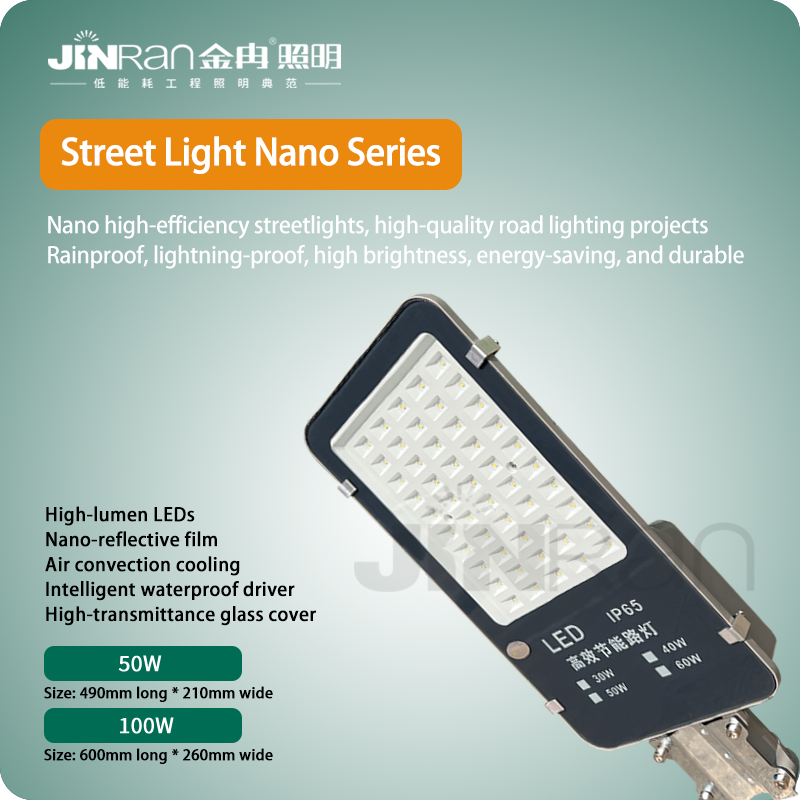
Why Your City Needs to Upgrade to Nano Street Lights Now
In an era where urban infrastructure is continuously evolving, cities face the pressing challenge of enhancing public safety, reducing energy consumption, and improving aesthetic appeal. One groundbreaking solution that addresses these issues is the introduction of nano street lights. This article delves into the compelling reasons why your city should consider upgrading to nano street lighting now.
The Future of Urban Lighting: What Are Nano Street Lights?
Nano street lights represent a significant leap forward in street lighting technology, incorporating advanced features that improve both functionality and efficiency. Unlike traditional street lights, nano street lights utilize **LED technology** combined with smart sensors and IoT connectivity to provide a more adaptive lighting solution.
Key Features of Nano Street Lights
1. **Energy Efficiency**: Nano street lights consume significantly less energy compared to conventional lighting. Utilizing LED technology, they can reduce energy consumption by up to 80%.
2. **Smart Connectivity**: These lights often come equipped with smart sensors that adjust brightness based on real-time conditions, ensuring that energy is not wasted when not needed.
3. **Longevity**: With a lifespan of over 50,000 hours, nano street lights require less frequent replacements, reducing maintenance costs and waste.
4. **Environmentally Friendly**: The reduction in energy consumption translates to lower greenhouse gas emissions, contributing positively to environmental sustainability.
5. **Enhanced Safety Features**: By integrating cameras and sensors, nano street lights can enhance public safety by providing real-time surveillance and data collection.
Benefits of Upgrading to Nano Street Lights
Transitioning to nano street lights offers a myriad of benefits that go beyond mere energy savings. Here’s a closer look at how this change can positively impact your city.
1. Improved Public Safety
Public safety is a primary concern for any urban area. Nano street lights enhance visibility in public spaces, deterring crime and providing a sense of security for residents. Additionally, the integration of surveillance cameras can help law enforcement monitor high-risk areas more effectively.
2. Significant Cost Savings
While the initial investment in nano street lights may be higher than traditional options, the long-term savings are substantial. Reduced energy costs, lower maintenance expenses, and fewer replacements contribute to a positive return on investment. Cities can allocate these savings to other crucial community services.
3. Enhanced Aesthetics and Urban Design
Nano street lights come in various designs and can be integrated into the overall aesthetic of urban spaces. Their modern appearance can improve the visual appeal of streetscapes, parks, and public areas, encouraging community engagement and foot traffic.
4. Environmental Impact
The shift to energy-efficient lighting is a step towards a more sustainable future. By reducing energy consumption, cities can decrease their carbon footprint, align with global sustainability goals, and contribute to a healthier environment for future generations.
5. Real-Time Data and Management
With smart sensors embedded in nano street lights, cities can collect valuable data on traffic patterns, foot traffic, and environmental conditions. This information can be leveraged to make informed decisions regarding urban planning and resource allocation.
Challenges of Traditional Street Lighting
Before discussing the transition to nano street lights, it’s essential to understand the shortcomings of traditional street lighting systems.
1. High Energy Consumption
Traditional street lights are often inefficient, consuming large amounts of energy and resulting in high utility bills for cities.
2. Frequent Maintenance and Replacement Costs
The average lifespan of conventional street lights is significantly shorter than that of nano street lights. This leads to increased maintenance costs, as cities must frequently replace burned-out bulbs and repair aging infrastructure.
3. Limited Functionality
Traditional street lights lack the adaptive capabilities of modern lighting solutions. They operate at a fixed brightness level, wasting energy during low-traffic periods.
Implementing Nano Street Lights: Steps for Your City
Transitioning to nano street lights is a strategic process that involves careful planning and execution. Here’s a step-by-step guide for cities considering this upgrade.
Step 1: Conduct a Needs Assessment
Identify the areas of your city that would benefit most from upgraded lighting. Consider factors such as crime rates, traffic congestion, and existing infrastructure.
Step 2: Develop a Comprehensive Plan
Create a detailed plan that outlines the scope of the project, budget considerations, and timelines. Involve stakeholders such as city planners, law enforcement, and community members to gather input.
Step 3: Secure Funding
Explore funding options, including federal grants, state programs, and public-private partnerships. Highlight the long-term savings and environmental benefits to attract potential investors.
Step 4: Pilot Implementation
Before a full-scale rollout, consider implementing a pilot program in a select area. This will allow you to evaluate the effectiveness of nano street lights and make necessary adjustments.
Step 5: Full-Scale Implementation
Once the pilot program has proven successful, move forward with the full-scale installation of nano street lights across the city.
Case Studies: Cities Leading the Way with Nano Street Lights
Several cities globally have already made the switch to nano street lights, reaping the benefits of this advanced technology.
1. Los Angeles, California
Los Angeles has embarked on a successful initiative to replace traditional street lights with energy-efficient LED lights. The city has reported a significant reduction in energy costs and enhanced safety due to improved visibility.
2. Barcelona, Spain
Barcelona’s initiative to incorporate smart lighting solutions, including nano street lights, has transformed its public spaces. The city utilizes real-time data to adapt lighting according to pedestrian traffic, significantly improving safety and energy efficiency.
3. Singapore
Singapore has implemented smart street lighting solutions that utilize nano technology. The integration of sensors and IoT connectivity has allowed the city to monitor traffic patterns and manage energy consumption effectively.
Future Trends in Street Lighting Technology
As cities continue to evolve, the future of street lighting will likely include even more advanced technologies. Some trends to watch include:
1. Solar-Powered Lighting
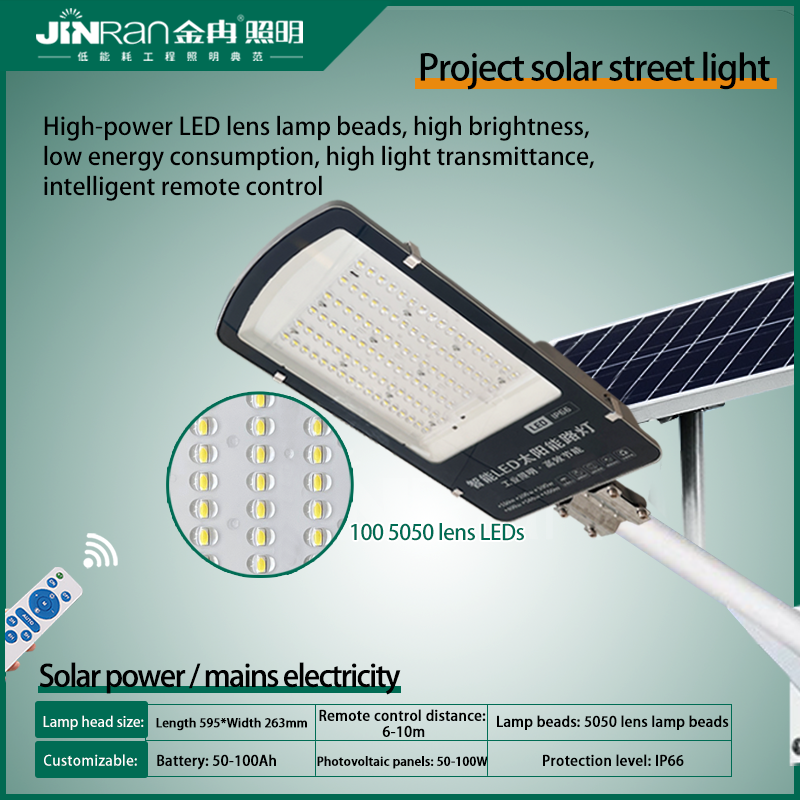
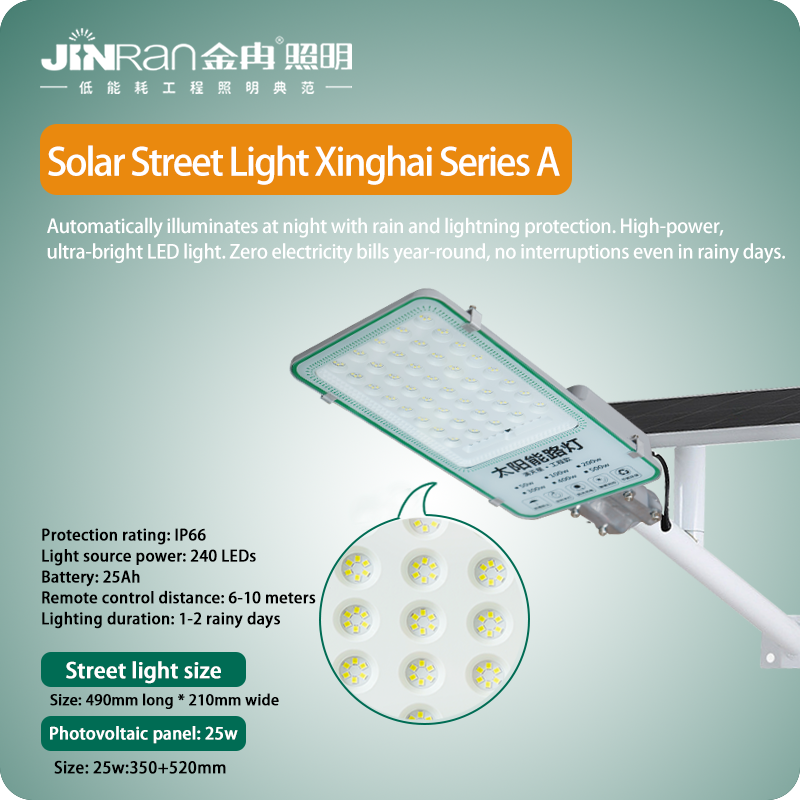
The integration of solar panels with nano street lights can further enhance energy efficiency and sustainability, enabling cities to harness renewable energy sources.
2. Smart City Integration
Nano street lights will be pivotal in the development of smart cities, working in tandem with other smart technologies to create a more connected urban environment.
3. Enhanced User Experience
Future innovations may include customizable lighting options for pedestrians, allowing users to control the brightness and color of street lights based on personal preferences or safety needs.
FAQs About Nano Street Lights
1. What are the main advantages of nano street lights compared to traditional lights?
**Nano street lights are more energy-efficient, have a longer lifespan, offer smart connectivity, and contribute to public safety.**
2. How much can cities save by switching to nano street lights?
**Cities can save up to 80% on energy costs and significantly reduce maintenance expenses over time.**
3. Are nano street lights environmentally friendly?
**Yes, the reduced energy consumption leads to lower greenhouse gas emissions, making them a sustainable choice for urban lighting.**
4. How does the smart technology in nano street lights work?
**Smart sensors in nano street lights adjust brightness based on real-time conditions, providing optimal lighting while conserving energy.**
5. What steps should a city take to implement nano street lights?
**Cities should conduct a needs assessment, develop a comprehensive plan, secure funding, implement a pilot program, and then proceed with full-scale installation.**
Conclusion
Upgrading to nano street lights is not just a technological advancement; it's a necessary step towards building safer, more efficient, and sustainable urban environments. As cities face growing challenges related to energy consumption and public safety, the integration of nano street lights offers a multifaceted solution that benefits both residents and local governments. By investing in smart, energy-efficient lighting solutions, cities can enhance their infrastructure, reduce costs, and ultimately create a brighter future for their communities. As urban areas continue to evolve, the time to embrace this change is now.


Contact Jinran
Phone:+86-13793941613
E-Mail:jinranzhaoming@gmail.com
Address:Linyi Hardware City, Jiuqu Street, Hedong District, Linyi City, Shandong Province
Get a Quote