

Unveiling the Future of Illumination: The Nano Street Light Revolution
Release time:
Nov 16,2025
In recent years, the advent of innovative lighting technologies has brought significant advancements to urban environments. One of the standout innovations in this domain is the Nano street light, a cutting-edge solution that promises to redefine public lighting systems. This article delves into the essential features and benefits of Nano street lights, shedding light on how they can enhance urban
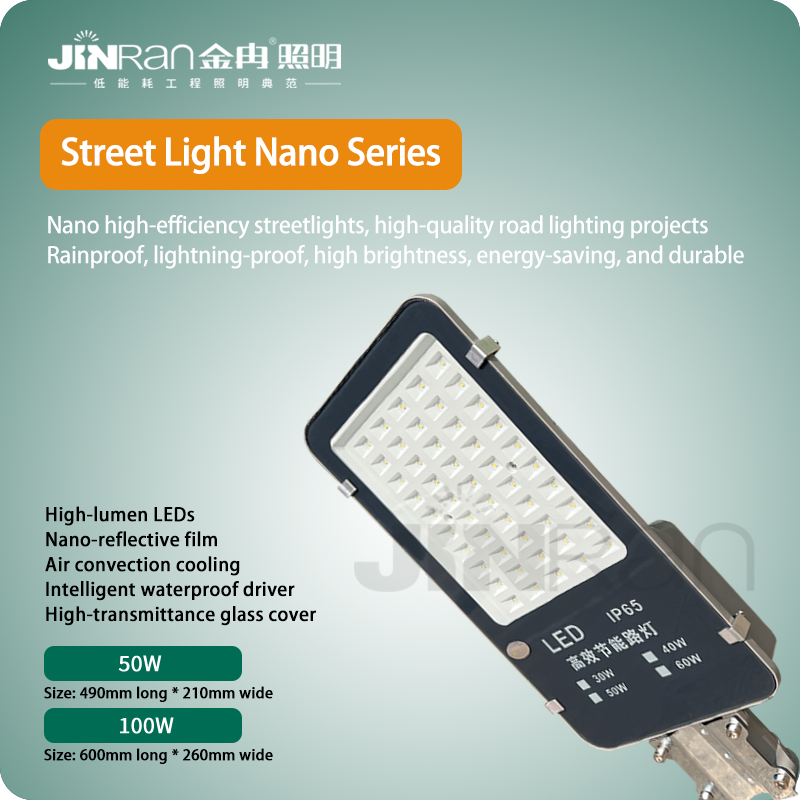
In recent years, the advent of innovative lighting technologies has brought significant advancements to urban environments. One of the standout innovations in this domain is the Nano street light, a cutting-edge solution that promises to redefine public lighting systems. This article delves into the essential features and benefits of Nano street lights, shedding light on how they can enhance urban design and functionality.
Nano street lights are engineered using nanotechnology, which involves manipulating materials at the molecular level. This unique approach allows for the creation of compact and efficient lighting solutions that consume considerably less energy than traditional street lights. By leveraging advanced LED technology, these lights provide bright illumination while minimizing electricity usage—an essential factor for city planners aiming for more sustainable infrastructure.
One of the primary benefits of Nano street lights is their remarkable energy efficiency. These lights use significantly less power, contributing to reduced carbon footprints and lower energy costs for municipalities. In a world increasingly focused on sustainability, the adoption of energy-efficient lighting solutions like Nano street lights can play a crucial role in achieving environmental goals.
Moreover, the compact size of Nano street lights allows for greater flexibility in design and placement. Urban planners can install them in a variety of settings, from narrow streets to parks, without compromising on aesthetics or illumination quality. Their sleek design also ensures that they blend seamlessly into the urban landscape, enhancing the overall visual appeal of public spaces.
Additionally, Nano street lights often come equipped with smart technology, enabling features such as adaptive lighting and remote monitoring. This means they can adjust their brightness based on real-time conditions, such as pedestrian activity or vehicular traffic. Such capabilities not only enhance safety but also contribute to energy savings by ensuring lights are only at full brightness when necessary.
Another noteworthy aspect of Nano street lights is their longevity. With a lifespan that far exceeds traditional lighting solutions, these lights require less frequent replacement and maintenance. This translates into lower long-term costs for cities and reduces waste, aligning with modern sustainability initiatives.
In conclusion, Nano street lights represent a significant leap forward in urban lighting technology. Their energy efficiency, adaptability, and aesthetic flexibility make them an appealing option for cities striving to improve their infrastructure while prioritizing sustainability. As urbanization continues to rise, embracing innovations like Nano street lights will be pivotal in creating smarter, more efficient, and sustainable urban environments.
Nano street lights are engineered using nanotechnology, which involves manipulating materials at the molecular level. This unique approach allows for the creation of compact and efficient lighting solutions that consume considerably less energy than traditional street lights. By leveraging advanced LED technology, these lights provide bright illumination while minimizing electricity usage—an essential factor for city planners aiming for more sustainable infrastructure.
One of the primary benefits of Nano street lights is their remarkable energy efficiency. These lights use significantly less power, contributing to reduced carbon footprints and lower energy costs for municipalities. In a world increasingly focused on sustainability, the adoption of energy-efficient lighting solutions like Nano street lights can play a crucial role in achieving environmental goals.
Moreover, the compact size of Nano street lights allows for greater flexibility in design and placement. Urban planners can install them in a variety of settings, from narrow streets to parks, without compromising on aesthetics or illumination quality. Their sleek design also ensures that they blend seamlessly into the urban landscape, enhancing the overall visual appeal of public spaces.
Additionally, Nano street lights often come equipped with smart technology, enabling features such as adaptive lighting and remote monitoring. This means they can adjust their brightness based on real-time conditions, such as pedestrian activity or vehicular traffic. Such capabilities not only enhance safety but also contribute to energy savings by ensuring lights are only at full brightness when necessary.
Another noteworthy aspect of Nano street lights is their longevity. With a lifespan that far exceeds traditional lighting solutions, these lights require less frequent replacement and maintenance. This translates into lower long-term costs for cities and reduces waste, aligning with modern sustainability initiatives.
In conclusion, Nano street lights represent a significant leap forward in urban lighting technology. Their energy efficiency, adaptability, and aesthetic flexibility make them an appealing option for cities striving to improve their infrastructure while prioritizing sustainability. As urbanization continues to rise, embracing innovations like Nano street lights will be pivotal in creating smarter, more efficient, and sustainable urban environments.


Contact Jinran
Phone:+86-13793941613
E-Mail:jinranzhaoming@gmail.com
Address:Linyi Hardware City, Jiuqu Street, Hedong District, Linyi City, Shandong Province
Get a Quote