

How Project Solar Street Lights Enhance Community Safety: Illuminating Pathways to Security
Release time:
Nov 15,2025
How Project Solar Street Lights Enhance Community Safety Introduction to Solar Street Lighting The advent of solar street lights marks a significant turning point in urban design and community safety. In recent years, cities around the world have embraced the integration of **solar technology** into public lighting systems as a way to enhance safety while promoting sustainability. These solar-powe
How Project Solar Street Lights Enhance Community Safety
Introduction to Solar Street Lighting
The advent of solar street lights marks a significant turning point in urban design and community safety. In recent years, cities around the world have embraced the integration of **solar technology** into public lighting systems as a way to enhance safety while promoting sustainability. These solar-powered lights serve not only as a source of illumination but also as a deterrent to crime, thereby improving the overall quality of life within communities.
The Role of Lighting in Community Safety
Lighting plays a crucial role in community safety. Well-lit areas can prevent criminal activities and enhance the feeling of security among residents. In contrast, dark and poorly lit streets often become hotspots for crime. Research consistently shows that increased visibility can lead to a significant decrease in incidents such as vandalism and theft. Solar street lights, with their **intelligent design** and energy-efficient technology, are particularly effective in transforming dark spaces into safe environments.
Understanding Solar Street Light Technology
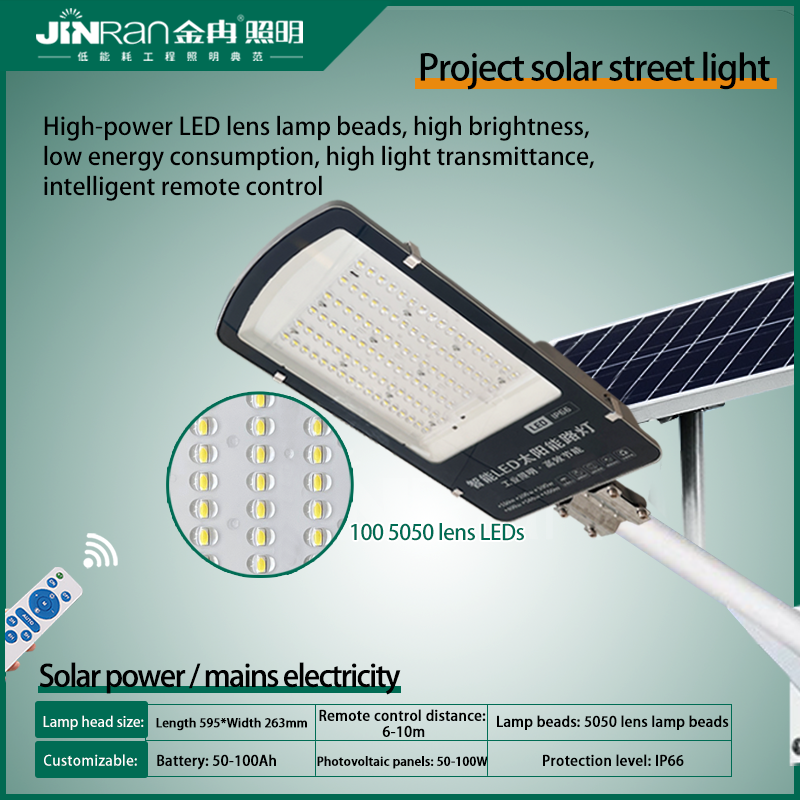
Solar street lights operate independently from the power grid, relying on solar panels to absorb sunlight during the day and convert it into energy. This energy is stored in batteries and used to power the lights at night. The technology behind solar street lights has evolved dramatically, resulting in improved performance and efficiency.
Key Components of Solar Street Lights
1. **Solar Panels**: These capture sunlight and convert it into electrical energy.
2. **LED Lights**: Energy-efficient light-emitting diodes (LEDs) provide bright illumination while consuming minimal power.
3. **Batteries**: Store the harvested energy, ensuring lights operate even during cloudy days and at night.
4. **Control Systems**: Advanced sensors can adjust light intensity based on surrounding conditions, maximizing efficiency.
Benefits of Solar Street Lights for Community Safety
The installation of solar street lights brings a multitude of benefits that extend beyond mere illumination:
1. Enhanced Visibility and Safety
Solar street lights provide consistent lighting to dark areas, enhancing visibility for pedestrians and drivers alike. This proactive measure can significantly reduce accidents and promote safer travel routes.
2. Crime Reduction
Numerous studies indicate that well-lit neighborhoods experience lower crime rates. Criminal activities tend to decline in areas where potential offenders know they are visible. By enhancing visibility, solar street lights act as a natural deterrent to crime.
3. Cost-Effectiveness
Though the initial investment in solar street lights may be higher than traditional lighting, the long-term savings on electricity bills and maintenance costs make them a cost-effective solution for communities. Moreover, as technology advances, the price of solar systems continues to decrease.
4. Environmental Impact
Solar street lights contribute to a greener planet by reducing reliance on fossil fuels. They harness renewable energy, leading to decreased carbon emissions and promoting sustainable development.
5. Community Empowerment
The installation of solar street lights often involves local stakeholders, fostering a sense of community ownership and responsibility. Engaging residents in the planning and maintenance of these systems enhances their connection to the neighborhood.
Case Studies: Successful Implementation of Solar Street Lights
Several cities have successfully implemented solar street lighting projects, showcasing their positive impacts on community safety.
City A: A Model for Urban Safety
In City A, a pilot project installed solar street lights in high-crime areas. Within six months, local law enforcement reported a **30% drop in crime rates**. Residents praised the newfound sense of security, which encouraged more community engagement and outdoor activities.
City B: Enhancing Rural Accessibility
City B introduced solar street lighting in rural areas where traditional lighting was economically unfeasible. The lights improved night-time visibility for pedestrians and cyclists, leading to a significant increase in road safety and transportation accessibility.
The Future of Solar Street Lighting
As technology continues to advance, the future of solar street lighting looks promising. Innovations in smart technology, such as IoT integration, will allow for real-time monitoring and data collection, enhancing the efficiency and efficacy of these systems.
How Smart Technology is Revolutionizing Solar Street Lights
Smart solar street lights equipped with sensors can provide invaluable data, such as pedestrian traffic patterns and environmental conditions. This information can be used to optimize lighting schedules, further improving energy efficiency and safety.
Benefits of Intelligent solar Lighting Systems
- **Adaptive Lighting**: Automatically adjusts brightness based on real-time data.
- **Remote Monitoring**: Allows city officials to monitor performance and maintenance needs without needing physical inspections.
- **Enhanced Security Features**: Integration with surveillance systems can lead to improved public safety outcomes.
Challenges in Implementing Solar Street Lights
While the benefits are significant, challenges exist in the widespread adoption of solar street lights.
Initial Costs and Funding
The upfront costs of solar street lights can deter municipalities from proceeding with installations. However, various funding options, including grants and partnerships, can alleviate financial burdens.
Maintenance and Durability Concerns
Regular maintenance is crucial for the longevity of solar street lights. Communities must establish plans for upkeep, including cleaning panels and replacing batteries as needed.
Frequently Asked Questions
1. How do solar street lights work?
Solar street lights function by capturing sunlight through solar panels, converting it into energy, and storing it in batteries for nighttime use.
2. Are solar street lights effective in reducing crime?
Yes, numerous studies indicate that well-lit areas have lower crime rates due to increased visibility.
3. What are the maintenance requirements for solar street lights?
Regular maintenance includes cleaning solar panels, inspecting batteries, and ensuring that the lights function correctly.
4. Can solar street lights be installed in remote areas?
Absolutely! Solar street lights are particularly beneficial in remote areas where traditional electrical infrastructure is lacking.
5. What advancements are being made in solar street light technology?
Innovations include smart technology integration, allowing for adaptive lighting, remote monitoring, and enhanced security features.
Conclusion
The integration of solar street lights into community infrastructure offers a multitude of benefits that extend far beyond mere illumination. By enhancing safety, reducing crime, and promoting environmental sustainability, these innovative lighting solutions have the power to transform neighborhoods and empower residents. As cities continue to adopt solar technology, they pave the way for brighter, safer, and more connected communities, ultimately illuminating pathways to a better future. The future of community safety shines bright with solar street lights leading the way.



Contact Jinran
Phone:+86-13793941613
E-Mail:jinranzhaoming@gmail.com
Address:Linyi Hardware City, Jiuqu Street, Hedong District, Linyi City, Shandong Province
Get a Quote