

Creating Safer Streets: The Importance of Nano Street Lighting
Release time:
Nov 11,2025
Creating Safer Streets: The Importance of Nano Street Lighting The Evolution of Street Lighting Technology In the past, street lighting played a vital role in urban safety, illuminating roads and pathways. However, traditional lighting methods, such as incandescent and fluorescent bulbs, have significant limitations in energy efficiency, lifespan, and environmental impact. With the advent of moder
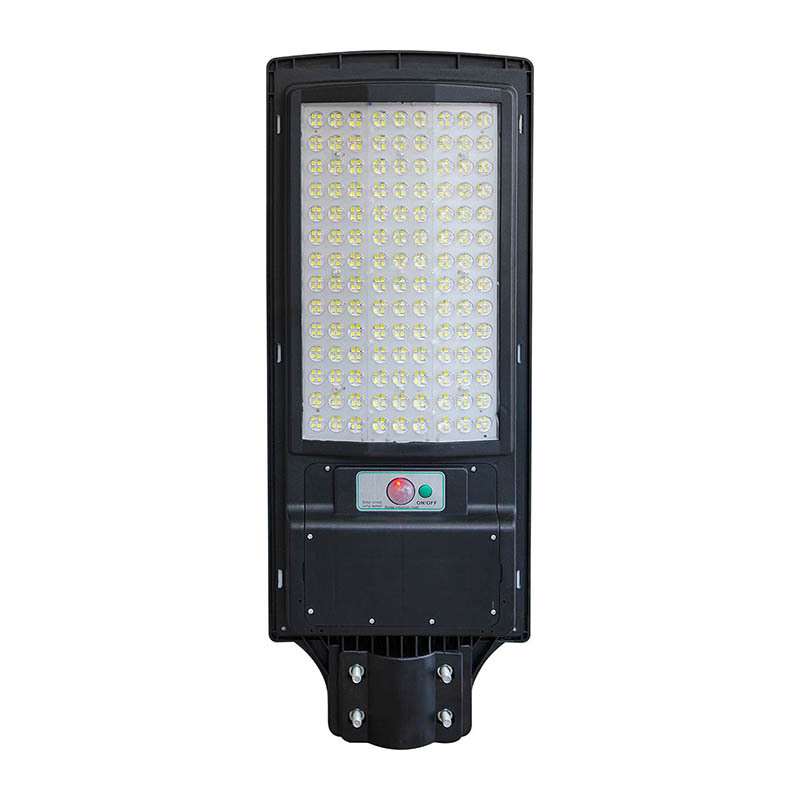
Creating Safer Streets: The Importance of Nano Street Lighting
The Evolution of Street Lighting Technology
In the past, street lighting played a vital role in urban safety, illuminating roads and pathways. However, traditional lighting methods, such as incandescent and fluorescent bulbs, have significant limitations in energy efficiency, lifespan, and environmental impact. With the advent of modern technology, we now have the opportunity to revolutionize street lighting through **nano street lighting**.
What is Nano Street Lighting?
Nano street lighting refers to the use of advanced nanotechnology in the design and production of street lighting systems. This innovative approach incorporates **nanomaterials** and smart technology to create lighting solutions that are not only energy-efficient but also environmentally friendly. By leveraging the unique properties of nanomaterials, manufacturers can produce fixtures that are more durable, consume less energy, and provide better illumination.
Key Characteristics of Nano Street Lighting
1. **Energy Efficiency**: Nano street lighting utilizes LEDs that consume significantly lower power compared to traditional bulbs, resulting in reduced energy costs and lower carbon emissions.
2. **Longevity**: These lighting solutions often boast a lifespan of up to 25 years, minimizing the need for frequent replacements and maintenance.
3. **Smart Technology Integration**: With the integration of sensors and IoT (Internet of Things) capabilities, nano street lighting can adapt based on environmental conditions, enhancing energy savings and improving safety.
4. **Eco-Friendly Materials**: The use of nanomaterials in the construction of these lights reduces harmful waste and promotes sustainability.
The Importance of Safer Streets
Safer streets contribute to the overall well-being of a community. The relationship between adequate street lighting and public safety is well-established. Poorly lit areas often become hotspots for crime, including theft and assault. By implementing nano street lighting, cities can significantly improve safety and foster a sense of community.
Reducing Crime Rates with Improved Illumination
Illuminated streets deter criminal activity. Studies have shown that enhancing street lighting in high-crime areas leads to a noticeable decline in crime rates. Nano street lighting, with its superior brightness and adaptability, can effectively illuminate dark spots, making potential criminal activities less appealing.
Case Studies: Success Stories from Around the Globe
Cities implementing nano street lighting have reported positive outcomes. For instance, a pilot project in San Diego demonstrated a **30% reduction in nighttime crime** after upgrading to smart LED street lights. Similar results have emerged from cities across Europe and Asia, reinforcing the importance of modern lighting solutions in urban planning.
Environmental Benefits of Nano Street Lighting
Beyond crime reduction, nano street lighting contributes to a greener planet. The technology's energy efficiency translates to lower greenhouse gas emissions, making it a critical player in combating climate change.
Lowering Carbon Footprint
Traditional street lights consume vast amounts of energy, contributing to high carbon emissions. In contrast, nano lighting systems consume up to **80% less energy**, significantly reducing a city's carbon footprint. This transition to greener technology is essential for sustainable urban development.
Reducing Light Pollution
Another environmental concern is light pollution, which disrupts ecosystems and human circadian rhythms. Nano street lighting allows for precise control over light direction and intensity, minimizing light spill and reducing its impact on wildlife and human health.
The Economic Advantages of Nano Street Lighting
Investing in nano street lighting systems can yield significant economic benefits for cities and municipalities.
Cost Savings on Energy and Maintenance
The long lifespan and energy efficiency of nano street lights lead to substantial savings on utility bills and maintenance costs. Cities can allocate these savings toward other essential services, improving the overall quality of life for residents.
Encouraging Local Business Growth
Well-lit streets create a more inviting atmosphere for pedestrians and potential customers. As a result, local businesses benefit from increased foot traffic, contributing to economic growth. Enhanced street lighting can transform neighborhoods, making them attractive destinations for dining, shopping, and entertainment.
Implementation Challenges and Solutions
While the benefits of nano street lighting are undeniable, several challenges must be addressed during its implementation.
Initial Investment Costs
The upfront cost of transitioning to nano street lighting can be a barrier for many municipalities. However, various funding options are available, including government grants and public-private partnerships.
Urban Design Considerations
Integrating new lighting systems into existing urban landscapes requires careful planning. Collaborating with urban designers and architects ensures that nano street lighting complements the city's aesthetic while maximizing safety and functionality.
Future Trends in Nano Street Lighting
As technology continues to evolve, the future of nano street lighting looks promising. Emerging trends include:
Integration with Smart City Initiatives
As cities move toward becoming "smart," the integration of nano street lighting with other technologies will enhance urban management. For example, connected street lights can communicate with traffic management systems, improving traffic flow and reducing congestion.
Adaptive Lighting Solutions
Future nano street lighting may utilize AI algorithms to adapt to changing environmental conditions, such as adjusting brightness based on pedestrian traffic or weather conditions. This adaptability will further enhance energy conservation and public safety.
FAQs About Nano Street Lighting
1. What are nano street lights made of?
Nano street lights are typically constructed using advanced nanomaterials, primarily LEDs, that enhance energy efficiency and durability.
2. How do nano street lights contribute to public safety?
Nano street lights improve visibility in urban areas, deterring criminal activity and enhancing safety for pedestrians and cyclists.
3. Are nano street lights more expensive than traditional lighting options?
While the initial investment may be higher, nano street lights offer long-term savings on energy and maintenance costs, making them cost-effective over time.
4. Can nano street lighting reduce light pollution?
Yes, nano street lighting allows for precise control over light direction and intensity, significantly reducing light pollution.
5. What is the expected lifespan of nano street lights?
Nano street lights typically have a lifespan of up to 25 years, far surpassing traditional lighting options.
Conclusion
The transition to nano street lighting represents a crucial step in creating safer, more sustainable urban environments. By combining energy efficiency, crime reduction, and environmental benefits, this innovative technology has the potential to transform our streets into safer spaces for everyone. As cities continue to embrace these advancements, we can look forward to a brighter and safer future.


Contact Jinran
Phone:+86-13793941613
E-Mail:jinranzhaoming@gmail.com
Address:Linyi Hardware City, Jiuqu Street, Hedong District, Linyi City, Shandong Province
Get a Quote