

The Science of Light: Understanding How Nano Street Lights Work
Release time:
Nov 01,2025
The Science of Light: Understanding How Nano Street Lights Work In recent years, the evolution of street lighting technology has taken a massive leap forward with the introduction of nano street lights. These innovative lighting solutions are not just a mere trend; they represent a fundamental shift in how we approach urban illumination. In this comprehensive guide, we will delve into the intricat
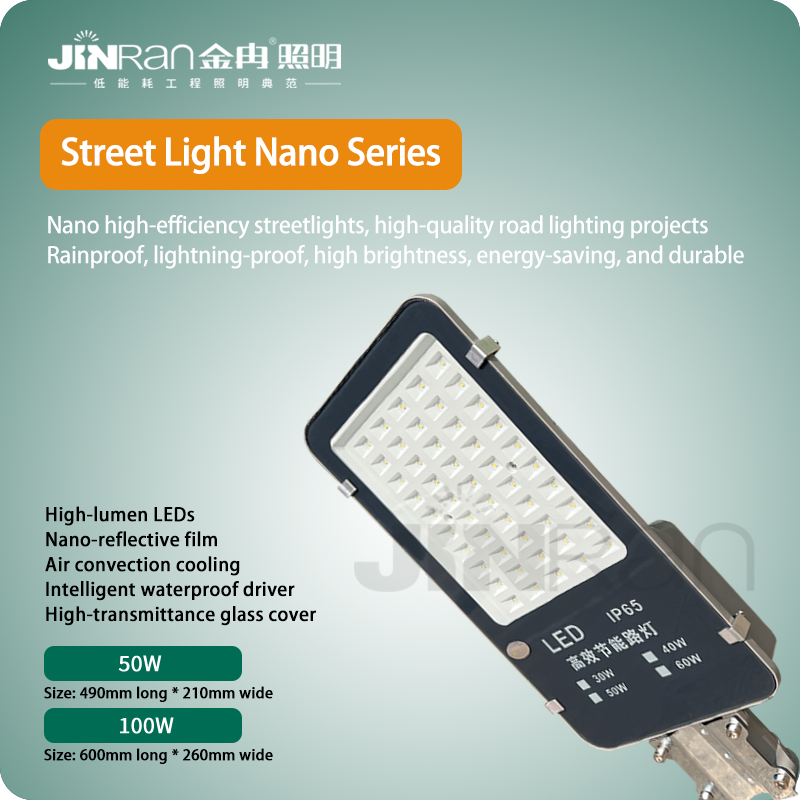
The Science of Light: Understanding How Nano Street Lights Work
In recent years, the evolution of street lighting technology has taken a massive leap forward with the introduction of nano street lights. These innovative lighting solutions are not just a mere trend; they represent a fundamental shift in how we approach urban illumination. In this comprehensive guide, we will delve into the intricate workings of nano street lights, explore their benefits, and understand the science that makes them a superior choice for modern cities.
Table of Contents
- Introduction to Nano Street Lights
- What Are Nano Street Lights?
- How Do Nano Street Lights Work?
- Benefits of Nano Street Lights
- Applications of Nano Street Lights
- The Future of Nano Street Lights
- Conclusion
- FAQs
Introduction to Nano Street Lights
The quest for efficient and sustainable street lighting has led to the development of nano street lights. These cutting-edge solutions leverage advancements in nanotechnology to enhance the performance and efficiency of street lighting systems. With the global push towards sustainability and energy conservation, understanding the workings of nano street lights is crucial for urban planners, policymakers, and the general public.
What Are Nano Street Lights?
Nano street lights are advanced lighting fixtures that utilize nanomaterials to improve illumination quality and energy efficiency. These lights often employ LED technology combined with nanotechnology to optimize their performance. They are designed to provide superior brightness while consuming significantly less energy than traditional street lights. The unique properties of nanoscale materials enable enhanced light emission, greater durability, and reduced heat generation.
The Role of Nanotechnology in Street Lighting
Nanotechnology plays a pivotal role in enhancing the efficiency and effectiveness of street lighting systems. By manipulating materials at the nanoscale, engineers can create light-emitting diodes (LEDs) that offer better light output and color rendering. The use of nanoparticles in the manufacturing of these LEDs results in a more efficient light generation process, ensuring that fewer resources are consumed while maximizing lumen output.
How Do Nano Street Lights Work?
The operation of nano street lights is rooted in both basic physics and advanced technology. At the heart of these lights is the LED technology, which is enhanced by nanotechnology. Understanding the components and processes involved can help us appreciate their efficiency.
Components of Nano Street Lights
- Light Emitting Diodes (LEDs): The primary source of illumination, LEDs are known for their low-energy consumption and long lifespan.
- Nanomaterials: Used in conjunction with LEDs to improve light output and reduce energy consumption, nanomaterials play a critical role in the light-emitting process.
- Power Management Systems: These systems regulate the energy supplied to the LEDs, maximizing efficiency and extending the life of the fixtures.
The Light Generation Process
The process begins with the application of electrical energy to the LED chips. This energy excites the electrons in the semiconductor material, resulting in the emission of photons—the basic units of light. When nanomaterials are incorporated, they enhance the light emission process by improving the efficiency at which photons are generated. This leads to brighter and more focused illumination with reduced energy input.
Benefits of Nano Street Lights
Nano street lights offer a multitude of benefits that make them an attractive option for urban lighting solutions. Below, we explore the key advantages they provide.
Energy Efficiency
One of the most significant benefits of nano street lights is their energy efficiency. With advancements in LED technology and nanomaterials, these lights consume significantly less energy than traditional street lights. This reduction in energy consumption translates to lower electricity bills for municipalities and a decreased carbon footprint for cities.
Environmental Impact
In addition to energy efficiency, nano street lights are designed with sustainability in mind. Their reduced energy consumption contributes to a lower environmental impact. Furthermore, many nano street light systems are equipped with smart technologies that allow for adaptive brightness, ensuring that light levels correspond to actual needs, thus conserving even more energy.
Longevity and Maintenance
Another commendable feature of nano street lights is their longevity. The use of high-quality materials and advanced technology results in lighting fixtures that can last significantly longer than traditional sodium or halogen lamps. With lifespans exceeding 50,000 hours, municipalities can expect reduced maintenance costs and fewer disruptions due to light replacements.
Applications of Nano Street Lights
The versatility of nano street lights allows them to be used in various applications beyond mere street lighting. Their adaptability makes them suitable for parks, residential areas, parking lots, and even commercial spaces.
Smart City Integration
As cities evolve into smart cities, the integration of nano street lights with IoT (Internet of Things) technologies becomes increasingly important. These lights can be equipped with sensors that monitor traffic flow, detect motion, and adjust brightness levels accordingly. This not only enhances safety but also optimizes energy use.
Public Safety and Security
With enhanced brightness and the ability to adapt to environmental conditions, nano street lights play a critical role in public safety. Improved visibility reduces the likelihood of accidents and deters criminal activities. Enhanced lighting in public spaces encourages community engagement and makes these areas more inviting.
The Future of Nano Street Lights
The future looks promising for nano street lights as technology continues to advance. Innovations in nanomaterials and smart technologies will lead to even greater efficiency and functionality. As cities increasingly seek sustainable solutions, the adoption of nano street lights will likely become more widespread.
The Role of Research and Development
Investment in research and development will be crucial in optimizing nano street light technology. Innovative materials and design improvements will pave the way for even more efficient systems. Ongoing studies aim to unlock new functionalities, such as color-tuning capabilities and enhanced solar integration, making them even more versatile.
Conclusion
Nano street lights represent a revolution in urban lighting technology, combining energy efficiency, sustainability, and advanced functionality. By leveraging the principles of nanotechnology, these lights not only illuminate our streets but also contribute to the overall safety, efficiency, and aesthetic appeal of our cities. As we continue to embrace technological advancements, the future of lighting is brighter than ever, and nano street lights will undoubtedly play a pivotal role in shaping this future.
FAQs
1. What are the main advantages of using nano street lights over traditional street lights?
Nano street lights are more energy-efficient, have longer lifespans, and reduce maintenance costs compared to traditional street lights.
2. How do nano street lights contribute to sustainability?
By consuming less energy and utilizing durable materials, nano street lights help reduce the overall environmental impact of urban lighting.
3. Can nano street lights be integrated into smart city technologies?
Yes, nano street lights can be equipped with IoT sensors for adaptive lighting and monitoring, making them ideal for smart city applications.
4. What types of environments are suitable for nano street lighting?
The versatility of nano street lights makes them suitable for various environments, including streets, parks, parking lots, and commercial areas.
5. What is the expected lifespan of nano street lights?
Many nano street lights can last over 50,000 hours, significantly reducing the frequency of replacements and maintenance.


Contact Jinran
Phone:+86-13793941613
E-Mail:jinranzhaoming@gmail.com
Address:Linyi Hardware City, Jiuqu Street, Hedong District, Linyi City, Shandong Province
Get a Quote