

Illuminating the Future: Understanding Solar Street Lights in Modern Urban Design
Release time:
Oct 31,2025
Solar street lights are gaining traction as an eco-friendly solution for urban lighting. These lighting systems harness the power of the sun through photovoltaic panels, converting sunlight into electricity to illuminate streets and public areas. With the rise of renewable energy technology, solar street lights represent a significant advancement in urban infrastructure, offering a range of benefi
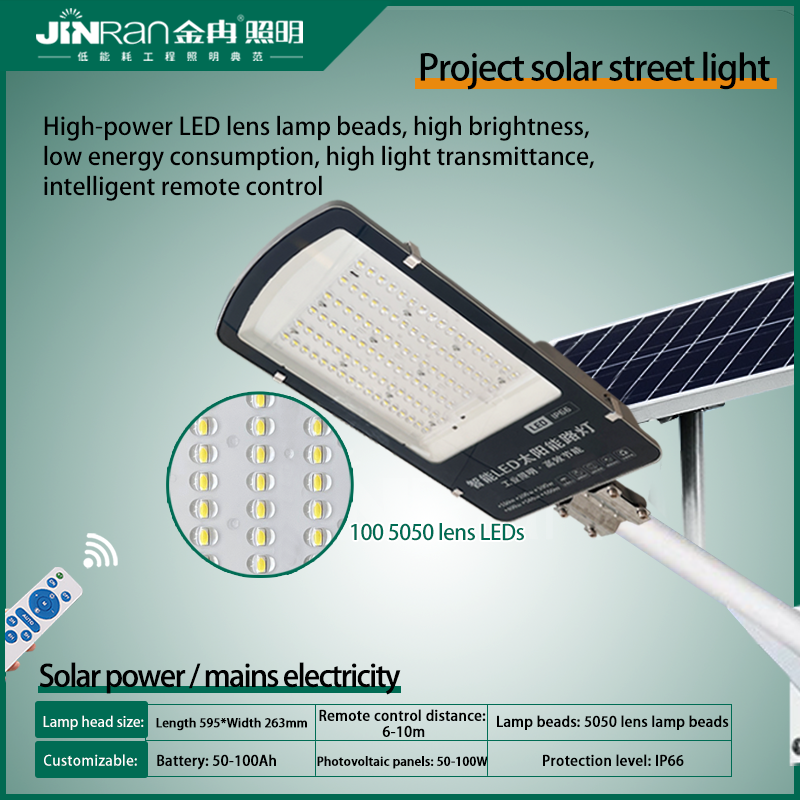
Solar street lights are gaining traction as an eco-friendly solution for urban lighting. These lighting systems harness the power of the sun through photovoltaic panels, converting sunlight into electricity to illuminate streets and public areas. With the rise of renewable energy technology, solar street lights represent a significant advancement in urban infrastructure, offering a range of benefits that make them an attractive option for cities worldwide.
One of the primary advantages of solar street lights is their sustainability. Unlike traditional street lights that rely on fossil fuels or grid electricity, solar-powered lights contribute to reducing carbon footprints. They operate independently of the electrical grid, which not only alleviates pressure on energy resources but also decreases the overall energy bills associated with public lighting.
Another appealing feature of solar street lights is their low maintenance requirements. These systems typically come equipped with energy-efficient LED lamps, which have a longer lifespan compared to conventional bulbs. The modular design of solar lights allows for easy replacement of components, ensuring they remain functional without extensive upkeep. Furthermore, many solar lights are equipped with sensors that automatically adjust brightness levels based on ambient light conditions, providing optimal illumination during the night while conserving energy during the day.
Installation is another area where solar street lights shine. They are often easier and quicker to install than traditional street lighting systems. Since they do not require extensive wiring or connections to the electrical grid, installation can be completed in a matter of hours or days, depending on the number of units being deployed. This rapid setup means that urban areas can quickly enhance their lighting infrastructure, especially in locations where conventional lighting may be infeasible due to cost or logistical challenges.
Moreover, solar street lights promote safety and security within communities. Improved lighting can deter crime and enhance visibility for pedestrians and cyclists, encouraging greater use of public spaces during evening hours. By illuminating dark areas, solar street lights contribute to a sense of safety and well-being for residents and visitors alike.
As cities continue to evolve and adapt to the challenges posed by climate change, the role of solar street lights in urban design is likely to expand. They embody a forward-thinking approach to infrastructure that prioritizes sustainability and efficiency. In conclusion, understanding the functionality and advantages of project solar street lights helps illuminate not only our streets but also the path toward a greener future. By integrating these innovative solutions, urban planners and communities can create welcoming, safe, and environmentally friendly spaces for all.
One of the primary advantages of solar street lights is their sustainability. Unlike traditional street lights that rely on fossil fuels or grid electricity, solar-powered lights contribute to reducing carbon footprints. They operate independently of the electrical grid, which not only alleviates pressure on energy resources but also decreases the overall energy bills associated with public lighting.
Another appealing feature of solar street lights is their low maintenance requirements. These systems typically come equipped with energy-efficient LED lamps, which have a longer lifespan compared to conventional bulbs. The modular design of solar lights allows for easy replacement of components, ensuring they remain functional without extensive upkeep. Furthermore, many solar lights are equipped with sensors that automatically adjust brightness levels based on ambient light conditions, providing optimal illumination during the night while conserving energy during the day.
Installation is another area where solar street lights shine. They are often easier and quicker to install than traditional street lighting systems. Since they do not require extensive wiring or connections to the electrical grid, installation can be completed in a matter of hours or days, depending on the number of units being deployed. This rapid setup means that urban areas can quickly enhance their lighting infrastructure, especially in locations where conventional lighting may be infeasible due to cost or logistical challenges.
Moreover, solar street lights promote safety and security within communities. Improved lighting can deter crime and enhance visibility for pedestrians and cyclists, encouraging greater use of public spaces during evening hours. By illuminating dark areas, solar street lights contribute to a sense of safety and well-being for residents and visitors alike.
As cities continue to evolve and adapt to the challenges posed by climate change, the role of solar street lights in urban design is likely to expand. They embody a forward-thinking approach to infrastructure that prioritizes sustainability and efficiency. In conclusion, understanding the functionality and advantages of project solar street lights helps illuminate not only our streets but also the path toward a greener future. By integrating these innovative solutions, urban planners and communities can create welcoming, safe, and environmentally friendly spaces for all.



Contact Jinran
Phone:+86-13793941613
E-Mail:jinranzhaoming@gmail.com
Address:Linyi Hardware City, Jiuqu Street, Hedong District, Linyi City, Shandong Province
Get a Quote