

Harnessing Solar Energy: The Future of Nano Street Lights
Release time:
Dec 29,2025
Harnessing Solar Energy: The Future of Nano Street Lights Table of Contents 1. Introduction to Solar-Powered Nano Street Lights 2. What Are Nano Street Lights? 3. Benefits of Solar Energy in Street Lighting 4. Energy Efficiency and Sustainability 5. Technological Advancements in Nano Street Lights 6. Case Studies: Successful Implementations of Nano Street Lights 7. Challenges an
Harnessing Solar Energy: The Future of Nano Street Lights
Table of Contents
- 1. Introduction to Solar-Powered Nano Street Lights
- 2. What Are Nano Street Lights?
- 3. Benefits of Solar Energy in Street Lighting
- 4. Energy Efficiency and Sustainability
- 5. Technological Advancements in Nano Street Lights
- 6. Case Studies: Successful Implementations of Nano Street Lights
- 7. Challenges and Solutions in Adopting Nano Street Lights
- 8. The Future of Nano Street Lights and Urban Development
- 9. Frequently Asked Questions
- 10. Conclusion
1. Introduction to Solar-Powered Nano Street Lights
As cities continue to evolve, the need for innovative solutions to address urban lighting challenges has become paramount. **Nano street lights**, powered by **solar energy**, represent a groundbreaking approach to street lighting that enhances sustainability while reducing energy costs. These compact, efficient lighting solutions are designed to illuminate urban environments without relying on conventional power sources.
By harnessing solar power, nano street lights not only save energy but also contribute to environmental sustainability. With growing concerns about climate change and urban pollution, the adoption of solar energy technologies is critical. This article delves into the intricacies of nano street lights, exploring their benefits, technological advancements, and their role in shaping the future of urban infrastructure.
2. What Are Nano Street Lights?
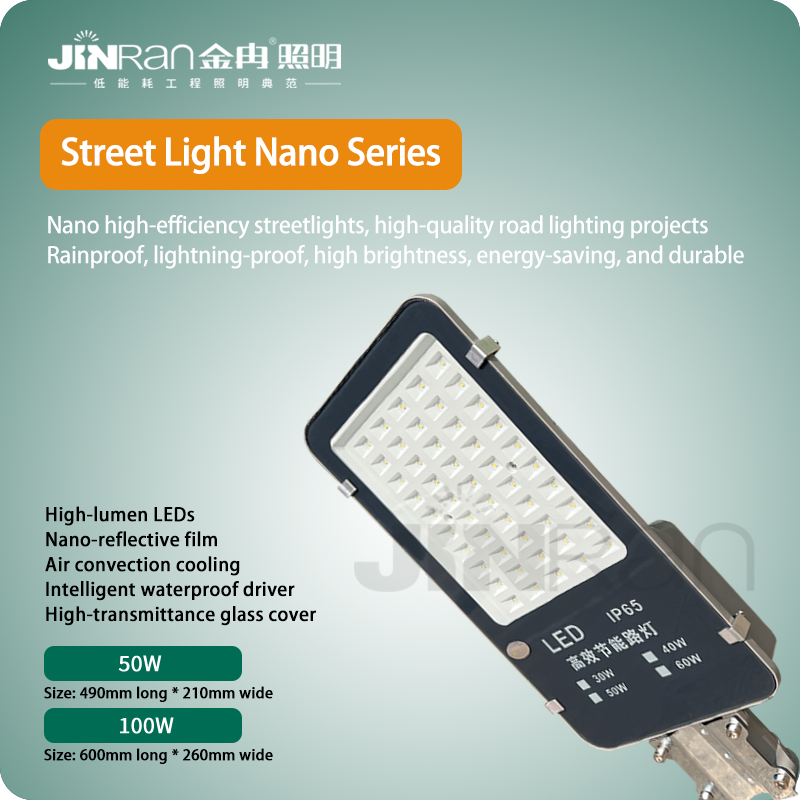
Nano street lights are compact, energy-efficient lighting solutions designed to provide illumination in public spaces. Unlike conventional street lights, which are typically large and bulky, nano street lights feature sleek designs that can easily blend into modern urban environments.
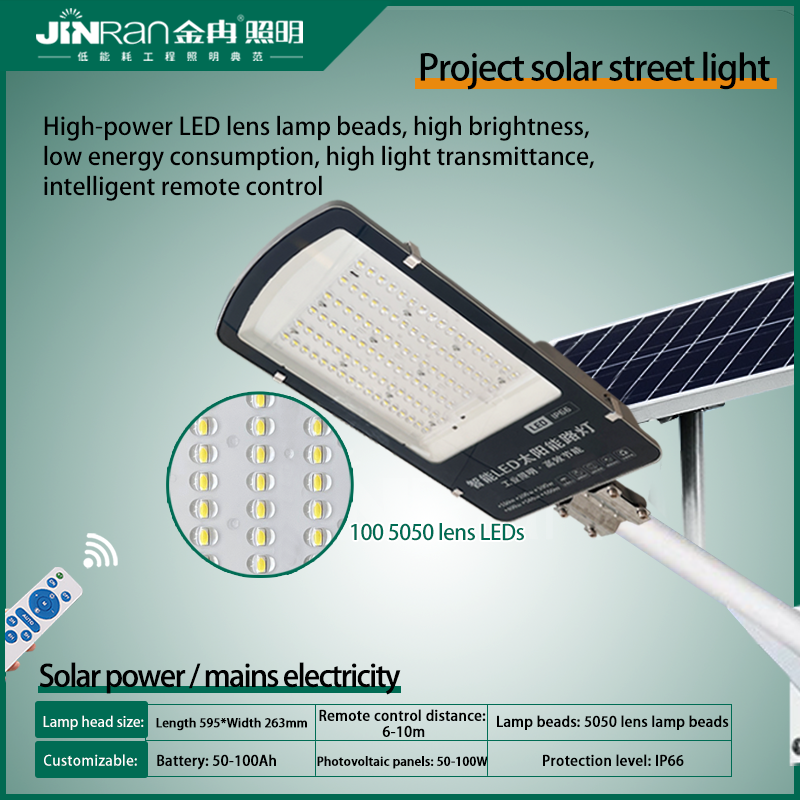
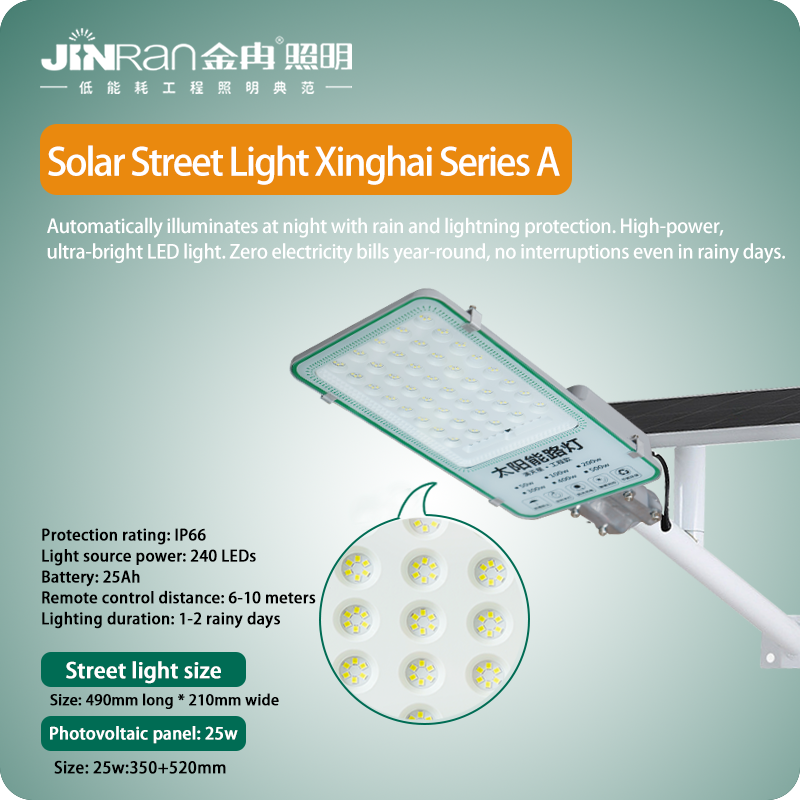
These lights utilize **LED technology**, which significantly reduces power consumption while delivering high-quality illumination. The integration of solar panels allows nano street lights to generate their electricity, making them independent of the grid. This feature is particularly advantageous in areas where traditional power supply is unreliable or non-existent.
2.1 Key Features of Nano Street Lights
- **Solar-Powered**: Equipped with solar panels that convert sunlight into electricity, allowing for independent operation.
- **Energy Efficient**: Uses LED bulbs, which consume significantly less energy compared to traditional street lighting.
- **Smart Technology**: Many models include smart sensors to adjust brightness based on ambient light conditions, further optimizing energy usage.
- **Sustainable Design**: Constructed from eco-friendly materials, making them a sustainable choice for urban lighting.
3. Benefits of Solar Energy in Street Lighting
The shift towards solar-powered street lighting presents numerous benefits for cities and communities. Embracing solar energy not only enhances efficiency but also aligns with global sustainability goals.
3.1 Environmental Advantages
By utilizing solar energy, cities can significantly reduce their carbon footprint. This transition to renewable energy helps combat climate change and promotes environmental conservation. **Solar street lights** generate clean energy and minimize the reliance on fossil fuels, contributing to a healthier planet.
3.2 Economic Benefits
The initial investment in solar-powered nano street lights can be offset by long-term savings on energy costs. With the declining prices of solar technology and LED lighting, municipalities can expect a return on investment over time. Additionally, reduced maintenance costs further enhance the economic feasibility of these systems.
3.3 Enhanced Public Safety
Well-lit streets contribute to enhanced public safety by improving visibility and deterring crime. Nano street lights, with their efficient lighting capabilities, ensure that urban areas remain safe and welcoming during nighttime hours.
4. Energy Efficiency and Sustainability
Energy efficiency is at the heart of the nano street light revolution. As cities strive to become more sustainable, the adoption of energy-efficient lighting solutions is critical.
4.1 How Solar Energy Enhances Efficiency
Solar-powered nano street lights utilize advanced LED technology that consumes significantly less energy than traditional street lights. Furthermore, they are equipped with smart sensors that adjust brightness based on real-time conditions, ensuring that energy is only used when necessary.
4.2 Contribution to Sustainable Urban Development
The integration of nano street lights into urban planning aligns with sustainable development goals. Their ability to operate independently from the grid makes them particularly useful in remote or underserved areas, promoting equitable access to public lighting.
5. Technological Advancements in Nano Street Lights
Recent advancements in technology have significantly improved the functionality and efficiency of nano street lights. These innovations are paving the way for smarter, more responsive urban lighting solutions.
5.1 Smart Sensors and Controls
Many modern nano street lights come equipped with smart sensors that detect motion and ambient light levels. This capability allows for automatic brightness adjustments, optimizing energy usage and extending the lifespan of the lighting system.
5.2 Integration with IoT
The Internet of Things (IoT) is transforming urban lighting by enabling connectivity between street lights and central management systems. This integration allows for real-time monitoring and management, facilitating proactive maintenance and energy management.
5.3 Solar Panel Efficiency
Advancements in solar panel technology, such as increased efficiency and improved materials, have enhanced the energy generation capabilities of nano street lights. This improvement ensures that even during cloudy days, adequate energy is harvested to power the lights.
6. Case Studies: Successful Implementations of Nano Street Lights
Several cities around the world have successfully implemented nano street lights, showcasing their effectiveness and benefits.
6.1 Case Study: Los Angeles, California
Los Angeles has integrated solar-powered nano street lights in various neighborhoods, significantly reducing energy costs and enhancing public safety. The city reported a 30% decrease in energy consumption compared to traditional street lighting.
6.2 Case Study: Nairobi, Kenya
In Nairobi, the introduction of solar street lights in underserved areas has transformed communities. Residents now enjoy improved safety and accessibility, fostering economic growth and social development.
7. Challenges and Solutions in Adopting Nano Street Lights
Despite the numerous benefits of solar-powered nano street lights, several challenges can hinder their adoption. However, innovative solutions are emerging to address these concerns.
7.1 Initial Costs
The upfront costs of installing solar-powered street lights can be a significant barrier for many municipalities. However, various financing options, including public-private partnerships and government grants, can alleviate this burden.
7.2 Maintenance and Longevity
While nano street lights are designed for durability, regular maintenance is crucial for ensuring their longevity. Establishing maintenance agreements and training local personnel can help streamline this process.
8. The Future of Nano Street Lights and Urban Development
The future of nano street lights looks promising as cities continue to embrace sustainable energy solutions. As technology advances and awareness grows, we anticipate the following trends:
8.1 Increased Adoption in Urban Planning
Municipalities are increasingly integrating nano street lights into urban planning initiatives, recognizing their potential to create eco-friendly, efficient urban environments.
8.2 Expansion of Smart City Concepts
The evolution of smart city concepts will further enhance the capabilities of nano street lights. By leveraging data analytics and connectivity, cities will optimize lighting systems for efficiency and user experience.
9. Frequently Asked Questions
9.1 What are the main benefits of solar-powered nano street lights?
Solar-powered nano street lights offer numerous benefits, including reduced energy costs, enhanced public safety, and environmental sustainability. Their ability to operate independently from the grid makes them ideal for various urban settings.
9.2 How do nano street lights work?
Nano street lights work by harnessing solar energy through integrated solar panels. The panels convert sunlight into electricity, which powers energy-efficient LED bulbs. Smart sensors help optimize lighting conditions based on real-time data.
9.3 Are nano street lights cost-effective?
While the initial investment may be higher than traditional street lights, the long-term savings on energy and maintenance costs make nano street lights a cost-effective solution for municipalities.
9.4 What challenges do municipalities face when implementing nano street lights?
Challenges include initial costs, maintenance requirements, and the need for infrastructure adaptation. However, financing options and innovative solutions can help overcome these barriers.
9.5 What is the future outlook for nano street lights?
The future of nano street lights looks bright as cities increasingly adopt sustainable energy solutions and smart technologies. We expect to see broader implementation and advancements in technology that enhance their functionality and efficiency.
10. Conclusion
Harnessing solar energy through nano street lights presents a transformative opportunity for urban environments. By embracing these innovative solutions, cities can enhance sustainability, reduce energy costs, and improve public safety. As technology continues to advance, the future of nano street lights looks promising, paving the way for smarter, greener urban landscapes. The adoption of solar-powered nano street lights is not just a trend; it is a crucial step toward a more sustainable and efficient future for our cities.


Contact Jinran
Phone:+86-13793941613
E-Mail:jinranzhaoming@gmail.com
Address:Linyi Hardware City, Jiuqu Street, Hedong District, Linyi City, Shandong Province
Get a Quote